Introduction: France’s Early War Problem
August 1914. Germany invades Belgium and pushes toward France. Paris is under threat. The French army has courage, but it is stretched. Around 700,000 active troops stand ready, but the German army is larger and already moving fast. Supplies are limited. Plans are uncertain. Families fear the worst.
France’s leader at that moment was Raymond Poincaré, President of the French Third Republic. Many people today do not know his name. But during World War I, his role mattered.
The problem was clear:
-
Germany had strong early momentum.
-
France needed rapid mobilization.
-
Soldiers faced harsh trench life.
This article explains how Poincaré dealt with those challenges, using real cases like the Battle of the Marne and the Battle of Verdun.
Who Was Raymond Poincaré?
Raymond Poincaré was born in 1860 in Bar-le-Duc, eastern France. He trained as a lawyer and became active in politics early. By 1913, he was elected President of France.
France at that time feared Germany. The memory of the 1870 Franco-Prussian War still hurt. Alsace-Lorraine had been lost. Poincaré believed France must stay strong and ready.
As president, he was not a battlefield commander. That role belonged to generals like Joffre and later Pétain. But Poincaré shaped policy, unity, and diplomacy. He supported alliances, especially with Russia and Britain.
His Rise to Power
Before becoming president, Poincaré served as:
-
Minister of Finance
-
Prime Minister
-
Minister of Foreign Affairs
He was known for discipline and focus. French archives show that he supported a three-year military service law in 1913. This extended conscription and increased army readiness before the war.
That decision mattered. Without it, France would have had even fewer trained soldiers in 1914.
French Army Size in WW1
When war started in August 1914, France had:
-
Around 700,000 active soldiers
-
A total mobilization pool of about 3.5 million in early stages
-
By war’s end, over 8 million French men had been mobilized
That means nearly 20% of the French population served. French National Archives records show that about 1.4 million French soldiers died during the war. Around 4 million were wounded.
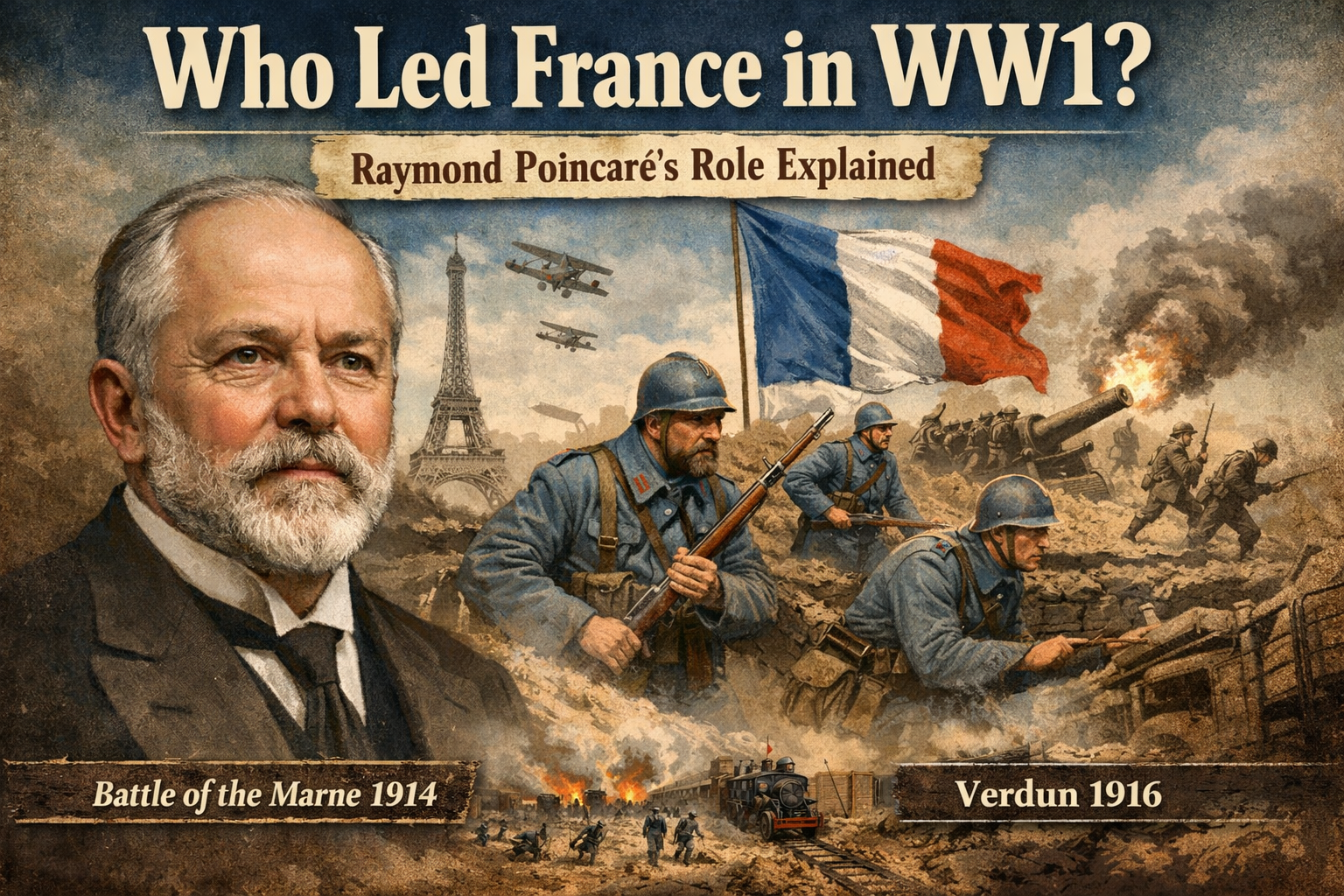
Picture 8 million French guys digging trenches, marching in wool uniforms, and writing letters home. That scale is hard to imagine.
Mobilization under Poincaré and his government involved:
-
Rapid railway troop transport
-
National call-up orders
-
Coordination with Britain
The French rail system moved hundreds of thousands of soldiers toward the German border within weeks. Without organized leadership, that scale of movement could have failed.
Soldier Life on the Front
The average French infantry soldier was called a “Poilu,” meaning “hairy one.” It showed toughness.
Their daily life included:
Uniform:
-
Horizon blue wool uniform (after 1915)
-
Early war red trousers, later replaced for camouflage
-
Adrian steel helmet introduced in 1915
Rations:
-
Bread
-
Soup
-
Meat when available
-
Wine ration, often about 25 cl per day
Living conditions:
-
Mud-filled trenches
-
Rats
-
Cold winters
-
Shellfire
During heavy fighting periods, soldiers stayed in front lines for days without proper rest. Letters and diaries from Verdun describe constant artillery noise and fear.
This is where leadership mattered. Soldiers needed supplies, reinforcements, and morale support. Political stability helped maintain that system.
Pros and Cons of His Leadership
Let’s look at Poincaré in a balanced way.
Pros:
-
Supported pre-war military expansion (three-year service law)
-
Maintained alliance with Britain and Russia
-
Promoted national unity during crisis
-
Supported industrial mobilization for weapons production
Cons:
-
Strong anti-German stance increased tensions before 1914
-
As president, he had limited direct control over military strategy
-
Political disputes in Paris sometimes slowed reforms
Historians debate how much power he truly had. France was a parliamentary republic. The president influenced decisions but did not control generals directly.
Real-World Case Studies
Case Study 1: Battle of the Marne (1914)
In September 1914, German forces advanced close to Paris. Panic spread. The French government even moved temporarily to Bordeaux.
The Battle of the Marne changed everything.
-
Around 2 million troops fought on both sides
-
French and British forces counterattacked
-
German advance was stopped
French railway systems transported troops quickly to reinforce weak sectors. This logistical success came from pre-war planning and government coordination.
If Germany had taken Paris, France might have collapsed early. Instead, the Marne forced Germany into trench warfare.
Poincaré supported national unity at this moment. Political stability prevented internal collapse.
Case Study 2: Verdun (1916)
Verdun became one of the longest battles of WW1.
-
Lasted February to December 1916
-
Around 300,000 total deaths (French and German combined)
-
Over 700,000 casualties
Germany aimed to “bleed France white.” French General Pétain rotated divisions constantly to prevent total exhaustion. About 70% of the French army served at Verdun at some point.
This required huge manpower reserves. By 1916, France had mobilized millions.
Poincaré’s government ensured continued recruitment, weapons production, and Allied support. Without sustained political backing, Verdun might have failed.
French soldiers held the line. Verdun became a symbol of endurance.
Case Study 3: Total Mobilization and Industry
By 1917–1918, France had turned into a war economy.
-
Factories increased artillery production
-
Women entered industrial jobs
-
Colonial troops were deployed
Over 600,000 colonial soldiers from North and West Africa served. This expansion strengthened French numbers when manpower losses were heavy.
The president supported these broader mobilization efforts. While generals fought battles, political leaders kept the system running.
Key Features of Poincaré’s Leadership
Here are some traits that stand out:
-
Focus on preparedness before 1914
-
Strong belief in alliances
-
Steady presence during crisis
-
Support for long-term war endurance
He was not dramatic. He was consistent. During four years of war, France did not collapse politically.
That stability helped sustain 8 million mobilized soldiers.
FAQs
1. Who was France’s leader when WW1 began?
Raymond Poincaré was President of France from 1913 to 1920.
2. How large was the French army in WW1?
Around 8 million men were mobilized between 1914 and 1918.
3. How many French soldiers died?
About 1.4 million French soldiers were killed during the war.
4. Did Poincaré command troops directly?
No. Military commanders like Joffre and Pétain led armies. Poincaré shaped policy and unity.
5. What was the Battle of the Marne?
A 1914 battle that stopped the German advance toward Paris.
6. Why was Verdun important?
It became a symbol of French resistance and endurance in 1916.
7. What did French soldiers eat?
Basic rations included bread, soup, meat when available, and daily wine portions.
Conclusion: The Solution and Legacy
France’s early war problem was survival. Germany attacked fast. Paris was threatened. Supplies were stretched. Soldiers were outnumbered.
Through mobilization, alliances, and steady governance, Raymond Poincaré helped France endure.
The solution was not one single speech or order. It was long-term effort:
-
Expand the army
-
Maintain national unity
-
Support industrial war production
-
Keep alliances strong
Picture this again: 8 million French men in trenches, factories working nonstop, trains moving troops across the country. That system needed coordination.
Poincaré was not the man in the trench. But he helped build the structure behind it.
By 1918, France stood on the winning side. The cost was huge. Millions were dead or wounded. Towns were destroyed. But the state survived.
That survival was part battlefield courage and part political leadership.
And that is why, when asking “Who was France’s leader during WW1?” the answer matters. It was Raymond Poincaré — a steady figure behind one of the largest mobilizations in French history.
