Introduction: World War 1 Uniforms and the Quest for Authentic Pieces
The uniforms worn by soldiers during World War 1 were integral to their survival and success on the battlefield. Yet, these garments were not without their flaws. Early designs struggled to meet the demands of modern warfare, leading to discomfort, inefficiency, and even additional casualties. However, as history marched on, military uniforms became symbols of strength, honor, and sacrifice.
If you're a history enthusiast or a collector, you're probably aware that World War 1 uniforms have become highly sought after in the marketplace. The allure of owning a piece of history has led to a growing interest in WW1 uniforms for sale, especially on platforms like eBay and at specialized auctions. Whether you're looking for a British officer’s tunic or American doughboy gear, this blog will dive deep into the history, struggles, and modern-day collecting of these iconic uniforms.
The Problem: What Made WW1 Uniforms Tough
Early War Struggles
When World War 1 broke out, soldiers were faced with new forms of combat that tested their gear and uniforms in ways never before imagined. The traditional uniforms of the time were designed for different kinds of warfare and could not keep up with the technological advancements of the early 20th century.
For example, the British Army's early 1914 uniform was made of wool serge and was not well-suited for the trench warfare that would dominate much of the conflict. The heavy woolen tunics and trousers were too hot for summer and provided little protection against the harsh conditions soldiers faced in the trenches, including mud, lice, and dampness. The uniforms also lacked adequate pockets for the increasing number of supplies soldiers needed.
The early uniform issues were compounded by the sheer scale of the war. The demand for military uniforms far outstripped production capacity, leading to a rush job in manufacturing. As a result, many soldiers were forced to wear poorly fitting or hastily made uniforms, which only added to the misery.
Agitating the Issues: Real Soldier Stories and Facts
Case Study: Somme Battle Uniform Failures
One of the most glaring examples of the inadequacy of WW1 uniforms was seen during the Battle of the Somme in 1916. British soldiers suffered greatly from the discomfort of their woolen uniforms, which became soaked with water in the trenches, leading to hypothermia and other health issues.
A report from the battle describes how many soldiers were forced to walk through waist-deep water while wearing heavy wool tunics and boots that quickly became waterlogged. The weight of the soaked uniforms was not only exhausting but also contributed to trench foot, a painful and debilitating condition caused by prolonged exposure to wet and cold conditions.
Moreover, soldiers often complained about the lack of proper headgear. The standard steel helmet wasn’t issued until later in the war, leaving soldiers vulnerable to shrapnel injuries and head wounds. Many soldiers were initially issued soft cloth caps, which provided little protection from the enemy's artillery.
This combination of poor-quality clothing and inadequate protection caused real, lasting damage to the morale and well-being of soldiers during key battles like the Somme.
The Solution: Key Features of Iconic WW1 Uniforms
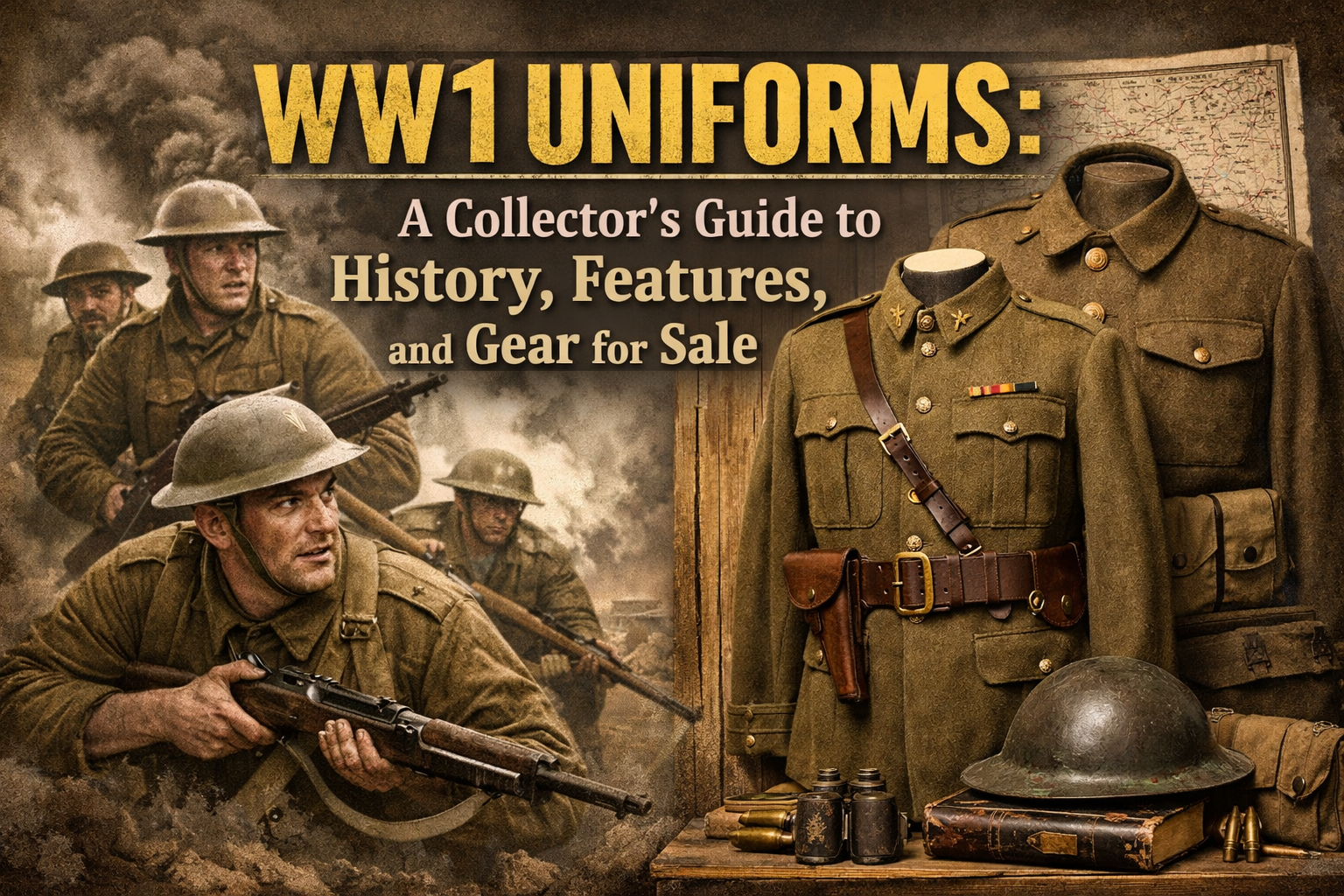
While the early years of World War 1 saw soldiers struggling with poorly designed uniforms, by 1916, there was a concerted effort to improve the quality and functionality of military gear. The British Army, for example, began issuing more practical and durable uniforms made from lighter fabrics. The iconic "British officer’s tunic" became a recognizable feature of the war effort.
British Officer Tunic Breakdown
The British officer’s tunic, for example, was made from 2.5 yards of khaki wool serge. This tunic was designed to be durable but still relatively lightweight, allowing soldiers more mobility. The tunic featured four pockets, which were crucial for carrying the growing number of supplies that soldiers needed, including ammunition, food, and maps.
The tunic’s color, a drab khaki, was chosen to provide camouflage, making it harder for soldiers to be seen by the enemy in the trenches. Over time, this tunic became a symbol of military service and is one of the most sought-after items for collectors today.
American Doughboy Gear Specs
On the American side, the "Doughboy" uniform became the hallmark of U.S. soldiers. The tunic was made of olive drab wool, with a simpler design than the British officer's tunic but still offering ample pockets. The uniform featured a distinctive "Doughboy" hat, known as the M1917 helmet, which was later replaced with the more protective M1 steel helmet.
While the American uniforms were practical, they still faced issues with poor fit and inadequate protection early in the war. However, by the time the U.S. entered the war in 1917, they had improved the fit of their gear, which ultimately helped the soldiers perform better in battle.
Pros & Cons of Collecting WW1 Uniforms Today
Real-World Examples: WW1 Uniforms for Sale
Collecting WW1 uniforms has become a popular hobby for many history buffs, and the market for these items is thriving. Platforms like eBay, Lovells, and specialized military auctions regularly feature authentic WW1 uniforms for sale. Prices can vary widely depending on the condition, rarity, and historical significance of the uniform.
For example, a 1916 British officer’s tunic in good condition recently sold for $450 on eBay, complete with detailed photographs of the garment and a provenance certificate confirming its authenticity. Similarly, a complete American Doughboy uniform, including the helmet and tunic, fetched $1,200 at a Lovells auction in 2024.
However, collecting WW1 uniforms also comes with its challenges. The market is flooded with reproductions, which can make it difficult for novice collectors to differentiate between authentic and fake items. Always ensure that any uniform you purchase comes with proper documentation, such as a provenance certificate, to verify its authenticity.
FAQs
1. How can I tell if a WW1 uniform is authentic?
Look for specific markings on the inside of the tunic, such as manufacturer labels or size tags, which were commonly sewn into uniforms during the war. Additionally, consider purchasing from reputable dealers or auction houses that provide certification of authenticity.
2. Where can I buy WW1 uniforms for sale?
WW1 uniforms can be found on platforms like eBay, at military memorabilia auctions, and from specialized dealers who focus on vintage military items.
3. What is the price range for WW1 uniforms today?
The price of a WW1 uniform can vary greatly depending on its condition, rarity, and historical importance. British officer tunics, for example, can range from $300 to $1,000, while complete sets of American Doughboy gear may go for upwards of $1,500.
4. How do I maintain and care for a WW1 uniform?
Store your uniform in a cool, dry place away from direct sunlight to prevent fabric degradation. Avoid cleaning the uniform unless absolutely necessary, as washing can damage delicate fabrics.
5. What makes WW1 uniforms so valuable?
WW1 uniforms are valuable because they represent a crucial period in world history. As collectors, many people are drawn to the emotional and historical significance of owning a piece of military history.
Conclusion
World War 1 uniforms are not just relics of the past; they are symbols of the soldiers who fought bravely during one of history's most devastating conflicts. While the uniforms were not without their issues, they played a pivotal role in the success of military operations and are now valuable pieces of history.
Whether you’re looking to add a British officer’s tunic or an American Doughboy uniform to your collection, WW1 uniforms for sale offer a unique opportunity to connect with the past. By understanding the history, features, and market trends, you can confidently navigate the world of military collectibles and own a piece of history that tells a powerful story.
If you're ready to start your collection or add to it, don’t miss out on the next WW1 uniform auction. Check out the listings on eBay and specialized auction sites today!
