THE BRITISH ARMY COMBAT UNIFORM: FEATURES, ACCESSORIES, AND PRACTICAL DESIGN
Introduction
When you think of British soldiers, images of disciplined, well-groomed troops come to mind. Whether they’re seen marching in a ceremonial parade or in the field, their uniforms have always been a symbol of pride, history, and tradition. But British military uniforms are not just about looking sharp; they’ve also evolved with practical needs, changes in warfare, and advancements in technology.
In this post, we’ll explore the British soldier uniform, focusing on two important elements: the British Army Combat Uniform and British Army Uniform Accessories. We’ll dive into the design, history, and real-world application of these uniforms, highlighting how they have adapted over time to meet the challenges faced by soldiers.
Evolution of the British Soldier Uniform
The British soldier uniform has undergone significant changes over the centuries. While the fundamental goal of military attire—to maintain discipline and signify rank—has remained the same, the design and materials have evolved dramatically.
Early History: The Redcoats
The story of the British soldier uniform begins with the iconic redcoats of the 17th and 18th centuries. During the early years of the British Army, soldiers were dressed in woolen coats dyed red, which were easy to mass-produce and offered a striking visual presence. These uniforms were worn during the Napoleonic Wars and the colonial period, and the bold red color served both practical and symbolic purposes. On the battlefield, the red coats made soldiers highly visible—often a benefit in hand-to-hand combat, but less so in terms of camouflage.
Over time, red coats became less practical as the nature of warfare evolved. In the 19th century, British forces began to move towards more practical uniforms like khaki, designed for better camouflage and suited to more mobile, stealth-focused tactics during the colonial campaigns.
20th Century: The Transition to Practicality
The early 20th century saw further shifts in the British Army uniform, particularly during World War I and World War II. The introduction of the Battledress in 1938 marked a significant departure from the elaborate and ceremonial uniforms of earlier centuries. The Battledress was made from wool, and its more practical design, featuring pockets and a utilitarian style, allowed soldiers to carry gear more effectively. This uniform marked the start of a trend toward more functional military attire.
In the post-war era, uniforms continued to adapt, with the introduction of new fabrics and designs that prioritized comfort, protection, and utility, including the Combat Soldier 95 (CS95) in the 1990s, which became widely known for its digital camouflage pattern.
Features of the British Army Combat Uniform
The British Army Combat Uniform (ACU) has evolved to meet the changing needs of modern warfare, and its design reflects advances in technology and materials. Today’s uniforms are highly specialized, providing soldiers with protection, mobility, and adaptability in various combat situations.
1. Camouflage Patterns
Modern British Army uniforms are often made from Multi-Terrain Pattern (MTP) camouflage. This design helps soldiers blend into different environments, from woodland to desert landscapes. The MTP is a more advanced camouflage pattern, integrating multiple colors and shapes to confuse the enemy. It replaced the earlier Disruptive Pattern Material (DPM), which was effective but had become less versatile.
2. Fabric and Comfort
The modern combat uniform is made from lightweight, breathable fabrics designed to keep soldiers comfortable under varying weather conditions. Polyester and cotton blends are commonly used in the ACU, offering both durability and breathability. For colder conditions, soldiers can layer their uniforms with additional thermal gear, while for warmer climates, moisture-wicking materials help reduce the risk of heat exhaustion.
3. Protective Elements
The British Army combat uniform integrates protective features, such as ballistic vests and body armor, designed to protect soldiers from shrapnel, bullets, and other battlefield hazards. These layers, which are worn over the standard combat dress, ensure soldiers are well-protected while maintaining mobility.
4. Modular Design
The modern combat uniform is built with a modular approach. This means soldiers can easily add or remove various accessories, such as pouches and hydration packs, to fit the needs of the mission. Modular design allows for greater flexibility, whether the soldier is on a training exercise or an active combat operation.
5. Tactical Boots and Footwear
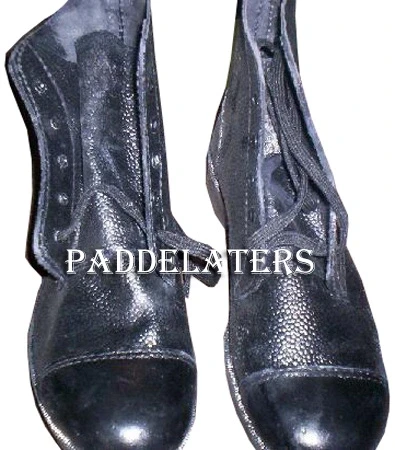
Footwear in the modern British soldier uniform is highly specialized. Combat boots are designed to be durable, supportive, and comfortable for long hours on difficult terrain. They offer ankle support to reduce injury and often come equipped with reinforced soles for traction in challenging conditions.
Key Accessories Used by British Soldiers
British Army soldiers don’t just rely on their uniforms to get the job done; a wide variety of accessories play a key role in supporting them during combat and other military operations.
1. Webbing and Load-Bearing Equipment (LBE)
One of the most important accessories is the webbing, a system of pouches, straps, and carriers used to hold essential equipment such as ammunition, water, and medical supplies. The British Army has long used this type of load-bearing equipment to ensure soldiers can carry everything they need while keeping their hands free. Webbing has evolved over the years, with modern designs being lighter and more efficient.
2. Backpacks and Hydration Systems
Carrying heavy gear is inevitable in the military, but modern backpacks, especially those with integrated hydration systems, have made it easier. Soldiers can carry essential supplies like food, ammunition, and water for extended periods without the weight of traditional military packs slowing them down. These backpacks are designed to be ergonomic, balancing the load across the body for comfort during long marches or extended operations.
3. Helmets and Headgear
Protecting the head is crucial for soldiers, and the British Army uses a variety of helmets depending on the nature of the mission. The most recognizable helmet is the Mk 7 helmet, which offers ballistic protection and features a lightweight design. Helmets are often equipped with a range of accessories, such as visors or camouflage covers, depending on the operational requirements.
4. Gloves and Protective Gear
In addition to standard clothing, British soldiers are equipped with gloves, knee pads, and elbow pads. These accessories offer protection during combat and provide comfort when soldiers are in difficult positions for extended periods. For example, tactical gloves help protect soldiers' hands during rough tasks while maintaining dexterity for handling weapons or equipment.
Pros and Cons of Modern vs. Traditional Uniforms
While the British Army’s modern combat uniforms are a far cry from the redcoats of the 18th century, they both share a common goal: to provide soldiers with the best tools for the job. Let’s explore the pros and cons of modern vs. traditional uniforms.
Pros of Modern Uniforms
- Functionality: Modern uniforms are designed with the soldier’s needs in mind, offering flexibility, comfort, and protection. Camouflage patterns, lightweight materials, and modular designs allow soldiers to adapt to different environments and situations.
- Protection: Modern uniforms integrate advanced technologies like body armor and ballistic protection, which offer enhanced safety compared to older uniforms.
- Adaptability: With modular accessories like webbing, hydration systems, and backpacks, soldiers can customize their loadouts according to mission requirements.
Cons of Modern Uniforms
- Cost: Modern combat uniforms, with all their advanced features, are often expensive to produce and maintain.
- Complexity: The sheer number of accessories and pieces can make the uniform difficult to manage for soldiers who are less familiar with the system.
Pros of Traditional Uniforms
- Symbolism: Traditional uniforms, such as the redcoat, symbolize the British Army’s long history and legacy. They are easily recognizable and evoke national pride.
- Uniformity: Traditional uniforms were simple and easy to manage, with fewer accessories to worry about.
Cons of Traditional Uniforms
- Practicality: While they looked impressive, traditional uniforms, especially redcoats, were often impractical for modern warfare, offering little protection or utility in combat.
- Visibility: The bright red coats were easy targets on the battlefield, especially in colonial and world wars.
FAQs About British Army Uniforms
Q: Why did the British Army stop using redcoats?
A: Redcoats were phased out in the late 19th century due to their lack of camouflage, making soldiers vulnerable on the battlefield. Khaki uniforms provided better concealment.
Q: What is the Multi-Terrain Pattern (MTP)?
A: MTP is the British Army’s current camouflage pattern, designed to blend in various terrains, from woodland to desert. It replaced the older DPM (Disruptive Pattern Material).
Q: Are British soldiers still required to wear ceremonial uniforms?
A: Yes, ceremonial uniforms are still worn for state occasions and parades, such as the Changing of the Guard.
Conclusion
The British soldier uniform has come a long way from the redcoats of the 17th century. Today’s British Army combat uniforms are the product of centuries of evolution, designed to keep soldiers safe, comfortable, and effective in various environments. While modern uniforms are more functional and protective than their traditional counterparts, both reflect the pride and heritage of the British military. From tactical gear to ceremonial attire, the uniform continues to symbolize the strength, discipline, and legacy of British soldiers.
REQUISITION RELATED GEAR
EXPLORE MORE FIELD REPORTS
Browse all published guides and history articles.
