WW1 GERMAN UNIFORMS: A COMPREHENSIVE GUIDE FOR HISTORY ENTHUSIASTS AND COLLECTORS
Introduction: The Fascinating World of WW1 German Uniforms
Did you know that over 10 million soldiers from various nations were killed or wounded during World War I? The uniforms worn by these soldiers were not just mere clothing – they were an essential part of military identity, morale, and tactical advantage. The WW1 German uniform, in particular, has been the subject of fascination for historians, collectors, and reenactors. But what exactly made these uniforms so unique and significant during one of the deadliest conflicts in history?
In this guide, we’ll explore the history, design, and legacy of the WW1 German uniform, provide insights into acquiring authentic replicas, and highlight common mistakes collectors make. Whether you're a seasoned collector, a history buff, or just someone intrigued by military gear, this article will give you everything you need to know.
The History Behind the WW1 German Uniform
Design Evolution and Key Features
The German Army uniform in World War I was distinct, designed for both functionality and intimidation. Unlike the more traditional military garb of earlier centuries, the German soldiers’ uniform underwent a significant transformation at the start of the 20th century.
- Pickelhaube Helmet: One of the most iconic elements of the German WW1 uniform was the Pickelhaube helmet, made of metal or leather with a spiked top. Initially introduced in 1842, it became symbolic of the German military and was worn throughout WW1 by most infantrymen.
- Field Grey Tunic: The distinctive field grey color, also known as "feldgrau," helped German soldiers blend into their surroundings and survive in the trenches. This color was first introduced in 1907 and was quickly adopted by the Imperial German Army.
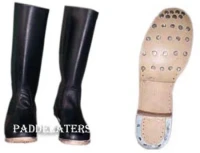
- Breeches and Boots: Soldiers wore breeches and jackboots, which were ideal for marching and combat in the trenches. The boots were knee-high leather, offering protection but also contributing to the soldier’s striking appearance.
- Insignia and Medals: Unlike the WW1 US uniform or First World War British uniform, which had their own set of distinct insignia and medals, the German uniform featured imperial symbols like the Iron Cross and the Prussian Eagle on tunics and helmets, signifying rank and achievements.
The German army's uniform in WW1 not only had functional purposes, such as protection and camouflage, but also contributed to the psychological warfare, intimidating enemies with its sharp, organized appearance.
How to Acquire an Authentic WW1 German Uniform: A Step-by-Step Guide
For collectors and reenactors, acquiring an authentic WW1 German uniform can be a thrilling experience. However, the process requires some expertise to avoid common pitfalls. Here are some actionable steps to guide you:
1. Understand the Different Types of WW1 German Uniforms
The German army during WW1 had several branches, each with slightly different uniforms. Understanding the variations will help you select the right one for your collection:
- Infantry: Known for their field grey tunics and Pickelhaube helmets.
- Artillery: Wore distinctive red piping and had similar field grey tunics.
- Cavalry: Had longer coats and more elaborate insignia.
- Special Units (e.g., Stormtroopers): Featured special gear and often adopted distinctive uniform details.
2. Focus on Authenticity Over Aesthetics
When looking for a WW1 German uniform for sale, always prioritize authenticity over looks. Some sellers may offer replicas with modern fabrics or stitching that closely resemble the original design but lack the historical accuracy that collectors value.
- Material: Authentic uniforms are made from wool and leather, not synthetic fabrics.
- Stitching and Buttons: Examine the stitching closely. The buttonholes, seams, and insignia should be consistent with the period.
- Markings and Labels: Many authentic uniforms will have markings that indicate the manufacturer, the year of production, or the soldier’s unit.
3. Know Where to Buy
You can find WW1 German uniforms through various channels:
- Specialty Military Collectibles Stores: These stores often have both authentic and high-quality reproduction uniforms.
- Antique Dealers: Look for dealers with a good reputation for dealing in wartime artifacts.
- Online Marketplaces: Websites like eBay may have sellers offering vintage or reproduction uniforms, but be cautious and check the seller's reviews.
- Reenactor Groups: Joining a reenactor group can give you access to both second-hand uniforms and trusted sellers.
4. Take Care of Your Uniform
Once you’ve acquired your WW1 German uniform, proper care and maintenance are crucial to preserving its value.
- Storage: Store your uniform in a cool, dry place away from direct sunlight to prevent fading and deterioration.
- Cleaning: Avoid washing it in a machine. Spot cleaning with a damp cloth is usually sufficient.
- Inspection: Periodically check for wear and tear, especially on leather components like the boots or belt.
Common Pitfalls When Collecting WW1 German Uniforms
Pitfall 1: Buying Reproductions Mistakenly
While there’s nothing wrong with owning a reproduction uniform, they can sometimes be misrepresented as authentic items. Be sure to carefully inspect any uniform you're considering to ensure it matches the design and quality of the original.
Pitfall 2: Overpaying for Rare Items
Certain WW1 German uniforms are highly sought after, like the Kaiserliche Marine (Imperial Navy) uniform. However, rarity can sometimes drive prices up unnecessarily. Do your research and compare prices across multiple sources to avoid overpaying.
Pitfall 3: Not Understanding the Uniform's Historical Context
Each uniform has a story to tell. Understanding the historical significance of the uniform you're collecting – such as the role of the Stormtroopers or the use of the Pickelhaube helmet – adds value to the experience and can help you appreciate its role during the war.
Current Trends in WW1 German Uniform Collecting
As interest in World War I history continues to grow, collectors and reenactors have seen a rise in demand for WW1 German uniforms. Here are some trends:
- Reproductions Are Improving: Modern technology has led to more accurate and higher-quality reproductions of the WW1 German uniform, making it easier for collectors to obtain precise historically pieces at a more affordable price.
- Interest in Trench Warfare Gear: With a focus on World War I costumes becoming more popular in films and documentaries, there’s a growing interest in trench warfare gear like gas masks, trench knives, and field kits, which were integral to the German soldier's experience.
- WW1 and WW2 Cross-Collecting: Some collectors are now expanding their focus to include both WW1 German uniforms and World War 2 costumes. The similarities and differences between the two conflicts’ uniforms offer fascinating comparisons for enthusiasts.
Conclusion: Why You Should Start Collecting WW1 German Uniforms Today
The world of WW1 German uniforms offers a unique and enriching journey into military history. Whether you’re a beginner or an experienced collector, understanding the history, acquiring authentic pieces, and avoiding common pitfalls will ensure that your collection remains valuable and meaningful.
For those interested in history and military gear, there’s no better time than now to dive into the world of WW1 German uniforms. With more resources than ever before, collectors can find authentic pieces, understand their significance, and contribute to the preservation of history.
REQUISITION RELATED GEAR
EXPLORE MORE FIELD REPORTS
Browse all published guides and history articles.