UNCOVERING THE HISTORY OF WW1 GERMAN UNIFORM ACCESSORIES: A GUIDE TO THE ICONIC WW1 GERMAN TRENCH COAT AND MORE
Introduction: The Fascinating World of WW1 German Uniform Accessories
Did you know that during World War I, the German Army’s uniform design was so iconic that many of its accessories are still highly sought after by collectors today? The WW1 German trench coat, in particular, is one of the most recognisable items from this era, embodying both military necessity and style. These accessories – from the trench coat to the distinctive German military hat and trousers – have a rich history that is often overlooked but integral to understanding the period.
Suppose you’re a history enthusiast or a collector. In that case, this article will walk you through the most iconic WW1 German uniform accessories, providing insights into their history, usage, and how you can start collecting these pieces. Whether you're interested in the functional aspects of these uniforms or their aesthetic value, you’ll find actionable tips and advice to help you along the way.
Understanding WW1 German Uniform Accessories: Key Pieces
The German Army’s uniform in WW1 was designed to serve practical military needs while also portraying authority and discipline. Here are some of the most important accessories that made up the iconic WW1 German uniform.
1. The WW1 German Trench Coat: A Symbol of Military Durability
Arguably one of the most famous items of the WW1 German uniform, the trench coat was designed to keep soldiers warm, dry, and protected from the harsh conditions of trench warfare. These coats, often referred to as "M1910" or "M1916" in military parlance, were long and made from heavy-duty wool.
Why the Trench Coat Was Essential:
- Protection from Weather: The coat’s long design offered protection against the wind and rain, essential during the long hours soldiers spent in muddy, wet trenches.
- Military Functionality: Its large pockets and double-breasted design made it both practical and stylish.
Tips for Collecting WW1 German Trench Coats:
- Authenticity: Look for original wool fabric, which should be durable but worn in. The internal lining should be made of cotton or linen.
- Inspect the Buttons: Authentic trench coats often have brass or nickel-plated buttons with the imperial German eagle emblem.
- Condition Matters: If you’re collecting for historical accuracy, make sure to consider the coat’s wear. Original pieces often show signs of use but should not be overly damaged.
2. German Army Coat: The Backbone of the Uniform
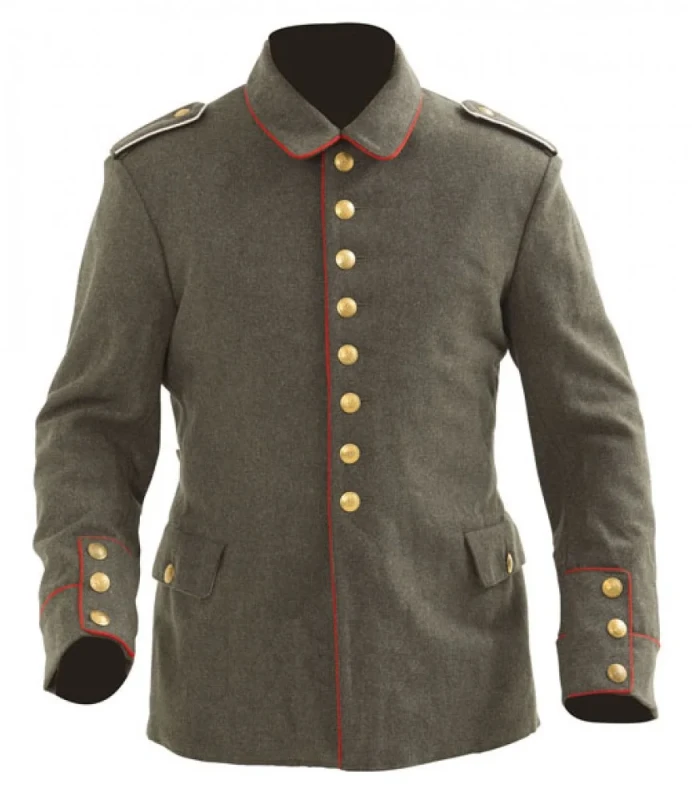
A staple of the German soldier’s wardrobe during both World Wars, the German army coat was designed for both function and form. The woollen coats worn in WW1 were made to keep soldiers warm in freezing conditions on the front lines.
What to Look For When Collecting a German Army Coat:
- Fit and Cut: Early WW1 German coats were designed to be a bit looser for ease of movement.
- Materials and Colour: The coats were often made from Feldgrau wool, a grey-green fabric. The colour and texture of the wool are key indicators of authenticity.
- Tassels and Decorations: In some versions, you might see specific insignia or decorations. Be cautious, as many reproductions feature embroidered details.
3. German Military Hat: The Pickelhaube and Other Iconic Headgear
Another key accessory in the German uniform was the military hat, most notably the Pickelhaube helmet. This spiked helmet became a symbol of the German military during WW1, particularly before it was replaced by the Stahlhelm (steel helmet) in later stages of the war.
Tips for Collecting German Military Hats:
- Condition and Materials: Look for the original brass fittings and iron spikes in the Pickelhaube. The leather and internal linings should also show signs of ageing.
- WW1 vs WW2: Be cautious of WW2 German military hats as they differ in design. WW1 helmets had more intricate details, such as brass eagle emblems and sometimes decorative spikes.
4. WW1 German Trousers: Practical and Sturdy
The trousers worn by German soldiers during WW1 were practical, designed for comfort and durability. Made from the same grey-green wool as the coats, the trousers featured reinforced seams for added strength in the harsh environments of the trenches.
Key Features of WW1 German Trousers:
- Reinforced Areas: Many trousers had reinforced knee areas to prevent wear from the harsh conditions.
- High Waist and Fit: These trousers were worn with suspenders and had a high waist for added comfort during long marches.
- Authentic Details: Look for correct stitching and fabric types, as these are often replicated incorrectly in modern reproductions.
Common Pitfalls When Collecting WW1 German Uniform Accessories
When collecting historical military accessories, there are several common pitfalls that collectors should avoid:
1. Overpaying for Reproductions
- Actionable Tip: Always verify the authenticity of a piece before purchasing. Check for wear, fabric, and manufacturer marks to ensure you’re getting a true historical item.
2. Misunderstanding Rarity and Value
- Actionable Tip: Not all items hold the same value. Original pieces in excellent condition are rarer and more expensive, but condition and provenance are just as important as age.
3. Not Doing Enough Research
- Actionable Tip: Take time to learn about each item before collecting. Research online, visit museums, or talk to experts. Joining collector communities can also provide valuable insights.
Current Trends in WW1 German Uniform Accessories
The Revival of Historical Collecting:
In recent years, there has been a resurgence of interest in WW1-era military memorabilia, particularly as collectors and historians dive deeper into the world of trench warfare. Authentic WW1 German uniforms, including trench coats, military hats, and trousers, have become increasingly sought after.
Modern Reproductions vs Authentic Pieces:
While modern reproductions of WW1 German accessories are readily available, many collectors prefer original pieces due to their historical value. However, there is also a growing market for high-quality replicas made to resemble the originals closely, especially for collectors on a budget.
Conclusion: Start Your Own Collection of WW1 German Uniform Accessories
Collecting WW1 German uniform accessories like the iconic trench coat, military hats, and trousers can be both rewarding and challenging. With careful research, attention to detail, and a passion for history, you can begin your journey into collecting these historical treasures. Whether you are drawn to the functional aspects of the garments or their aesthetic value, understanding the nuances of each piece is crucial.
If you're just getting started, begin by acquiring items in good condition and focus on authenticating each piece to avoid common pitfalls. Join collector forums, visit military history museums, and attend collector events to deepen your knowledge and broaden your collection.
REQUISITION RELATED GEAR
EXPLORE MORE FIELD REPORTS
Browse all published guides and history articles.
