Introduction
Hey, ever wondered why that WWI jacket feels off? Or why one Adrian helmet costs double while another looks almost the same? If you collect French military uniforms, you know the struggle. Identification is not easy. Fabric shades change with age. Buttons get replaced. Liners go missing. Sellers mix original parts with modern copies. It gets confusing fast.
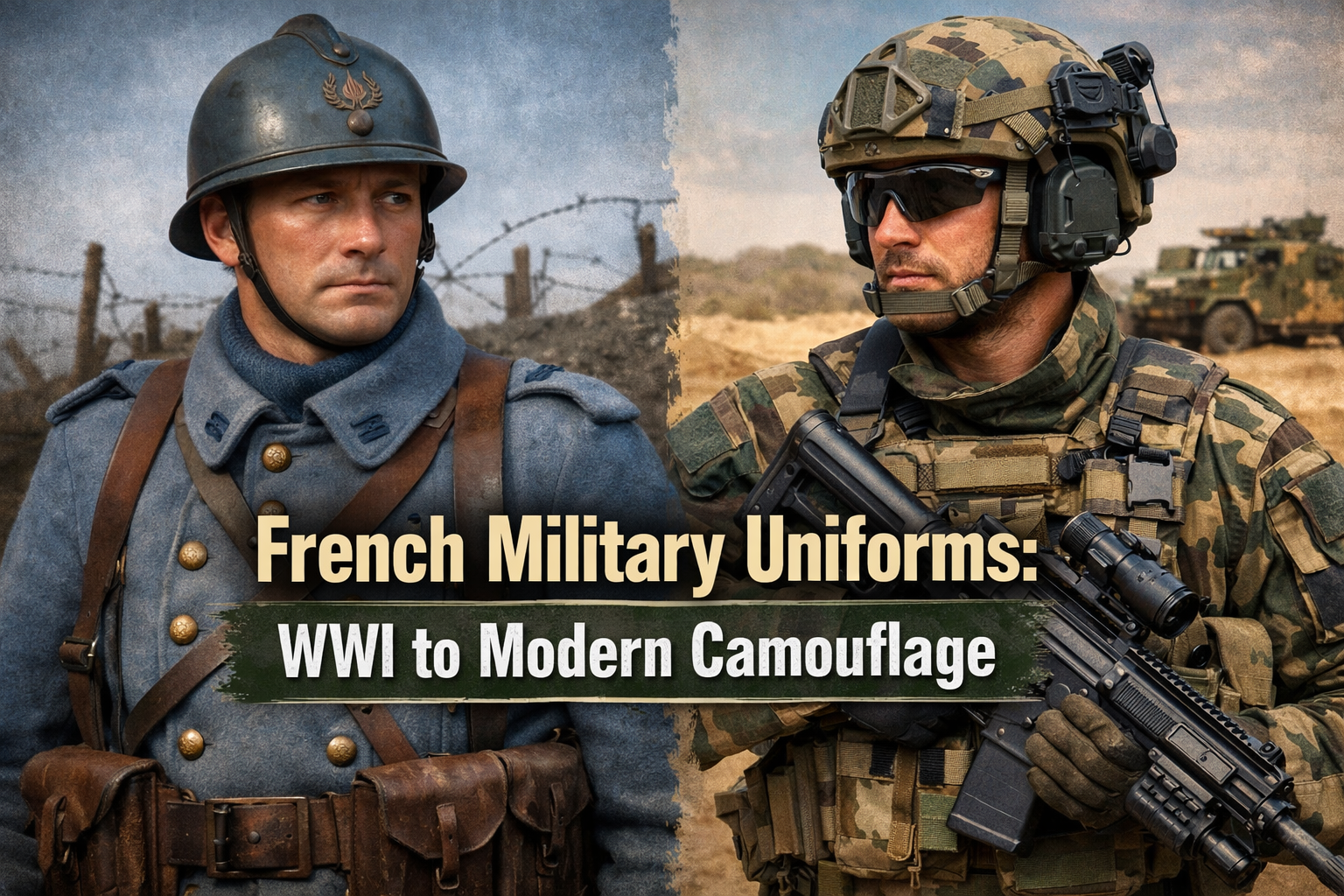
French uniforms are special. In World War I, France moved from dark blue and red trousers to the well-known horizon blue uniform. Then, over the next century, the army shifted to camouflage systems like CCE and the FELIN combat gear. Each era has clear features. Each piece has specs you can verify.
But here is the problem. Many collectors buy items that look correct at first glance but fail basic checks. Wrong cloth weight. Incorrect helmet badge. Modern stitching on a “1916” tunic. Money lost. Trust broken.
In this guide, we will break it down in simple terms. WWI basics. Horizon blue fabric facts. Adrian helmet details. Then we move to modern French camouflage, including FELIN gear used in recent operations. Let’s make your next purchase smarter.
WWI Uniform Basics
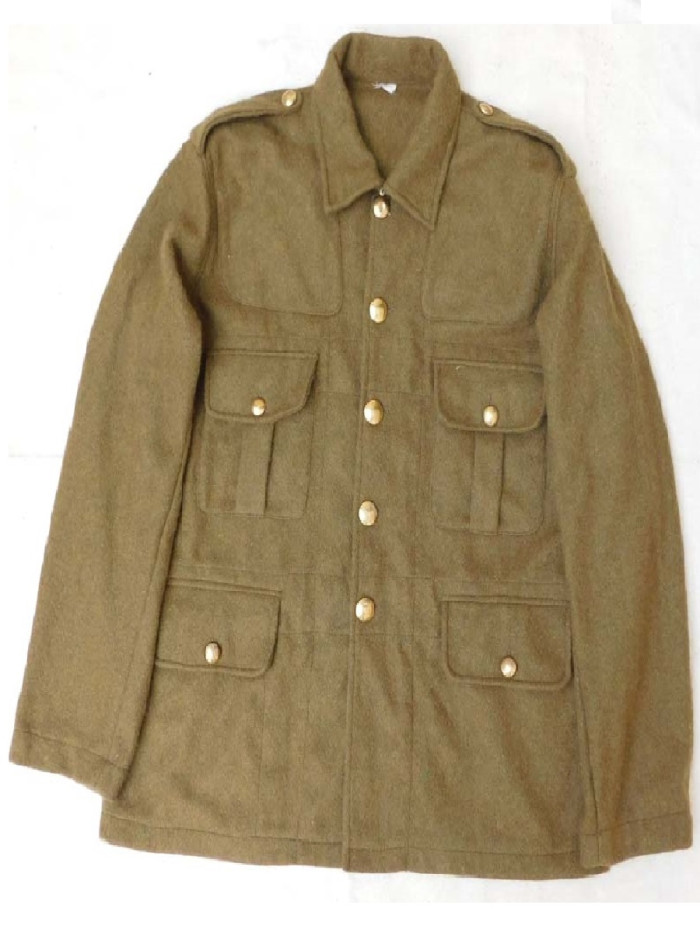
When World War I began in 1914, French soldiers still wore dark blue coats and red trousers. Heavy losses in early battles forced change. By 1915, France introduced the horizon blue uniform, officially called “bleu horizon.”
Key WWI Uniform Specs
-
Tunic (M1915 model)
-
Wool cloth in horizon blue
-
Stand-up collar
-
Five front buttons
-
Two large skirt pockets
-
-
Trousers
-
Wool, same horizon blue
-
Straight cut
-
Button fly
-
-
Puttees
-
Wool wraps around lower leg
-
-
Adrian Helmet (Model 1915)
-
Mild steel shell
-
Front flaming grenade badge
-
Painted horizon blue
-
If you collect WWI pieces, start with fabric and hardware. Originals were mass-produced but followed army standards. Buttons usually show French maker marks. Stitching is tight but not modern machine-perfect.
You can compare with detailed replica references at paddelaters.com/wwi-uniforms to understand shape and cut before buying originals.
Horizon Blue Fabric Facts
“Horizon blue” was not a random shade. It was created by mixing blue and white wool fibers. The idea was to reduce visibility compared to dark blue and red.
Facts you should know:
-
The cloth was wool serge.
-
Early batches varied in tone due to dye supply.
-
Fading over time can turn it grey-blue.
-
Weight was practical for field use, not thin like modern costume cloth.
If a seller offers a WWI tunic in bright sky blue, be careful. Real horizon blue looks muted. Also check inside seams. Original cloth ages evenly. Fake items often show artificial distress only on outer areas.
Another detail: insignia placement. Rank stripes were sewn onto sleeves. Unit numbers were often on collar tabs. Originals show period thread. Modern replicas may use synthetic thread that shines under light.
Adrian Helmet Details
The Adrian helmet is one of the easiest French items to spot but also one of the most copied.
Original Model 1915 features:
-
Four main parts: shell, comb, front badge, liner
-
Ventilation ridge along top
-
Painted matte horizon blue
-
Leather liner with multiple tongues
Badges varied by branch. Infantry used the flaming grenade. Artillery had crossed cannons. Check if the badge matches the supposed unit of the uniform.
Real helmets from Verdun battlefields, recovered in the 20th century, often show rust consistent with steel age. In one 1916 Verdun recovery case, soil exposure caused pitting under the comb, not just on outer areas. That pattern is hard to fake.
If the liner looks brand new but the shell looks “old,” question it.
Modern Camo Evolution
After World War II, French uniforms changed again. By the late 20th century, camouflage became standard.
France adopted the CCE pattern (Camouflage Centre Europe) in the early 1990s.
CCE Pattern Basics
-
Four-color woodland scheme
-
Green, brown, black, and tan tones
-
Similar layout concept to US woodland but distinct shapes
-
Cotton or cotton-blend fabric
CCE is still seen in training and some deployments. It replaced plain green field uniforms.
Modern surplus is easier to verify than WWI pieces. Labels often show contract numbers, year, and size. Look inside the jacket. You will see printed data with manufacturer code.
For collectors who prefer wearable history, modern French gear is often practical and affordable compared to WWI originals.
FELIN Gear in Action
FELIN stands for “Fantassin à Équipements et Liaisons Intégrés.” It is an integrated soldier system introduced in the 2000s.
FELIN includes:
-
Modified combat uniform
-
Body armor integration
-
Communication system
-
Helmet with mounting options
-
Weapon interface
French troops used FELIN-equipped gear during operations in Mali in the 2010s under Operation Serval and later missions. Photos from those deployments show CCE-based uniforms combined with modular vests and electronic systems.
From a collector view, full FELIN sets are harder to find. Many items are controlled military equipment. However, standard combat uniforms linked to the era appear in surplus markets.
Check stitching, label year, and NSN-style codes. Modern French uniforms use durable cotton blends. Seams are reinforced for field use.
Pros & Cons Table
| Feature | WWI Replica | Modern Surplus |
|---|---|---|
| Historical value | High for display | Moderate |
| Wearability | Limited daily use | Practical |
| Fabric | Wool serge | Cotton blend |
| Maintenance | Dry clean preferred | Machine washable |
| Price range | Higher | Lower |
| Risk of fakes | High | Lower |
WWI replicas are great for reenactment and display. Modern surplus works if you want functional gear with history behind it.
Real-World Collector Stories
Let’s talk real cases.
Case 1: Verdun Recovery Tunic (1916)
A collector acquired a tunic linked to Verdun. Soil stains matched known trench clay samples. Buttons matched 1915 contract marks. Fabric showed natural fade, not uniform sanding. This level of detail confirmed authenticity.
Case 2: Mixed Parts Helmet
Another buyer found an Adrian helmet with correct shell but modern liner. The liner leather was machine-cut in a modern pattern. Result? Half original, half replica.
Case 3: Mali Deployment CCE Jacket
A surplus buyer purchased a CCE jacket labeled 2013. Contract number matched known French procurement batches during Mali operations. Fabric blend matched official specs. That label check made all the difference.
If you want safer options, study verified replica listings at paddelaters.com/modern-military and compare construction details before buying from random sellers.
FAQs
1. How to spot real WWI French uniform?
Check wool type, faded horizon blue shade, period stitching, and maker marks on buttons.
2. Are all Adrian helmets the same?
No. Badges differ by branch. Liners and paint tones also vary by batch.
3. What is CCE camouflage?
It is a four-color woodland pattern adopted by France in the 1990s.
4. Is FELIN uniform different from standard CCE?
Yes. FELIN integrates gear systems and modified combat components.
5. Should beginners buy originals or replicas?
If unsure, start with quality replicas. Study them. Then move to originals.
Conclusion
Collecting French military uniforms is rewarding, but it requires attention to detail. WWI horizon blue pieces demand careful checks. Fabric weight. Stitch type. Helmet liner age. One wrong detail can change value completely. Modern CCE and FELIN gear are easier to verify but still need label and contract checks.
The solution is simple. Learn the specs. Compare items. Study verified examples. Use trusted references. If you are building a display or reenactment kit, quality replicas help you understand structure before investing in rare originals.
Take your time. Ask questions. Cross-check features. And if you want clear reference pieces built to correct patterns, explore current stock at paddelaters.com/wwi-uniforms and related sections. A smart collector always studies before buying. That is how you protect your budget and grow a collection you can trust.