A CLOSER LOOK AT GERMAN WWI UNIFORM TYPES
Introduction: Understanding German WWI Uniforms
World War I is a period steeped in history, and one of the most interesting aspects of this era is the military uniforms worn by soldiers. The German Empire, which played a central role in the conflict, had a distinct set of uniforms for its soldiers. These uniforms weren't just about style; they had a practical purpose, providing the necessary protection and functionality for the harsh conditions on the battlefield.
However, for anyone studying the war or interested in military history, understanding the different types of German uniforms can be challenging. The uniform variations, materials used, and insignia can be confusing, especially when considering the different branches of the military and the changing designs over time. In this post, we will take a detailed look at the different types of German WWI uniforms, focusing on their key features, their pros and cons, and how they were used in real-world situations.
Features: Key German WWI Uniform Types
The German soldier’s uniform was a key part of his identity. It identified him as part of the German military, served practical purposes, and, in many cases, adapted to the brutal conditions of trench warfare. The uniform included several key components, each of which had a unique design and purpose. Let's take a closer look at some of the primary elements: the tunic, trousers, helmets, and insignia.
The Tunic
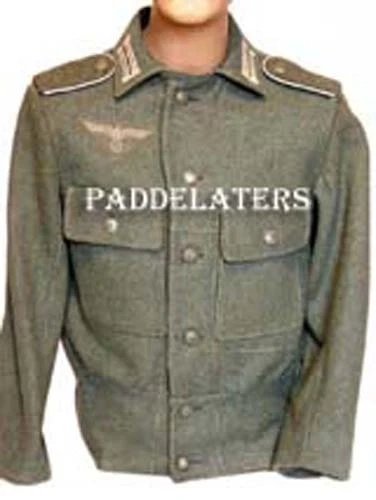
The standard uniform for the German soldier in WWI featured a distinctive tunic. Made of wool, the tunic was a dark green color, which helped soldiers blend into the landscape of the trenches. The tunic was equipped with a high collar, and its cut was relatively simple, allowing soldiers to move freely. The tunic had several pockets, which could hold basic supplies, such as maps, ammunition, and food rations. It was often adorned with buttons, and the front closure was secured with a series of hooks and loops.
The tunic also featured a distinctive "pickelhaube" style, which was a form of headgear worn by soldiers at the beginning of the war, before being replaced by other helmet designs. The tunic had different variations depending on the soldier's rank and unit.
The Trousers
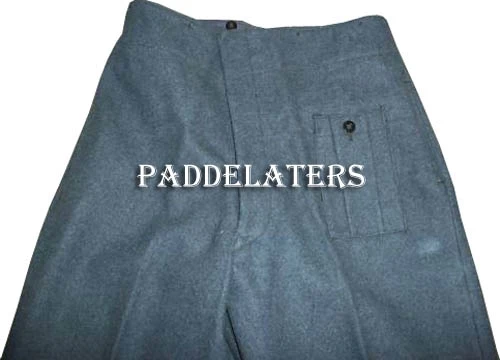
German WWI trousers were typically made of a wool blend and were a darker color, often matching the tunic. The trousers were designed for comfort and mobility, with a simple cut that allowed soldiers to move freely in the trenches. The pants were often tucked into tall leather boots, which were essential for protecting soldiers' legs from the muddy and harsh conditions of trench warfare. In certain instances, soldiers wore "Puttees" — long strips of cloth wrapped around the legs — as an alternative to boots, especially in the early years of the war.
The Helmet: Pickelhaube and Stahlhelm
One of the most iconic aspects of the German soldier's uniform was the helmet. Early in the war, German soldiers wore the Pickelhaube, a spiked helmet made of metal or leather. The Pickelhaube had a distinctive, somewhat ceremonial appearance, featuring a spike at the top and a metal front plate with the imperial eagle.
However, as the war progressed and the nature of combat changed, the Pickelhaube was found to be insufficient for the protection needed in modern warfare. By 1916, it was replaced by the Stahlhelm, a steel helmet designed for better protection against shrapnel and bullets. The Stahlhelm became one of the most famous symbols of German soldiers in WWI, with its more practical and effective design.
Insignia and Rank Markings
German military uniforms during WWI had a system of insignia that indicated a soldier’s rank and unit. These insignia could be seen on various parts of the uniform, especially the collar, sleeves, and shoulder straps. For example, shoulder boards were used to show rank, and different colors were used to distinguish between branches of the military, such as infantry, artillery, or cavalry.
Officers often had more elaborate insignia, including distinctive collar patches or golden epaulets, to denote their higher status. These markings were an essential part of military organization, as they allowed soldiers to quickly identify one another's roles and ranks.
Pros and Cons of German WWI Uniform Types
While the German WWI uniforms were well-designed for the time, they came with both advantages and limitations, especially in the context of the brutal conditions of trench warfare.
The Tunic
Pros:
- The wool fabric was durable and warm, which helped in cold conditions.
- The dark green color allowed soldiers to camouflage themselves to some extent.
- The tunic had a simple design, which allowed for easy movement.
Cons:
- The wool fabric could become heavy and uncomfortable when wet, which was often the case in the muddy trenches.
- The high collar, while offering some protection, was not ideal for soldiers in close combat situations, as it could hinder movement.
The Trousers
Pros:
- The trousers were practical and durable, allowing soldiers to move freely.
- The material offered some level of protection against the elements, such as cold and wet conditions.
Cons:
- The trousers, especially when tucked into boots, could restrict movement in certain situations.
- The wool blend material could become heavy and uncomfortable during extended periods in the field.
The Helmet: Pickelhaube vs. Stahlhelm
Pickelhaube (Pros):
- The Pickelhaube, though ceremonial, was lightweight and provided some level of protection against debris and blows to the head.
- Its design was iconic and easily recognizable.
Pickelhaube (Cons):
- It offered limited protection against shrapnel and modern artillery, which became a serious issue during the war.
- The spiked design was more ceremonial than practical and made the helmet more vulnerable to damage.
Stahlhelm (Pros):
- The Stahlhelm provided excellent protection against shrapnel, which was critical in trench warfare.
- Its design was more functional and suited to the changing nature of combat.
Stahlhelm (Cons):
- While more protective, the Stahlhelm was heavier than the Pickelhaube, which could become uncomfortable during long periods of wear.
- The helmet's design, though practical, was not as visually striking as the Pickelhaube.
FAQs about German WWI Uniforms
Q: Did all German soldiers wear the same uniform?
A: No, there were variations depending on the soldier’s branch of service, rank, and the year of service. For example, infantry, cavalry, and artillery units had slight differences in their uniforms.
Q: What was the purpose of the spiked Pickelhaube helmet?
A: The spiked design of the Pickelhaube was partly ceremonial, but it also provided some protection against head injuries and could be used to help identify officers.
Q: How did the uniforms change over the course of the war?
A: As the war progressed, uniforms became more focused on practicality. The Pickelhaube was replaced by the Stahlhelm, and other changes were made to better suit the conditions of trench warfare.
Q: Were German soldiers issued different uniforms for winter and summer?
A: Yes, there were lighter uniforms for warmer weather and heavier, more insulated uniforms for winter. This helped soldiers adapt to the various climates they encountered during the war.
Real-World Examples: Specific Regiments and Historical Events
The uniforms worn by German soldiers are often seen in photos and paintings from the period, but they also played a key role in significant events. The Prussian Guard was known for their distinctive uniforms and was one of the most elite units in the German army. They wore ornate versions of the tunic and Pickelhaube, making them instantly recognizable.
During the Battle of Verdun, one of the most famous and prolonged battles of WWI, the German forces wore the Stahlhelm for protection. This was a critical moment in the war, and the steel helmets were essential in keeping soldiers safe from shrapnel and gunfire.
Conclusion: The Value of Studying German WWI Uniforms
Understanding the different types of German WWI uniforms is not just about fashion or aesthetics; it’s about understanding the challenges soldiers faced during one of the most brutal conflicts in history. From the early days of the war, when soldiers wore the spiked Pickelhaube helmet, to the later years, when the practical Stahlhelm became standard, these uniforms tell a story of adaptation and survival.
By learning about these uniforms, we gain a deeper appreciation for the soldiers who wore them and the conditions they endured. Whether you're a history enthusiast or simply curious about the Great War, studying these uniforms offers valuable insights into the German military's strategy and the realities of life in the trenches.
REQUISITION RELATED GEAR
EXPLORE MORE FIELD REPORTS
Browse all published guides and history articles.
