THE ESSENTIAL GUIDE TO WW1 BRITISH UNIFORM COMPONENTS: UNDERSTANDING THE WORLD WAR ONE JACKET AND BEYOND
Introduction: The Story Behind the World War I Jacket and Its Components
Did you know that over 6 million British soldiers served during World War 1, each donning a distinctive uniform? Whether you’re a history enthusiast, a military equipment collector, or someone passionate about the impact of wars on clothing and gear, the British WW1 uniform is fascinating. The World War One jacket, alongside other pieces like the WW1 cap, remains an iconic symbol of bravery, sacrifice, and military history.
In this guide, we will walk you through the essential components of the WW1 British uniform. We’ll focus on how to identify, understand, and even collect these items, especially for those diving into historical reenactments or military history. We’ll also touch upon the similarities with other wartime gear, like the World War 1 campaign hat and the WW1 German field cap. Let’s get started by exploring the key uniform elements and how they have evolved through history.
Understanding the World War One Jacket: A Staple of the British Military
The British World War One jacket, often referred to as the "Service Dress," was designed to serve both practical and symbolic purposes. Its distinctive features were meant to provide functionality on the battlefield, while also reflecting the authority and identity of the British Army.
Key Features of the World War I Jacket
- Fabric and Construction: The World War One jacket was primarily made of wool serge, providing warmth and durability in the cold trenches of Europe. It was cut to allow soldiers mobility while maintaining a structured, military appearance.
- Design Elements:
- The jacket featured a stand-up collar, which helped distinguish British soldiers from their enemies.
- Shoulder straps were used to display rank, making it easier to identify officers on the battlefield.
- The jacket's color was a distinctive khaki, which helped soldiers blend in with the environment.
Modern-Day Collecting: How to Identify an Authentic WW1 Jacket
If you’re looking to add a WW1 British jacket to your collection, make sure you’re aware of these identifiers:
- Labels and Markings: Original jackets often have makers’ labels or stamps. Please pay attention to these, as they can reveal the year of manufacture and other production details.
- Buttons: The buttons on the jacket were usually brass, marked with a royal crest or other insignia. These details can help confirm the authenticity of the piece.
- Condition and Wear: Given the century-long passage of time, vintage jackets may show signs of wear, but that can actually add to their historical value.
The WW1 Cap and World War 1 Campaign Hat: The Headgear of a Soldier
The headgear worn by British soldiers during World War 1 had both practical and symbolic importance. Among the most iconic pieces were the WW1 cap and the World War one campaign hat.
The WW1 Cap: More Than Just Protection
The WW1 cap, often called a “service cap,” was designed to be simple, practical, and functional. Made of wool, it provided warmth and was easy to wear in the trench conditions.
How to Spot a Genuine WW1 Cap
- Material: Most caps were made from the same wool as the uniform.
- Visor: The WW1 cap had a short, stiffened visor, designed for visibility and practicality.
- Insignia: The front of the cap typically displayed the regimental insignia or unit badge.
The World War 1 Campaign Hat: The British Equivalent
While the British primarily wore the service cap, the World War 1 campaign hat, or "wide-brimmed hat," was popular in other Allied nations, including the United States. Some British officers even wore this style during more formal occasions.
The World War 1 campaign hat was made of felt and had a wide brim to protect against the sun. It also featured a chin strap and a crease down the middle.
Differences Between the WW1 Cap and the Campaign Hat
- The WW1 cap was more standard-issue and designed for everyday use, while the campaign hat was more ceremonial or specialized.
- The campaign hat’s wide brim made it more suitable for outdoor, field conditions.
The WW1 German Field Cap: A Contrasting Piece
Although our focus is on the British WW1 uniform, understanding the German side of the war can help highlight the differences in military headgear. The WW1 German field cap, known as the "Pickelhaube," was a more iconic and visually striking piece of military gear.
- Material: The Pickelhaube was typically made of leather and adorned with a metal spike on top, which became one of the most recognizable symbols of the German army.
- Design and Function: While it was visually imposing, it offered less protection than the British WW1 cap. Its role was more symbolic, signifying the authority of the soldier.
The German field cap contrasted sharply with the British cap, both in material and in purpose, making it an important aspect of military uniform history.
WW1 British Uniform Components: Trousers, Boots, and Other Essentials
Aside from the jacket and headgear, other components completed the WW1 British uniform, such as the trousers, boots, and other functional gear.
WW1 Trousers: Functionality and Durability
The British WW1 trousers, often referred to as "overalls," were designed to withstand harsh conditions and provide comfort to the soldiers.
- Fabric: Like the jacket, the trousers were made from wool, offering warmth and durability.
- Design: The trousers had a relaxed fit, allowing soldiers freedom of movement in the trenches.
Collecting WW1 Trousers: What to Look For
- Look for distinct signs of wear or tailoring, as many soldiers altered their uniforms.
- Inspect the cuffs and pockets for original stitching.
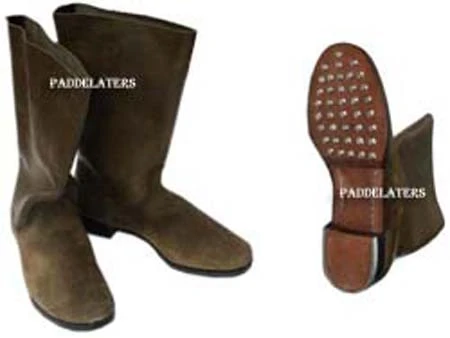
Boots: Protecting the Feet on the Front Line
The boots worn by British soldiers were designed for practical purposes, providing protection and support during long marches and intense battles.
- Construction: Made of leather, the boots were designed to be sturdy and waterproof, offering protection from the mud and water in the trenches.
Common Pitfalls to Avoid When Collecting WW1 Gear
Collecting WW1 military gear is a rewarding hobby, but there are several pitfalls to avoid to ensure you’re getting genuine, valuable pieces.
Fake Gear and Replicas
With the increasing popularity of collecting WW1 gear, counterfeit items are becoming more common. Always purchase from reputable dealers or auction houses and ask for provenance or a certificate of authenticity when possible.
Ignoring Condition
Many collectors are drawn to rare, unaltered items, but they often overlook the condition of the gear. A piece may look authentic but be too damaged to restore or display properly. Always consider the condition before purchasing.
Conclusion: Collecting WW1 British Uniform Components
The World War One jacket, along with its accompanying gear like the WW1 cap and the iconic boots, represents a fascinating chapter in military history. Whether you're looking to start your collection, enhance your reenactment group’s gear, or learn more about the uniforms that defined the Great War, understanding these components is a great place to begin.
If you’re inspired to start collecting or want to learn more about the fascinating history of World War 1 uniforms, begin by researching original pieces and connecting with expert collectors. You can also explore historical events to see how the uniforms evolved.
Start your journey into WW1 British uniforms today, and uncover the rich history hidden in every stitch and button!
REQUISITION RELATED GEAR

EXPLORE MORE FIELD REPORTS
Browse all published guides and history articles.
