ULTIMATE GUIDE TO WW1 & WW2 REENACTMENT: EQUIP YOURSELF WITH THE RIGHT WW1 REENACTMENT EQUIPMENT
Introduction: The Fascinating World of WW1 & WW2 Reenactment
Did you know that over 500 reenactment events take place worldwide each year, attracting thousands of passionate history buffs and enthusiasts? These events are more than just a chance to dress up—they're a unique way to experience history firsthand, especially for those interested in WW1 and WW2. Whether you're just getting started or you're a seasoned reenactor, understanding the right equipment is crucial for both authenticity and safety.
In this guide, we'll delve into the different types of WW1 reenactment equipment and WW2 reenactment supplies, focusing on where to find them, how to choose quality items, and how to avoid common pitfalls. If you’re interested in WW1 and WW2 military gear, this article will help you make informed purchasing decisions while ensuring you're fully prepared for your next event.
Section 1: Understanding Reenactment Intents: Balancing Informational and Commercial Needs
When embarking on any reenactment hobby, it’s essential to grasp the two main intents that drive people’s buying decisions: informational and commercial. Whether you’re looking for WW1 reenactment equipment or WW2 German reenactment gear, understanding how to balance these intents will help you make better decisions, both for your experience and budget.
Informational Intent: The Desire to Learn
If you're new to reenacting or simply looking to deepen your knowledge of WW1 or WW2, the informational intent is a big part of your journey. This intent drives you to seek out educational resources, such as historical accuracy guides, tips for building your uniform, and expert advice on maintaining your gear.
Here’s how to approach informational intent when it comes to reenactment gear:
- Research Authenticity: Many first-time reenactors dive into the hobby without fully understanding the historical accuracy of uniforms and equipment. While it's tempting to buy an affordable jacket or helmet, doing thorough research is key. Be sure to look into primary sources, such as original photographs or accounts from soldiers, to guide your purchases.
- Utilize Online Resources: Websites dedicated to WW1 and WW2 reenactment gear can offer helpful advice on finding quality suppliers. For instance, forums and Facebook groups often feature experienced reenactors sharing tips on war reenactment supplies.
Commercial Intent: The Need to Buy the Right Gear
Commercial intent comes into play when you're ready to purchase your war reenactment supplies, whether it’s a full WW1 uniform reproduction or specific items like a WW2 leather coat. Here, you want to ensure that you're buying from reputable vendors who offer high-quality, historically accurate items.
When shopping for commercial products:
- Prioritize Quality over Price: While it's tempting to go for the cheapest option, low-quality items can compromise both your reenactment experience and safety. Opt for stores with solid reputations in the reenactment community.
- Check Vendor Reviews: Read feedback from other reenactors who’ve purchased similar items. This can help you gauge the authenticity and durability of the products you're interested in.
By understanding these two intents, you’ll have a clearer vision of your goals—whether it’s to learn and explore or to invest in high-quality equipment for your reenactment.
Section 2: Essential WW1 & WW2 Reenactment Equipment for Beginners
Now that we've established the importance of balancing informational and commercial intents, let’s dive into the specifics. Whether you’re focused on WW1 reenactment equipment or WW2 German reenactment, here are the essential items every beginner should consider.
1. WW1 Uniform Reproduction
For WW1 reenactment, the uniform is arguably the most important aspect. Accuracy is key in portraying soldiers from this era.
Key items include:
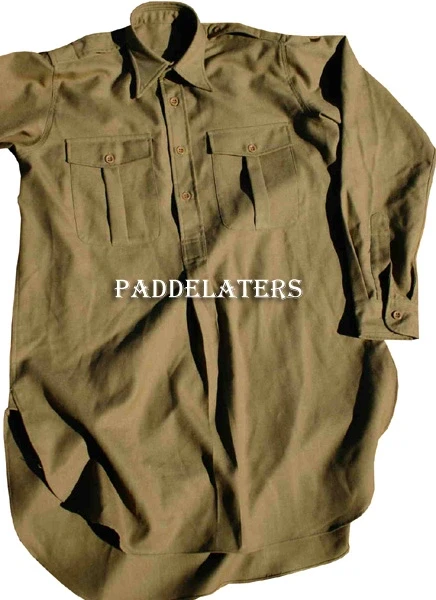
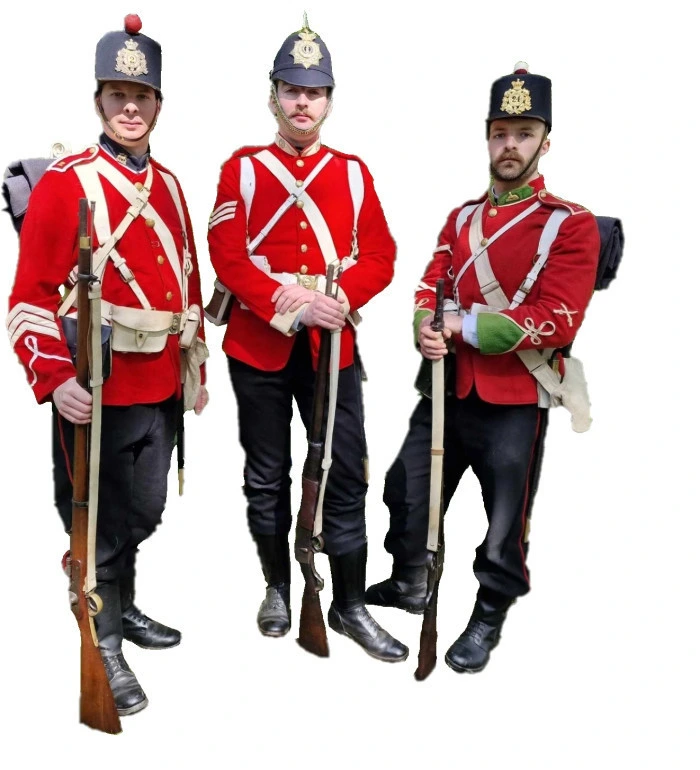
- Tunics and Jackets: Ensure your WW1 jacket matches the correct military branch (e.g., infantry, cavalry, or artillery). Authentic reproduction tunics often use wool and linen, materials common at the time.
- Headgear: The Brodie helmet is an iconic symbol of WW1 and should be sourced from a high-quality seller. It should include the correct insignia and shape.
- Footwear: Don’t forget proper WW1 boots, which should be sturdy and historically accurate in their design.
2. WW2 German Reenactment Gear
For WW2 German reenactment, it's crucial to understand the distinctions between different branches of the German military (Heer, Luftwaffe, SS, etc.) as their uniforms and gear varied.
Key items to focus on:
- M42 Helmets: The M42 helmet was the standard headgear used by German forces. It's essential to purchase a helmet with the correct specifications, such as its steel composition and distinctive shape.
- Leather Gear: Many reenactors choose high-quality WW2 leather coats and holsters. The WW2 leather coat was a signature item for German officers and should be carefully sourced to match original designs.
- Field Gear: Include things like bread bags, canteens, gas mask carriers, and ammunition pouches, all of which need to be period-accurate for the best authenticity.
3. Additional War Reenactment Supplies
Beyond uniforms, there are various other reenactment supplies that you might need, such as:
- Weapons (Non-Firing): While you can’t use real weapons, there are replica options available for rifles, pistols, and grenades.
- Camping Gear: WW1 and WW2 soldiers often used unique equipment like tents, mess kits, and field stoves. Reproductions are available from specialized WW2 stores.
Common Pitfalls to Avoid When Purchasing Reenactment Gear
While the world of war reenactment supplies is exciting, there are common mistakes that newcomers should avoid to ensure they get the most authentic and durable equipment.
1. Buying Low-Quality Reproductions
It’s tempting to opt for cheap knockoffs, but these often fail to meet the authenticity or durability standards that true reenactors need. Avoiding these ensures you have a long-lasting and immersive experience.
2. Neglecting Fit and Comfort
An essential part of reenacting is being able to wear your gear for long periods of time. Always ensure your uniform, boots, and accessories fit properly, and don’t compromise on comfort, even if it means spending a little more.
3. Overlooking Maintenance and Care
After each reenactment event, proper care is vital. Store your uniforms and equipment in dry, cool places to prevent wear and tear. Clean and polish items like helmets and leather jackets regularly to maintain their condition.
Conclusion: Ready to Step into History?
Whether you’re interested in WW1 reenactment equipment or WW2 German reenactment gear, the key to a successful reenactment experience is ensuring you have the right supplies, knowledge, and resources. By balancing your informational and commercial intents, you can make informed choices that will lead to both an authentic and enjoyable reenacting journey.
As you prepare for your next reenactment, keep these tips in mind and consider browsing a trusted WW2 store or WW1 reenactment suppliers to find the gear that will make your portrayal stand out.
REQUISITION RELATED GEAR
EXPLORE MORE FIELD REPORTS
Browse all published guides and history articles.
