WW1 REENACTMENT EQUIPMENT: AUTHENTIC AMERICAN UNIFORM REPRODUCTION GUIDE
WW1 Reenactment Equipment: Authentic American Uniform Reproduction Guide
"Did you know over 4 million Americans served in WW1 — and thousands today proudly recreate their stories through authentic gear?"
If you’re fascinated by military History, especially WW1 and WW2, you’ve likely considered participating in a reenactment. But starting with the right WW1 reenactment equipment, especially an accurate American uniform reproduction, can be daunting.
From choosing the correct tunic to understanding differences between WW1 German uniforms and WW2 winter gear, there’s a lot to consider.
In this guide, we’ll walk you through:
- How to build an authentic WW1 American uniform
- Where to find quality reproductions
- What to avoid (big mistakes newbies make)
- How trends are shifting in the reenactment scene
🪖 Why WW1 Reenactment Equipment Matters
Reenactment isn’t just dress-up — it’s living History.
Using correct gear shows respect for those who served and gives spectators a glimpse into real trench life. From the Puttees wrapped around your legs to the M1917 helmet on your head, every piece counts.
Inaccurate equipment not only breaks immersion but can make you stand out for the wrong reasons.
🎖️ Step-by-Step: Building Your WW1 American Uniform Reproduction
Let’s start assembling your WW1 kit. Below is the typical uniform worn by American Doughboys in 1917–1918.
🧵 1. Start with the Basics
Here’s a list of essential items you’ll need:
- M1912 or M1917 Tunic: Olive drab wool, four-pocket design
- Wool Breeches: Tapered at the knee, olive or mustard brown
- Puttees: Long wool strips for wrapping from ankle to knee
- M1917 Steel Helmet: Also known as the "Brodie Helmet"
- Marching Shoes or Trench Boots: Brown leather with hobnails
- Shirt and Undergarments: Cotton pullovers were standard
- Belt Equipment: Cartridge belt, canteen, first aid pouch
Pro Tip: Original pieces are rare and expensive—reproduction vendors like At the Front, What Price Glory, and Schipperfabrik offer high-quality alternatives.
🔍 2. Focus on Accuracy (Not Just Looks)
Details matter in WW1 reenactment equipment:
- Buttons should match the correct era (U.S. Army "Great Seal" style)
- Fabric should be wool, not synthetic blends
- Avoid zippers or Velcro — they didn’t exist in 1918
- Check for the right insignia or division patches (if applicable)
💡 Example: Some vendors sell WW1 American tunics with incorrect lapel piping or post-war modifications — avoid these!
🛍️ 3. Where to Buy WW1 Reenactment Equipment
Here's where to look for the best reproduction gear:
VendorSpecialtyWebsite
At the Front High-end U.S. WW1 and WW2 gear atthefront.com
What Price Glory Affordable reproductions whatpriceglory.com
Hessen Antique German & American uniforms hessenantique.com
Military Harbor Custom reproductions militaryharbor.com
Always read reviews and compare item details with historical photos.
❗Common Pitfalls in WW1 Reenactment Equipment
Avoid these mistakes when getting started:
- ✅ Buying post-war or WW2 uniforms, assuming they’re “close enough”
- ✅ Mixing American and German gear (Yes, this happens!)
- ✅ Using modern fabrics or colors that are too green or gray
- ✅ Improper boot styles — no zippers or soles without hobnails
- ✅ Wrong helmet shape — British and American Brodie helmets differ slightly
Helpful Tip: Join online forums like The Great War Association or Facebook groups focused on WW1 reenactments. You’ll find knowledgeable collectors ready to help.
🪶 Understanding Other Nations' Uniforms: WW1 German and WW2 Gear
While the focus here is on American reproductions, many enthusiasts collect and compare:
⚔️ WW1 German Uniforms
- Feldgrau wool tunics
- Pickelhaube helmets (early war), Stahlhelms (later war)
- Ammo pouches were often leather with metal loop closures
🇩🇪 WW1 German gear has a completely different aesthetic — darker colors, more industrial construction, and different weaponry (like the Mauser 98).
❄️ German WWII Winter Uniforms
- Reversible white/green parkas for Eastern Front
- Padded trousers and boots with felt liners
- Wool gloves, balaclavas, and fur caps
Collectors often appreciate the contrast between WW1 American simplicity and WW2 German complexity.
🌍 Current Trends in WW1 Reenactment Equipment
Reenactment is evolving. Here’s what’s trending now:
📸 1. Living History + Social Media
More reenactors are using Instagram, TikTok, and YouTube to share their kit builds and trench living experiences. Accurate gear is essential for credibility.
🧪 2. High-Quality Materials and Custom Tailoring
Reproductions now include hand-sewn buttons, vegetable-dyed fabrics, and even sweat-resistant linings. Vendors are raising their game.
🤝 3. Mix of Theater and Combat Reenactments
Groups now incorporate storytelling, acting, and even simulated gas attacks to immerse spectators. Your gear needs to be rugged, not just pretty.
🔁 4. Cross-War Kits
Some collectors blend WW1 and WW2 reenactment interests — just be careful not to confuse the timelines. For example:
- Don’t wear German WWII winter uniforms to a WW1 event.
- Avoid mixing WW2 American gear (M1 helmet, HBT fatigues) with WW1 kit.
🔧 Maintaining Your WW1 American Uniform
Treat your uniform like a historical artifact.
- Use mothballs or cedar chips for wool storage
- Wash sparingly — hand-clean with wool-safe detergent
- Replace lost buttons with reproduction Great Seal buttons
- Waterproof your boots using beeswax or Dubbin
🏁 Conclusion: Start Your Journey with the Right WW1 Reenactment Equipment
Recreating the look of a WW1 American soldier is a meaningful tribute to History — but it takes research, patience, and the right sources.
By focusing on authentic WW1 reenactment equipment, avoiding common pitfalls, and staying updated on trends, you’ll stand out as a serious living historian.
REQUISITION RELATED GEAR
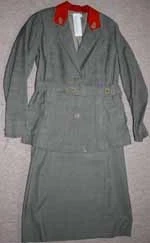
World War two (ww2,wwii) Women's (Queen Alexandra's Imperial Military Nursing Service) QAIMS uniforms
$199.00
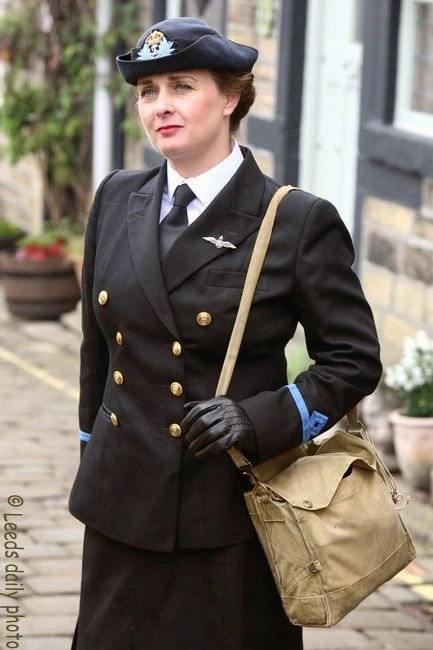
World War two (ww2,wwii) British army Women's Royal Naval Service (WRENS & WRNS) uniform Tunic and skirt
$199.00
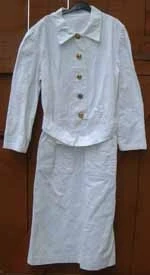
World War two (ww2,wwii) British army Women's Royal Naval Service WRENS & WRNS Tropical Uniforms
$299.00
EXPLORE MORE FIELD REPORTS
Browse all published guides and history articles.
