WWI AMERICAN MILITARY HISTORY: REENACTMENT WW2 TRENDS, DOUGH BOYS & WAR GEAR TIPS
WWI American Military History: Reenactment WW2 Trends, Dough boys & War Gear Tips
Did you know over 4.7 million Americans served in World War I — and many of them were young volunteers known as “dough boys”? This pivotal moment in history still echoes today, not only in books but also on battlefields reenacted by history lovers worldwide.
Whether you’re a curious beginner or a seasoned reenactment, this guide dives deep into WWI American military history, the evolution into reenactment WW2, and how to avoid common mistakes while building your authentic kit or attending your first reenactment.
🪖 The Legacy of the Dough boys WWI: America's Entry into Modern Warfare
When the U.S. joined WWI in 1917, it transformed from a relatively isolated military power to a global force. The “dough boys WWI” — a nickname for American infantrymen — were often fresh-faced young men, many experiencing war for the first time.
Why They Were Called "Dough boys"
The term’s origin is debated, but popular theories include:
- The soldiers’ flour-dusted appearance from marching in dusty terrain.
- Slang from earlier American conflicts like the Mexican-American War.
Dough boys’ Impact on WWI
- Trained quickly and often poorly equipped initially.
- Introduced new energy to exhausted Allied lines.
- Played key roles in battles like Cantigny, Belleau Wood, and Meuse-Argonne Offensive.
🧠 Fun Fact: Over 116,000 American soldiers died in WWI—more than the Korean and Vietnam Wars combined.
🎖️ Reenactment WW2: From Hobby to Living History
Reenactments are more than just costumes and camps — they’re a living tribute to those who served. The growing popularity of reenactment WW2 and WWI events blends education with immersive experience.
Types of War Reenactments
- Battlefield Reenactments – Simulated battles with authentic weapons and tactics.
- Living History Camps – Educational events showcasing gear, food, and daily soldier life.
- Parades & Memorials – Great for beginners to get involved.
Getting Started: Actionable Steps
- Choose Your Persona – Dough boy, Marine, nurse, or even a WW2 paratrooper.
- Do Your Research – Study the unit’s history, gear, and regional deployment.
- Join a Unit Group – Facebook groups or local reenactment clubs often welcome newcomers.
- Buy Your Basic Kit – Stick to authentic materials; avoid cheap, modern substitutes.
⚠️ Common Pitfalls in WWI & WWII Reenactments
Avoid these mistakes to stay accurate and respected in the community:
🚫 Inauthentic Uniforms
- Wrong insignia or rank for the role portrayed.
- Synthetic materials instead of wool or cotton.
- reenactment accidentally wearing modern military boots.
🚫 Overacting or Inaccurate Speech
- Modern slang or overly theatrical behaviour can break immersion.
- Reenactments aren’t cosplay — they’re tributes.
🚫 Ignoring the Historical Context
- Especially critical when portraying complex elements like German propaganda during WW1.
- Always prioritise historical accuracy and sensitivity, especially with controversial topics.
🧰 War Reenactment Supplies: What You Need & Where to Get Them
Essentials for WWI & Reenactment WW2:
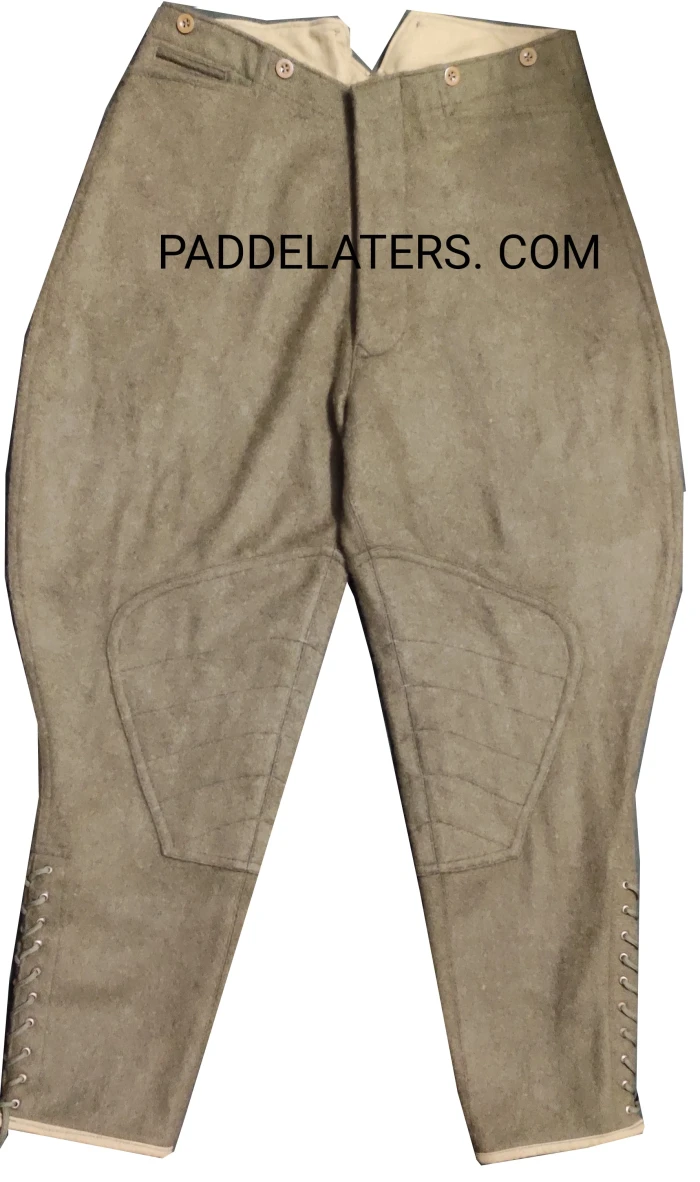
- Authentic Uniform (M1917 helmet, tunic, breeches)
- Rifle (non-firing replica or blank-adapted M1903 Springfield)
- Web gear (canteen, cartridge belt, haversack)
- Boots (1917 trench boots or WWII Corcoran jump boots)
Where to Buy:
- Reputable Vendors
- What Price Glory
- At the Front
- Hessen Antique
- Facebook Groups / Forums
- Great for secondhand, vetted by other reenactment.
- Events & Swaps
- Attend reenactment events with trade tents.
🧠 Pro Tip: Search for gear under terms like “war reenactment supplies” and always verify historical accuracy with your unit leader.
📚 German Propaganda During WW1: A Powerful Weapon
While the U.S. ramped up industrial efforts, German propaganda during WW1 sought to undermine Allied morale and sway neutral powers.
How It Worked:
- Leaflets dropped on enemy lines
- Posters targeting enemy civilians
- Deceptive news stories in foreign media
Why It Matters Today:
- Helps reenactment and historians understand the psychological warfare involved.
- Influences how both WWI and WWII are portrayed in reenactments, especially when displaying opposing perspectives.
🪖 US Marine Corps 1812 to WWI: A Lineage of Valour
Though the US Marine Corps 1812 is most often associated with the early republic, by WWI, Marines were battle-hardened warriors, earning fame in Belleau Wood, where they stopped a major German advance.
Notable Traits:
- Highly disciplined
- Elite marksmanship
- Powerful esprit decorpse
Modern-day reenactment often trace lineage uniforms from 1812 through WWI to WWII — showing evolution in gear, tactics, and doctrine.
🔍 Current Trends in Reenactment WW2 & WWI Circles
- Digital Archives & Augmented Reality
- Apps like “WWI Virtual Trenches” bring history to life.
- More Inclusive Narratives
- Highlighting roles of minorities, women, and medics.
- Crossover Reenactments
- WWI and WWII portrayed in a single event to show continuity.
- Focus on Educational Impact
- Schools, museums, and local historical societies now host events more regularly.
🎯 Actionable Advice for Beginners
If you're new to this world, start with small steps and a passion for learning:
- Read a soldier’s diary — this gives emotional depth to your persona.
- Volunteer at a local event before investing in gear.
- Watch documentaries focused on dough boys WWI to grasp the mindset.
🔍 Always strive to honour history, not just wear it.
🧭 Conclusion: Why WWI American Military History Still Matters — and What You Can Do
Reenactment WW2 and WWI scenes aren’t just about uniforms — they’re about honouring real sacrifice, teaching history, and keeping these memories alive.
Whether you're portraying dough boys WWI, studying German propaganda during WW1, or investing in war reenactment supplies, your journey keeps this powerful history from fading.
REQUISITION RELATED GEAR

EXPLORE MORE FIELD REPORTS
Browse all published guides and history articles.
