A DEEP DIVE INTO THE WWI US UNIFORM: DISCOVER THE GEAR OF THE BRAVE SOLDIERS
Introduction
Did you know that the United States issued more than 7 million uniforms during World War I? The WWI US uniform wasn’t just a symbol of national pride—it was also a vital piece of equipment for soldiers who faced the harsh realities of war. If you're interested in the uniforms of WWI US soldiers, you’re in the right place! This article will walk you through the fascinating history of the WWI US uniform, its design, and what makes it so iconic. You’ll also discover actionable steps for understanding and acquiring uniforms, common pitfalls to avoid, and current trends in collecting WWI military gear.
What Makes the WWI US Uniform Unique?
The US military’s uniform during World War I underwent significant changes to meet the demands of the war. The WWI US uniform was built for practicality, comfort, and protection, given the challenging conditions soldiers faced in the trenches. Understanding the unique features of these uniforms is the first step toward appreciating their historical significance.
Key Features of the WWI US Army Uniform
The US Army’s WWI uniform was designed to offer functionality, durability, and protection. Here are the standout features of the iconic uniform:
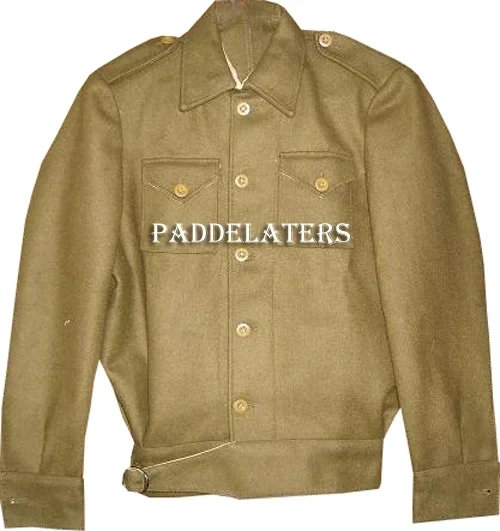
- M1912 Wool Uniform: Soldiers typically wore a woolen jacket and trousers, known for their warmth and durability. The fabric helped insulate soldiers during harsh winters in Europe.
- M1917 Brodie Helmet: Known for its distinctive shape, this helmet protected against shrapnel and debris. It’s often associated with the American soldiers’ look in WWI.
- Tunic and Breeches: The standard issue included a tunic and breeches that were designed to be practical for trench warfare and offered a clean, uniform appearance.
- M1910 Pack and Equipment: Along with the uniform, soldiers were issued a backpack and other essential gear to carry their supplies during lengthy battles.
The WWI US Navy Uniform
Unlike the army, the US Navy’s uniform had its own distinct look. While similar in purpose, the Navy’s uniform reflected the more maritime environment soldiers found themselves in. Key features included:
- Navy Blue Wool: The color signified tradition and practicality for sailors working in wet, cold conditions.
- The Dixie Cup Hat: This was a signature piece of the US Navy uniform, a white hat with a flat top, symbolizing a sailor’s identity.
- Belted Overalls: These were designed to fit snugly around the waist to prevent sailors from getting tangled in ropes or machinery.
How Many Uniforms Did WWI US Soldiers Get?
If you’ve ever wondered, how many uniforms did WWI US soldiers get? The answer might surprise you! While each soldier was initially issued one full uniform, they were given additional items over time to ensure readiness for the battlefield.
- Initial Issue: Soldiers typically received one set of uniform clothes, including a tunic, trousers, boots, a woolen cap, and other accessories.
- Additional Uniforms: Depending on the duration of service and conditions on the front lines, soldiers often received replacement uniforms. For instance, the wet conditions of the trenches led to uniforms becoming soggy and damaged. Soldiers in muddy areas were given replacements to stay clean and functional.
Understanding the Evolution of the WWI US Uniform
The design of the US Army and Navy uniforms evolved significantly during the war. Soldiers in Europe faced brutal conditions, so their uniforms had to adapt to meet the changing needs of the battlefield. Here's how the evolution unfolded:
Early 1917: The First Look at the Standard Uniform
When the US entered the war in 1917, soldiers were primarily issued British-inspired uniforms. However, the US military quickly shifted to designing its own. This led to the development of the M1912 uniform, which was a blend of functionality and comfort.
The Addition of Protective Gear
With the rise of trench warfare, gas attacks, and aerial bombardment, soldiers needed more protective gear. The M1917 Brodie helmet was a revolutionary change, providing better protection against shrapnel and other hazards in the trenches. Additionally, soldiers were issued gas masks and special coats to protect against the elements.
Later in the War: Specialized Uniforms
By 1918, the US Army began to issue specialized uniforms for different roles. For example, machine gunners, snipers, and officers received uniforms designed specifically for their needs. This made the gear more effective and helped soldiers maintain morale.
Current Trends in WWI US Uniform Collecting
If you're interested in collecting WWI US uniforms, you may have noticed that demand for vintage military gear has surged in recent years. The market for WWI US uniforms is not just about owning a piece of history but also appreciating the craftsmanship and design that went into creating these pieces of military gear.
Here are some current trends in the collecting world:
- Vintage Gear Revival: Many collectors focus on acquiring original uniforms, which are often sought after for their historical value. These items are available at auction houses, antique shops, and through specialized dealers.
- Replicas and Custom Builds: Given the high cost of original items, many collectors opt for high-quality replicas. Modern tailors create WWI US uniforms to a historical standard, allowing collectors to wear the gear while preserving the originals.
- Restoration of Old Uniforms: For those who have inherited or acquired damaged uniforms, restoration is a popular trend. Specialists can repair and restore uniforms to their former glory, making them valuable historical pieces.
Actionable Tips for Collectors
If you’re interested in acquiring a WWI US uniform or adding one to your collection, here are a few steps to guide you:
- Do Your Research: Understand the key differences between the various types of uniforms—such as the US Army vs. US Navy WWI uniform—and their specific design features.
- Check Provenance: Authenticity is key when it comes to military collectibles. Ensure the uniform you purchase has proper provenance, which documents its history and origin.
- Start Small: If you’re beginning, consider starting with accessories, like buttons, belts, or insignia. These smaller pieces can provide a historical insight into the larger uniform while being more affordable.
- Attend Military Gear Shows: Military collectors' conventions are a great way to meet dealers and enthusiasts, learn more about the uniforms, and find rare items.
Common Pitfalls to Avoid
- Overpaying for Reproductions: Some collectors mistakenly purchase reproductions at the price of original items. Be sure to check the authenticity of any uniform before making a purchase.
- Neglecting Care and Preservation: Military uniforms, especially vintage ones, require special care. Improper storage or cleaning can damage the fabric and degrade the item’s value.
- Not Verifying Rarity: Not all WWI US uniforms are equal in value. Some were mass-produced and are more common, while others, especially those worn by officers or soldiers in rare roles, are far more valuable.
Conclusion: Preserving History and Collecting the WWI US Uniform
The WWI US uniform is not just a piece of clothing; it's a reminder of the bravery and resilience of the soldiers who wore it. Whether you're a history enthusiast, a collector, or someone fascinated by the gear of World War I, understanding these uniforms is crucial in preserving their legacy.
By doing thorough research, avoiding common pitfalls, and embracing the current trends in military collecting, you can build a meaningful collection that honors the past while continuing to inspire future generations.
REQUISITION RELATED GEAR
EXPLORE MORE FIELD REPORTS
Browse all published guides and history articles.
