THE ESSENTIAL GUIDE TO AUTHENTIC WW1 US UNIFORMS & M1912 TUNICS
Introduction: The Struggle for Authenticity
For history buffs, collectors, and reenactors alike, the pursuit of an authentic World War I US uniform—particularly the iconic M1912 US Army tunic—is more than just a passion; it’s a quest for accuracy. As the popularity of WW1 reenactments and historical collections has soared, so too have the challenges in finding truly authentic pieces. The market is flooded with replicas, and while some are well-made, others fall short in terms of historical accuracy. This creates a real dilemma for anyone serious about their collection. The problem is clear: how do you tell the difference between an authentic WW1 US uniform and one that’s merely a good-looking imitation?
In this post, we’ll dive into what makes an authentic WW1 US uniform so special, the unique features of the M1912 tunic, and how you can avoid the frustration of buying a replica instead of the real deal.
Features of Authentic WW1 US Uniforms (Including the M1912 Tunic)
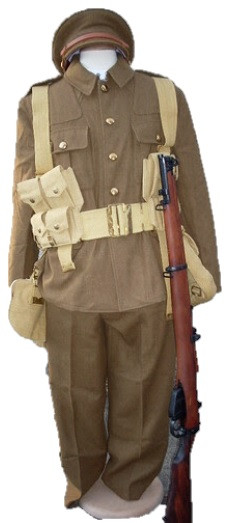
When it comes to WW1 US uniforms, authenticity isn’t just about the look; it’s about the details. The M1912 US Army tunic is one of the most iconic items in this category, and it exemplifies the quality and craftsmanship of the time. So, what exactly should you be looking for to ensure you’re getting an authentic piece?
1. Fabric & Material
Authentic M1912 tunics were made from wool, which has a distinctive texture and weight that sets it apart from modern synthetic fabrics. The wool used was often dyed in a shade of olive drab that was darker than what you’ll find in today’s replicas. If the fabric feels too light, too shiny, or off-color, it’s likely a reproduction.
2. Construction & Stitching
The stitching in an authentic WW1 US Army uniform is another important clue. The original tunic features strong, tight stitching with a distinctive pattern, often in a contrasting color that’s a little more noticeable than what you see in today’s mass-produced versions. Look closely at the seams and the quality of the finishing work. Authentic pieces were hand-stitched with a high level of craftsmanship—something mass-produced replicas often lack.
3. Buttons and Patches
The buttons on the M1912 tunic are another clear sign of authenticity. Genuine buttons are made from brass and feature specific engravings that match the time period. They should feel heavy and solid in your hand. The patches, including the eagle insignia on the collar and any rank insignia, should also be meticulously sewn on and show signs of wear if the piece is genuinely used.
4. Cut & Fit
The cut of the M1912 tunic was designed for functionality, with a more tailored fit than the looser, boxier cuts of earlier uniforms. Pay attention to how the tunic fits and whether it has a natural drape. Authentic tunics often feature a somewhat more structured and less “saggy” design. If it feels too loose or poorly shaped, it may be a replica.
Pros & Cons of Authentic WW1 US Uniforms
Now that you know what to look for, let’s take a look at the pros and cons of owning an authentic WW1 US uniform, especially for collectors and reenactors.
Pros:
- Historical Accuracy: The biggest advantage of owning an authentic WW1 US uniform is the accuracy it brings to reenactments or displays. For serious collectors, authenticity is paramount. Wearing or showcasing a true-to-era piece adds depth and realism that a replica simply cannot match.
- Longevity: A well-preserved original uniform can last for decades, or even centuries. The quality materials used in the construction of these uniforms were designed to endure, and they often improve in value with time.
- Investment: Authentic WW1 uniforms, especially rare items like the M1912 tunic, can be highly valuable. If you’re looking to add a piece to your collection that might appreciate in value, an original uniform can be a smart choice.
Cons:
- Cost: Authentic WW1 US uniforms can be very expensive. With rarity and historical significance come high price tags. Collectors can expect to pay a premium, especially for items in good condition or those with particular historical value.
- Availability: Finding authentic pieces is no easy task. The market is flooded with replicas, and many originals are tucked away in private collections or held by museums. When a real one becomes available, it can be snatched up quickly by other collectors.
- Condition: Even when you find an authentic uniform, it may not be in perfect condition. You’ll need to be prepared to deal with some wear and tear, such as frayed edges or faded patches. While this adds to the authenticity, it can be frustrating for collectors looking for pristine items.
FAQs: What You Need to Know About Authentic WW1 US Uniforms
1. How can I tell if a WW1 US uniform is authentic?
Look for key signs like original buttons, wool fabric, hand stitching, and accurate insignia. If the fabric feels synthetic or the stitching looks too clean and machine-made, it’s probably a replica.
2. Are there any reliable sources for buying authentic uniforms?
Reputable auction houses, antique dealers, and specialized WW1 militaria stores are your best bets. Websites like eBay can be hit or miss, so it’s essential to verify the seller’s credibility.
3. What should I expect to pay for an authentic M1912 tunic?
Prices can vary greatly depending on condition and rarity, but expect to pay anywhere from $300 to $2,000 for a genuine M1912 tunic. Rare or well-preserved pieces can fetch even higher prices.
4. Can I wear an authentic WW1 uniform for reenactments?
Yes, but it’s essential to care for it properly. Wearing an original uniform in a reenactment can cause irreversible damage, so some reenactors prefer using replicas for practical purposes and saving the originals for display.
Real-World Example: A Collector’s Story
Take the story of Mike, a passionate WW1 reenactor and collector from Ohio. Mike has spent over a decade scouring flea markets, auctions, and militaria shows for original WW1 items. After years of searching, he found an authentic M1912 US Army tunic in near-perfect condition at a local auction. The thrill of owning such a rare piece of history was unmatched.
However, Mike didn’t rush into his purchase. He knew the risks of buying a fake, so he took the time to learn about the telltale signs of an authentic uniform. He scrutinized the fabric, checked the buttons, and even examined the stitching under a magnifying glass. In the end, Mike’s patience paid off. His purchase not only added value to his collection but also gave him an invaluable historical artifact to wear during reenactments.
Conclusion: The Value of Authenticity
Whether you’re a collector, reenactor, or just a history enthusiast, the allure of an authentic WW1 US uniform is undeniable. The M1912 tunic, with its distinctive features and historical significance, serves as a tangible connection to the past. While the pursuit of such uniforms can be daunting, the rewards are well worth the effort. By understanding what makes these uniforms special, and by knowing where to look and what to avoid, you can ensure that your next acquisition is as authentic as it gets.
For anyone serious about WW1 history, the key is to approach your search with patience and a keen eye. Authenticity may come with a higher price tag, but it brings with it the satisfaction of owning a piece of history that truly tells the story of the brave soldiers who wore it.
REQUISITION RELATED GEAR

EXPLORE MORE FIELD REPORTS
Browse all published guides and history articles.
