WORLD WAR 1 UNIFORMS USA VS SPANISH AMERICAN WAR UNIFORMS: KEY DIFFERENCES EXPLAINED.
Introduction:
Did you know that over 4 million Americans served in World War I, each issued a uniform that helped define an era of military style and practicality?
Whether you’re a history enthusiast, collector, or aspiring reenactor, understanding the WW1 US uniform is key to appreciating its role in both historical legacy and modern-day commemoration. From the sturdy wool service coats to the iconic world war one jackets, this article unpacks everything you need to know—complete with practical tips, current trends, and how to avoid rookie mistakes when diving into WW1 history.
Let’s gear up and march into the past.
What Made the WW1 US Uniform Unique?
A Mix of Function and Formality
- Material: Heavy wool was used for warmth and durability.
- Color: Olive drab replaced the blue of earlier wars, making camouflage more practical.
- Design: Influenced by both British and French styles, but uniquely American in its evolution.
The WW1 US uniform symbolized the transition from traditional to modern warfare—ditching fancy brass buttons and bright colors for more practical gear suited for trench life.
Components of a Standard WW1 US Uniform
1. The Wool Service Coat (World War One Jacket)
- 4-pocket design
- Brass buttons with US insignia
- High collar or open-collar variations (depending on year issued)
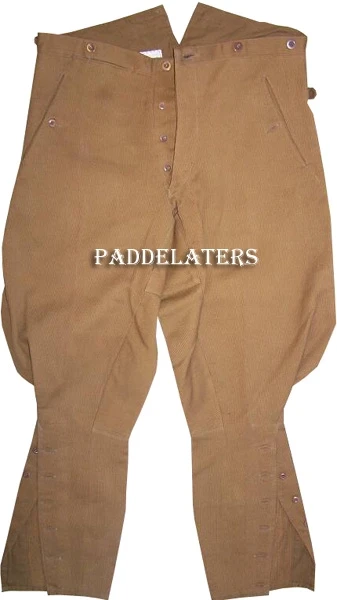
2. Trousers
- Breeches-style
- Wool matching the service coat
- Worn with puttees or leather leggings
3. Headgear
- M1917 “Brodie” Helmet (steel)
- Overseas cap (soft wool)
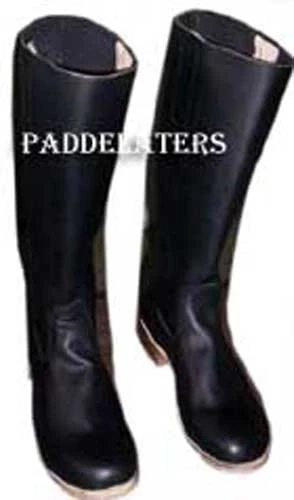
4. Footwear
- Hobnail boots
- Leggings or puttees to keep out mud
5. Accessories & Gear
- M1910 haversack
- Canteen with cover
- First aid pouch
- Enlisted belt
- Springfield rifle cartridge belt
Each item served a purpose—and understanding that purpose is vital for accurate collecting or reenacting.
Actionable Guide: Assembling an Authentic WW1 US Uniform
Whether you're getting ready for a WW1 reenactment event or creating a historical display, here’s how to get started.
Step 1: Start with Core Items
- Look for reputable suppliers like At the Front, Soldier of Fortune, or What Price Glory.
- Prioritize getting the service coat and trousers first—they’re your foundation.
Step 2: Choose Authentic or Reproduction
- Originals: Rare, expensive, fragile—best for collectors.
- Reproductions: More practical for reenactments, durable, affordable.
Step 3: Don’t Skip the Small Stuff
- A historically accurate uniform is all about the details:
- Collar discs (U.S. and branch)
- M1917 helmet liner
- Garrison cap piping color (red for artillery, blue for infantry)
Step 4: Match the Era
- Early war = high collars
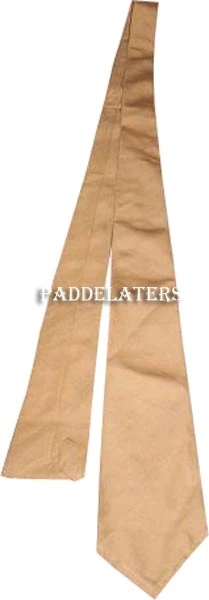
- Late war = open collars with shirt and tie
- Know your unit's timeline to get it right
WW1 US Uniform for Reenactment: Practical Tips & Pitfalls
✅ What to Do
- Join a unit: Many reenactment groups specialize in specific divisions.
- Train in gear: Reenacting in full wool uniform isn't easy—get comfortable in it.
- Learn the drills: Movement, posture, and voice commands matter.
❌ Avoid These Mistakes
- Mixing WW1 gear with Spanish American War uniforms (common for new collectors)
- Wearing modern boots or gear under the uniform
- Using fantasy items or inaccurate accessories—accuracy is everything
Spotlight: WW1 Flying Jacket and Aviation Uniforms
If ground soldier uniforms fascinate you, wait until you explore the WW1 flying jacket—a true symbol of early aviation daring.
- Typically made of leather or sheepskin
- Designed for open-cockpit flying
- Often worn with goggles and leather helmets
Where to Find Them
- Vintage stores and auctions
- Specialty reenactment gear suppliers
- Reproductions are highly recommended for affordability
Current Trends in WW1 Reenactment Equipment
The popularity of WW1 reenactment equipment has grown in recent years thanks to:
- Centennial commemorations
- Increase in historical documentaries
- Online communities and Facebook groups dedicated to WW1
Trending Items:
- Custom name tags on reenactment gear
- Digitally aged service coats for authenticity
- Replicas of rare units like the Harlem Hellfighters or US Tank Corps
Crossover Collecting: WW1 vs Spanish American War Uniforms
Many beginners confuse WW1 US uniforms with Spanish American War uniforms. While they share similarities (both used wool and similar color palettes), key differences include:
FeatureWW1 US UniformSpanish American War UniformEra | 1917–1918 | 1898
Helmet | M1917 Brodie | Campaign hat
Jacket | 4-pocket wool coat | Sack coat or frock coat
Gear | Modernized packs, belts | Simpler field gear
Tip: Check buttons, tags, and tailoring to confirm the correct era.
Preserving and Storing Your Uniform Collection
If you're a collector, maintaining your uniforms is just as important as acquiring them.
Storage Tips:
- Keep in a cool, dry place away from sunlight
- Use acid-free boxes or garment bags
- Avoid hangers for older coats—they stretch the shoulders
Cleaning Tips:
- Never wash originals in water
- Light brushing and airing out is usually enough
- Consult a textile conservator for rare items
Conclusion: Why the WW1 US Uniform Still Matters Today
The WW1 US uniform is more than historical clothing—it’s a living link to a generation that helped shape the 20th century. Whether you're drawn to the detail of the world war one jacket, the heroics tied to the WW1 flying jacket, or the broader experience of American soldiers, exploring this field opens up a world of discovery.
REQUISITION RELATED GEAR
EXPLORE MORE FIELD REPORTS
Browse all published guides and history articles.
