GERMAN ARMY FIELD UNIFORMS: FEATURES & BUYING TIPS
Introduction: Understanding the German Army Field Uniform
For collectors, reenactors, and military history enthusiasts, the German Army field uniform represents a key piece of history. These uniforms, worn by soldiers during both World Wars, have become iconic symbols of military culture. Whether you’re interested in purchasing an authentic German army uniform replica or simply want to learn more about their historical significance, understanding the features and details of these uniforms is essential. This blog post will walk you through the main aspects of these uniforms, why people seek them, and what to consider when buying one for personal use or historical reenactments.
The Problem: Finding Authentic German Army Field Uniforms
One of the most significant challenges for collectors and reenactors is finding high-quality, authentic German Army field uniforms. Over the years, numerous replicas and imitations have flooded the market, making it difficult to differentiate between genuine historical pieces and mass-produced imitations. Collectors often face frustrations when they purchase uniforms that are poorly made or inaccurate in terms of historical detail.
For reenactors, authenticity is key. Wearing a uniform that lacks the correct materials, design, or historical accuracy can detract from the experience and misrepresent the past. This can be especially problematic when participating in events, where attention to detail is a crucial part of the reenactment. In addition, the pricing of these uniforms can vary significantly, further complicating the decision-making process.
Agitate: The Frustration of Inaccurate Uniforms and Misleading Sellers
Imagine spending hours researching German Army field uniforms, only to find that the replica you purchased doesn't match historical standards. Whether it’s the wrong color pattern, inaccurate stitching, or poor-quality fabric, a subpar uniform can ruin the entire reenactment experience. For collectors, an inaccurate uniform undermines the value of their collection.
Moreover, the lack of clear product descriptions and inaccurate online reviews can leave potential buyers in a vulnerable position. In the world of military uniform replicas, not all sellers are committed to providing an authentic experience. With the surge in interest around military history, some manufacturers focus more on profit than on creating historically accurate products. This leaves enthusiasts with the difficult task of finding reliable sellers who offer genuine, well-crafted replicas that truly reflect the quality and precision of the original uniforms.
Solution: Finding High-Quality German Army Field Uniforms
To ensure you’re getting a historically accurate German Army field uniform, it’s essential to do your research. This means finding reputable suppliers who specialize in military replicas, understanding the specific features of the uniforms, and learning how to spot quality materials and craftsmanship. Let's break down what to look for in a German Army field uniform.
Features of German Army Field Uniforms
The German Army field uniform is a symbol of military precision and craftsmanship, evolving over time, particularly during World War I and World War II. Key features of these uniforms are not only visually distinctive but are also representative of the era in which they were used. Here’s a detailed look at the main aspects of the uniform.
1. The M40/43 Field Tunic (WWII)
The M40 and M43 were among the most iconic designs of WWII German uniforms.
- Design & Fabric: The M40 field tunic was made of Feldgrau (field gray) wool, a practical fabric that provided warmth in winter while being breathable in warmer conditions. The M43 version, introduced in 1943, made adjustments to the fit and features for better utility and comfort.
- Shoulder Straps and Buttons: The tunic had shoulder straps that were used for rank insignia, with metal buttons. These uniforms were functional and durable, intended to withstand harsh battlefield conditions.
- Distinctive Look: The M43 featured a simpler cut compared to the M40, which had more complex pockets and design elements. This change was a result of the need for simpler, more cost-effective designs during the war.
2. German Army Camouflage (Splinter Pattern)
One of the most recognized elements of German Army uniforms was their camouflage pattern. The “splinter” camo design, first used in 1931, was a revolutionary step in military uniform design.
- Historical Context: The design was a response to the need for better concealment on the battlefield. It’s made up of irregular geometric shapes in shades of green, brown, and beige, making it suitable for both woodland and field environments.
- Replica Camouflage: Modern replicas often offer this camouflage in various fabric types, including cotton and modern polyester blends for durability. However, accuracy in replicating the color scheme and texture is vital for authenticity.
3. Trousers and Accessories
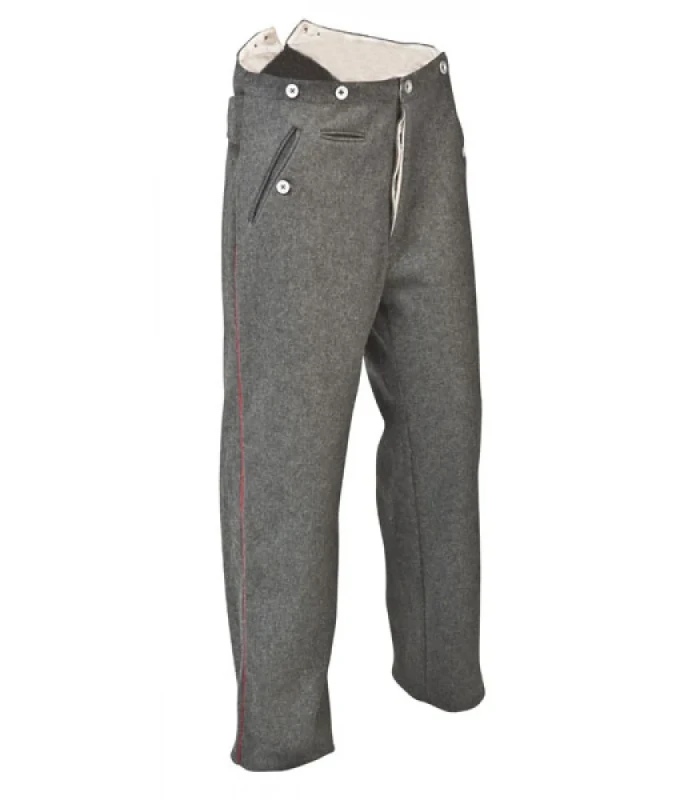
The trousers were typically made from the same wool fabric as the tunic and were designed for comfort and practicality. They often featured reinforced knees for additional durability.
- Breeches vs. Trousers: While trousers were standard for most German soldiers, some units, such as the Luftwaffe or Wehrmacht officers, wore specific styles of breeches, which were designed to be worn with tall leather boots.
- Boots: The famous black leather boots, known as “Jackboots,” were part of the uniform, providing ankle support and protection in combat. Modern replicas often use synthetic leather, though high-end replicas may use genuine leather for authenticity.
Pros & Cons of Purchasing German Military Uniform Replicas
While the market for German Army field uniforms is vast, buying a replica can have its pros and cons. Understanding these can help you make a more informed decision.
Pros
- Historical Accuracy: Authentic replicas are ideal for reenactors looking to create a truly immersive experience.
- Durability: High-quality replicas are made from materials that replicate the original uniforms' durability, which is crucial for outdoor events or exhibitions.
- Collectible Value: A well-crafted replica can increase in value over time, especially if it’s tied to a particular historical period or unit.
- Variety of Options: From WWII to WWI, different German military uniforms are available, catering to various needs and interests.
Cons
- Price: High-quality replicas can be expensive, especially when purchased from specialty stores or renowned brands.
- Authenticity Issues: As mentioned, not all sellers produce accurate replicas, so you might end up with a piece that doesn’t match historical standards.
- Comfort: Some modern replicas may not provide the same level of comfort as original uniforms, as the fabrics may not be as breathable or soft.
Real-World Example: German Military Uniforms in Reenactments
One of the best ways to see German Army field uniforms in action is through historical reenactments. These events allow enthusiasts to wear replicas of the uniforms, participating in battles and historical simulations. For example, the Battle of the Bulge reenactment held in Belgium each year attracts hundreds of reenactors who wear meticulously detailed German Army uniforms, recreating key moments from WWII.
Many of these reenactors rely on replicas to ensure accuracy. Vendors like At the Front and WarHats have made a name for themselves in the reenactment community, offering top-tier German Army uniforms that meet historical standards.
Frequently Asked Questions
1. How can I tell if a German Army field uniform is authentic?
Look for specific features such as correct fabric types (wool for M40 and M43 tunics), accurate button details, and correct camouflage patterns. Reputable sellers will provide detailed product descriptions and authenticity certificates.
2. Where can I buy German Army military uniforms online?
Several online stores offer German Army field uniform replicas, including At the Front, WarHats, and Militaria. Always check reviews and confirm the authenticity of the seller.
3. Are there German Army uniforms from both WWI and WWII?
Yes, replicas of both WWI and WWII German Army uniforms are available. WWI uniforms are quite different, featuring earlier designs like the Pickelhaube helmet and the M1915 tunic.
4. What should I consider when buying a replica uniform?
Look for material authenticity, accuracy in design, and quality of craftsmanship. It’s also worth considering your purpose—whether it’s for reenactment, collection, or display.
5. How much do German Army uniforms cost?
Prices range from $100 to $500 or more, depending on the level of detail and authenticity. High-quality replicas from reputable brands are more expensive.
Conclusion: Embrace History with a German Army Field Uniform Replica
German Army field uniforms offer a fascinating glimpse into military history. Whether you’re a collector, reenactor, or history enthusiast, understanding the features and benefits of these uniforms is crucial when deciding to purchase a replica. Always be mindful of the differences between authentic historical pieces and mass-produced imitations. By doing so, you can ensure your uniform reflects the true quality and history of the German Army.
REQUISITION RELATED GEAR

EXPLORE MORE FIELD REPORTS
Browse all published guides and history articles.
