UNCOVERING HISTORY: A GUIDE TO WW1 UNIFORMS, AUSTRALIA, AND WW2 MILITARY DRESS
Introduction: Do You Know What Soldiers Wore at Gallipoli?
Did you know that the average Australian soldier’s uniform in WW1 weighed over 30 kg when fully equipped? From the scorching deserts of the Middle East to the muddy trenches of the Western Front, what Australian soldiers wore shaped not just their comfort, but their survival.
Understanding the Australian military uniform isn’t just about nostalgia—it’s about preserving a vital part of our national identity. Whether you're a collector, a reenactor, or a WW1/WW2 enthusiast, this guide will walk you through everything you need to know about WW1 uniforms in Australia and the evolution into Australian World War 2 dress uniforms.
The Essentials of WW1 Uniforms Australia
WW1 uniforms in Australia were crafted for rugged utility but also carried a distinct identity. Designed for long campaigns, harsh environments, and limited resources, they’re a fascinating blend of practicality and history.
Key Features of the Australian World War 1 Uniform
- Slouch Hat: The iconic wide-brimmed felt hat with the turned-up side was not just fashionable—it was functional. It provided sun protection and distinguished Aussies on the battlefield.
- Khaki Drill Tunic: Made from wool, these were heavy and warm, suitable for European climates but brutal in the desert.
- Puttees: Long cloth strips wrapped around the lower leg for protection against mud and insects.
- Webbing and Gear: Soldiers carried everything from rations to ammo in webbing—gear made from canvas and leather.
Actionable Steps for Identifying WW1 Uniforms
- Check Buttons and Badges: Authentic WW1 tunics will have regimental insignia and brass buttons, often dated or stamped.
- Material and Cut: Look for thick wool, a tailored waist, and reinforced elbows.
- Color Consistency: Original items may show fading—this is a good sign of age and authenticity.
Pitfalls to Avoid
- Fake Reproductions: Many commercial items look similar to originals. Check provenance and stitching styles.
- Neglecting Storage Conditions: Old wool is susceptible to moths. Always store in breathable, sealed garment bags.
- Assuming All Khaki is WW1: WW2 uniforms often reused similar tones. Details like tunic cut and pocket style make the difference.
From Gallipoli to Kokoda: The Evolution of WW2 Australian Dress Uniforms
By World War 2, the Australian military uniform had evolved dramatically, incorporating lessons from the previous war while adapting to new battlefields.
The Modernization of Australian World War 2 Dress Uniform
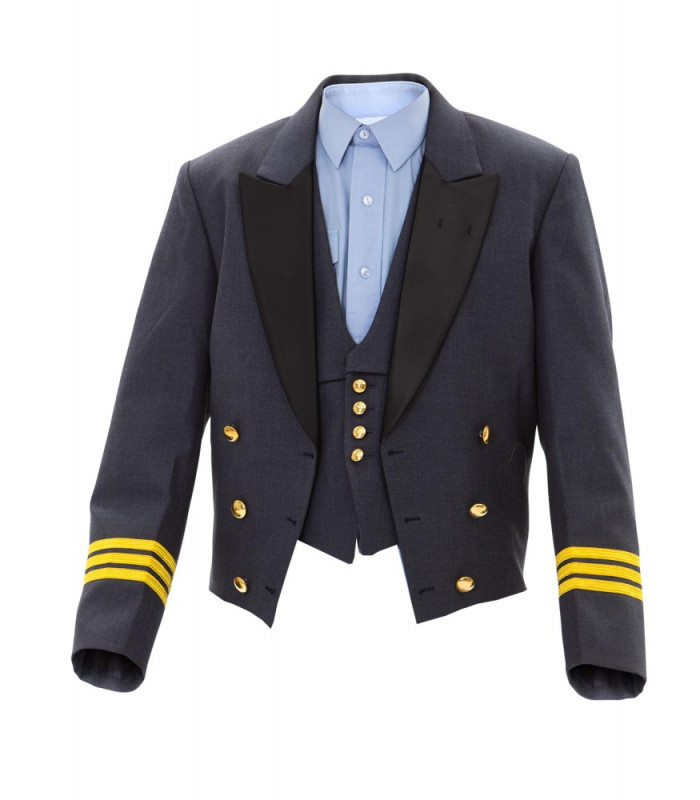
- Service Dress Jacket: Fitted and often accompanied by a tie for formal occasions. Officers' uniforms were tailored and more refined.
- Khaki Drill and Jungle Greens: Depending on the theater, soldiers wore either light khaki drill uniforms or tropical "jungle greens" for the Pacific campaign.
- Steel Helmet: Replacing the soft caps of WW1, the Brodie helmet became standard issue for combat.
- Insignias and Patches: More diverse and colorful, indicating division, battalion, and service branch.
Actionable Tips for WW2 Uniform Collectors
- Look for Theater-Specific Modifications: Uniforms from the Pacific often had alterations for humidity and heat.
- Compare Stitching and Labels: Authentic WW2 Australian uniforms often carry military labels with date stamps and sizing.
- Research the Unit: Many uniforms can be traced to specific regiments or battles with thorough research.
Current Trends in Collecting WW2 Uniforms
- Increased Demand for Jungle Greens: Rarer due to fabric degradation, especially popular with reenactors.
- Digital Archiving: Museums and private collectors now use 3D scans and metadata tagging for preservation.
- Hybrid Display Builds: Mixing original and reproduction pieces for more accessible educational exhibits.
Preserving Your Collection: Care and Display Tips
Whether you’re buying your first Australian World War 2 dress uniform or inheriting a piece of WW1 history, preservation is key.
Storage Best Practices
- Store in cool, dry, dark conditions.
- Avoid plastic bags—use acid-free tissue paper and cotton garment bags.
- Use padded hangers to maintain the tunic's shape.
Display Tips
- Rotate display pieces to avoid light damage.
- Use mannequins for full uniforms, but ensure minimal stress on seams.
- Always document provenance—keep a written or digital record of each item’s history.
Common Pitfalls to Avoid When Buying or Selling
- Overpaying for Incomplete Sets: Many items are missing insignias or original buttons—check carefully before buying.
- Misidentifying Ranks or Regiments: Learn insignia differences to ensure accurate identification.
- Buying Online Without Verification: Always ask for high-resolution images, interior shots, and labels.
Conclusion: Preserving the Past, One Uniform at a Time
Australian military uniforms are more than garments—they are threads woven into the fabric of history. From the dusty fields of Gallipoli to the humid jungles of New Guinea, each stitch tells a story of courage, resilience, and identity.
Whether you're just starting or you're a seasoned collector, understanding the evolution from WW1 uniforms in Australia to the Australian World War 2 dress uniform will deepen your appreciation of our military heritage. Start small, research thoroughly, and always respect the past.
REQUISITION RELATED GEAR

EXPLORE MORE FIELD REPORTS
Browse all published guides and history articles.
