THE IMPACT OF THE M1917 HELMET ON US ARMY SOLDIERS.
The German Soldier Uniform WW1 Army Combat Uniform: Unveiling the Fascinating History of WWI US Army Uniforms
When you think of the attire worn by soldiers during World War I, the mind often races to the iconic German soldier uniform, WW1 army combat uniform or the imposing British and American uniforms. But the US Army uniform during World War I holds a unique place in history, symbolizing both bravery and the transformative nature of warfare. If you're passionate about military history, particularly World War I, understanding the evolution of the uniforms worn by the US Army offers a fascinating insight into the culture and technology of the time.
Did you know that the clothing designs of the Spanish-American War influenced the first WWI US Army uniforms? This is just one of many intriguing facts about WWI US uniforms that could change the way you look at these iconic pieces of history.
Whether you're a history enthusiast, collector, or researcher, this article will guide you through the historical evolution of US Army uniforms during WWI, including actionable tips, common pitfalls, and trends in the collecting community. By the end, you'll have a deeper understanding of what makes these uniforms so important.
Understanding the WWI US Army Uniform: A Symbol of Change
The Design Evolution: From Simplicity to Practicality
WWI marked a significant shift in military uniform design, particularly for the US Army. Before the war, the standard army uniform was based on older, more formal designs. However, the realities of modern combat called for a more practical, functional uniform. The WWI US Army uniform featured several key elements that made it distinct:
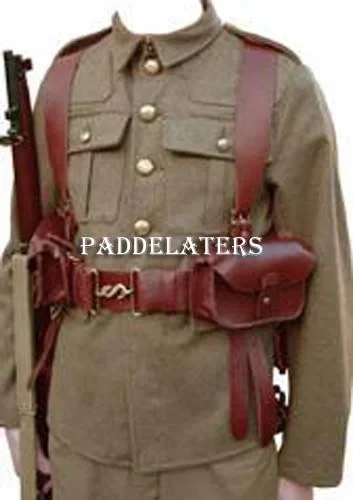
- Wool tunics: They were durable and provided warmth in harsh conditions, but were still lightweight.
- M1912 and M1917 helmets: These helmets were introduced as a response to the increased use of artillery and gas warfare. The M1917 helmet, often referred to as the "doughboy" helmet, became iconic during WWI.
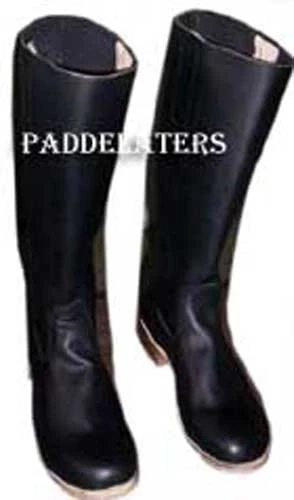
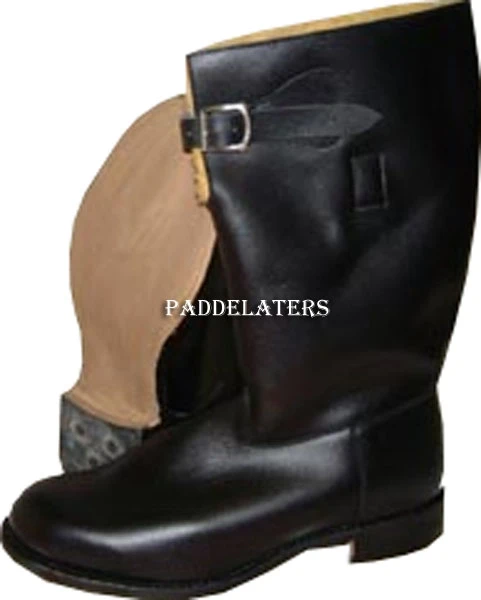
- Brown leather boots: Soldiers needed sturdy footwear to withstand long treks across muddy, dangerous terrains.
- Pants with reinforced knees: Practical features were prioritized to ensure soldiers' mobility and comfort.
The uniform designs reflected the evolution of warfare, where the need for functionality far outweighed the formal dress traditions of past military conflicts.
Key Differences Between WWI US Army and German Soldier Uniforms
The German soldier uniform, WW1 army combat uniform, and the WWI US Army uniforms were drastically different in terms of design and function. While the Germans focused more on streamlined designs with minimalistic decoration, the Americans incorporated more practical elements, as previously discussed.
- German Uniforms: The German soldier's uniform in WW1 army combat uniform typically featured a feldgrau (field grey) color, symbolizing their readiness for battle. The uniform design also included the iconic pickelhaube helmet, which was later replaced by the more practical Stahlhelm helmet during the war.
- US Army Uniforms: In contrast, the US Army uniform was designed to suit different types of warfare. The uniform's colors were predominantly khaki, blending in with the environment. The overall design was functional, allowing soldiers to move freely in various battle conditions.
Understanding these key differences helps to appreciate the unique elements of each country's military style during the war.
The Role of the Female Marine Officer Uniform in World War I
The Evolution of Women's Roles in Combat
World War I wasn’t just about men in the trenches—women played an essential role in supporting the war effort. The US Marine Corps and Navy made history by allowing women to serve in various capacities. One notable uniform from this period was the female marine officer uniform, which was worn by the first generation of women serving in the military.
This uniform included:
- A dark blue coat with brass buttons
- A skirt and blouse combo
- A distinct service hat
Women in the military, particularly in administrative and support roles, wore these uniforms with pride, breaking the gender norms of the time and marking the beginning of the growing presence of women in military service.
Why Women’s Military Uniforms Matter Today
The uniforms worn by female officers during WWI weren’t just functional; they marked a social and cultural shift. Today, they continue to serve as a symbol of progress and equality in military history.
The Role of Navy Corpsman Marine Uniforms in World War I
The Vital Role of Navy Corpsmen During WWI
While the US Army took center stage on land, the Navy and Marines played an equally vital role at sea. The Navy Corpsman Marine uniform during WWI was worn by medical personnel tasked with caring for wounded soldiers. Corpsmen were often stationed with infantry and worked in perilous conditions, treating the injured on the frontlines.
The Navy Corpsman Marine uniform during WWI consisted of:
- A distinctive white hat with a red cross insignia.
- A dark blue shirt and trousers.
- Boots suited for working in wet, muddy conditions.
This uniform is crucial not only for understanding the role of medical staff in wartime but also for its symbolic importance in demonstrating the importance of healthcare in the military.
World War I Navy Uniforms: A Look at the US Navy’s Influence
The Changes in US Navy Uniform Design During WWI
The World War I Navy uniforms were distinct from those of the Army. Navy uniforms during WWI were designed with functionality in mind, allowing sailors to work in harsh maritime conditions. Key elements included:
- A sailor's collar with a distinctive white piping.
- A jumper-style shirt that provided ease of movement.
- Wide-legged trousers are designed for comfort during long shifts at sea.
The navy's uniforms also included dark blue color schemes, practical footwear, and durable materials designed to handle the wear and tear of the oceanic environment.
How Modern Navy Uniforms Reflect WWI Traditions
Interestingly, modern US Navy uniforms still draw inspiration from those worn during WWI, particularly the iconic sailor collar and jumper style. The traditional navy uniform is a nod to history and remains a key part of the US Navy's legacy.
Actionable Tips for Collecting WWI US Army and Military Uniforms
If you are interested in collecting WWI US Army and other military uniforms, it's important to know where to start and what to look for. Here are a few actionable steps:
- Research the Period: Study the history of the uniforms to understand the details of each design. Websites, books, and collectors’ forums are excellent resources.
- Inspect Authenticity: Pay close attention to labels, buttons, and stitching. Original WWI uniforms will have distinctive markers such as brass buttons and specific stitching patterns.
- Consider Condition: While rarity is important, the condition of the uniform is crucial for its value. Look for signs of wear, repairs, or alterations.
- Join a Collectors’ Community: Online groups or local collectors' associations are a great way to connect with experienced individuals who can offer advice and share resources.
Common Pitfalls in Collecting WWI Military Uniforms
While collecting WWI US Army uniforms and other military attire can be an exciting hobby, it's essential to avoid some common pitfalls:
- Overpaying for Reproductions: Some sellers may try to pass off reproduction uniforms as originals. Always ask for provenance (documentation proving authenticity).
- Neglecting Uniform Care: Storing your uniforms properly is crucial. Avoid hanging them in direct sunlight or in humid areas, as this can damage the fabric.
- Ignoring Rarity: Not all WWI military uniforms are equally valuable. Rarity is a key factor, so it's important to know which uniforms are more sought-after by collectors.
Conclusion: The Lasting Impact of WWI US Army Uniforms on Military History
The German soldier uniform, WW1 army combat uniform, and the WWI US Army uniform remain symbols of the bravery and sacrifices made during one of the most impactful wars in history. For enthusiasts, collectors, and historians, understanding the evolution of these uniforms provides a deeper connection to the past. Whether you are researching for academic purposes or starting your collection, being informed and careful can enhance your experience.
REQUISITION RELATED GEAR
EXPLORE MORE FIELD REPORTS
Browse all published guides and history articles.
