THE COMPLETE GUIDE TO WORLD WAR 1 GERMAN OFFICER UNIFORMS: HISTORY, STYLES, AND KEY TRENDS
Introduction: The Fascinating History of World War 1 German Officer Uniforms
Did you know that the design of German officer uniforms in World War 1 has influenced military fashion even in modern times? The iconic style and functional designs of the World War 1 German officer uniform are still admired by military history enthusiasts and collectors alike.
The German military's uniforms from the Great War remain an integral part of the broader study of World War 1 history. The unique combination of precision, formality, and practicality in the design has set the standard for military attire in the decades that followed. Whether you're a history buff, a collector, or fascinated by military fashion, understanding the evolution of the World War 1 German officer uniform is a captivating journey.
In this guide, we'll explore the fascinating details of the World War 1 German officer uniform, from its design features to the current trends and how collectors and enthusiasts can incorporate these pieces into their collections.
Section 1: Key Features of the World War 1 German Officer Uniform
When you think of a World War 1 German officer uniform, several key features come to mind: a tailored fit, distinct colors, and functional accessories. Below are some important aspects of the uniform that set it apart from other military outfits of the era.
1.1 Design and Materials
The World War 1 German officer uniform was designed for both form and function. The jacket was typically made of wool, and the cut was more fitted than the standard infantry uniforms, which conveyed authority and discipline. The uniform normally featured:
- Pickelhaube (spiked helmet): The iconic German spiked helmet was often worn by officers. While the Prussian-style spiked helmet was later replaced in the 1916 redesign, it remains a distinctive symbol of the era.
- Frock coat: Officers typically wore a longer, more formal jacket with epaulettes, often made from a fine wool blend.
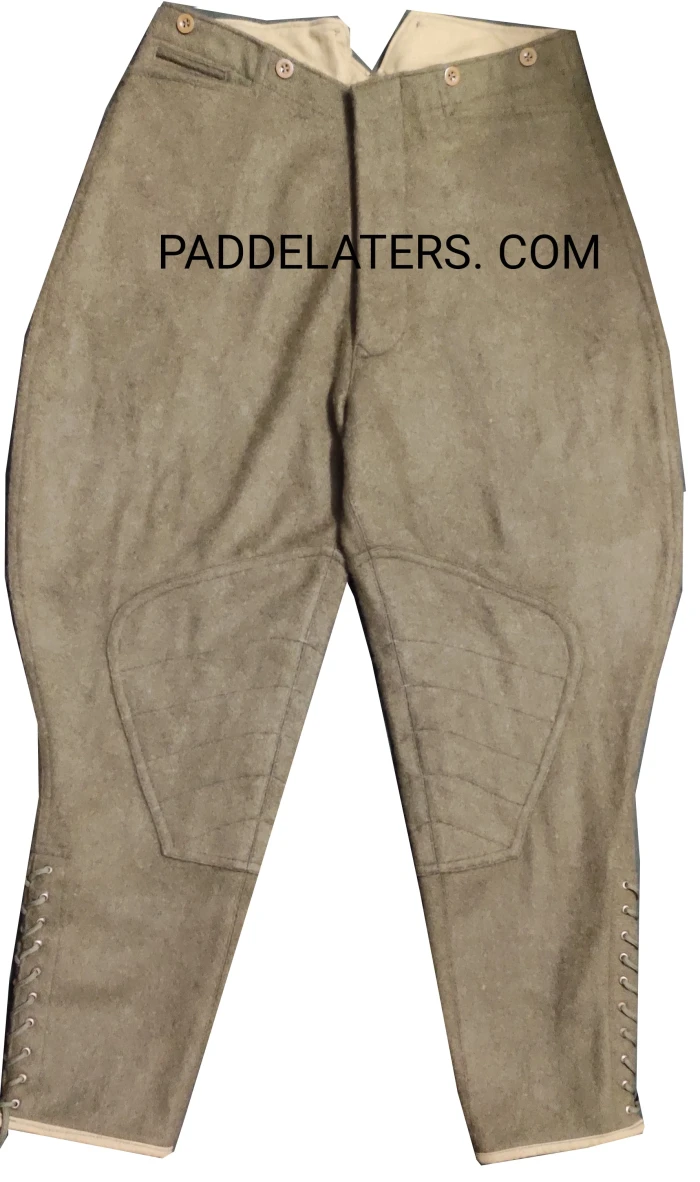
- Breeches and boots: German officer breeches were tight-fitting and often tucked into knee-high leather boots.
The colors were typically muted, with variations based on the regiment. The Prussian and Bavarian officer uniforms, for example, had different color schemes for their collar patches, cuffs, and piping.
1.2 Insignia and Rank Indicators
World War 1 German officer uniforms were distinguished by their insignia, which indicated rank and regiment affiliation. These included:
- Shoulder boards: These were braided epaulets that denoted the officer's rank. Different color and pattern configurations identified whether the officer was a lieutenant, captain, or higher rank.
- Collar patches: The color of the collar patches varied depending on the officer’s branch of service—infantry, artillery, or cavalry, for example.
These rank insignia were more elaborate than those found on the uniforms of enlisted men, further highlighting the officer's higher social and military standing.
Section 2: How to Identify Authentic World War 1 German Officer Uniforms
Authenticating a World War 1 German officer uniform can be a challenge, especially given the popularity of reproductions and the passing of time. However, there are several key steps to take when examining a potential purchase or collection piece to ensure its authenticity.
2.1 Researching the History
Understanding the specific regiments, insignia, and time periods of the uniforms is key to identifying authentic pieces. The details on the uniform, such as the color of the piping or the style of the shoulder boards, often change over time and can help indicate when a particular uniform was made.
2.2 Inspecting the Materials
Authentic World War 1 German officer uniforms were made from high-quality wool, leather, and brass. When inspecting a potential uniform, look for signs of aging on the fabric and metal components. Leather that has aged naturally and wool that feels slightly worn are signs that the piece may be authentic. Newer fabrics or synthetic materials, on the other hand, are likely indicators of a modern reproduction.
2.3 Checking for Identifiable Markings
Authentic officer uniforms often contain hidden or subtle markings such as manufacturer tags, regimental stamps, or specific stitching patterns that indicate the period of manufacture. For example, most officer uniforms will have stamps from specific German military suppliers or manufacturers of that time.
Section 3: Trends in Collecting World War 1 German Officer Uniforms
The world of historical military collecting has evolved over the years, and World War 1 German officer uniforms are no exception. While authentic pieces can be rare and expensive, the increasing interest in World War 1 memorabilia has led to certain trends in the collecting space.
3.1 Growing Interest in WW1 German Uniforms
As interest in World War 1 continues to grow, so does the demand for German officer uniforms from the era. Collectors are now looking for rarer pieces, including officer swords, Pickelhaube helmets, and complete uniform sets, with an increasing demand for full "battle-ready" uniforms. This has also made the prices for these uniforms rise considerably.
3.2 The Rise of Reproductions
The rise in demand for these uniforms has led to an increase in the production of high-quality reproductions. While reproductions cannot compare to authentic pieces in terms of age and historical significance, they can serve as valuable learning tools and be excellent for display purposes.
Reproductions also provide an affordable entry point for collectors who may not have the resources to invest in authentic pieces. Be sure to research specific manufacturers that are known for creating high-quality reproductions if this is a route you want to explore.
3.3 German Bundeswehr Uniforms: A Modern Evolution
Interestingly, the design of the World War 1 German officer uniform has influenced modern German military attire, particularly the Bundeswehr uniform. The Bundeswehr, which is the unified armed forces of Germany, has adopted certain design elements, such as the use of camouflage patterns and functional field jackets, which can trace their roots back to the styles and traditions of the World War 1 era.
Common Pitfalls to Avoid When Collecting World War 1 German Officer Uniforms
While collecting World War 1 German officer uniforms can be rewarding, it's important to be aware of some common pitfalls.
Pitfall 1: Overpaying for Reproductions
One of the biggest mistakes collectors can make is overpaying for a reproduction. Make sure to verify the authenticity of the uniform before purchasing, as many reproductions are sold at prices that may seem reasonable but are far from the true market value.
Pitfall 2: Ignoring Provenance
Provenance refers to the history or documentation of a uniform's ownership. Without a clear provenance, it can be difficult to trace the origins of a piece, which lowers its overall value. Always ask the seller about the piece's history and request documentation when possible.
Pitfall 3: Neglecting Condition
Uniforms that have been properly preserved are worth much more than those that have been neglected. Be cautious about purchasing uniforms that show signs of heavy damage or excessive alteration. Restoration can be costly, and in some cases, can even lower the historical value of the piece.
Conclusion: Start Your Collection of World War 1 German Officer Uniforms
The history of the World War 1 German officer uniform is rich and full of fascinating details that any history lover can appreciate. Whether you're interested in starting your own collection, learning more about military history, or simply admiring the craftsmanship of these iconic uniforms, there’s plenty to explore.
By following the advice in this guide—researching materials, understanding trends, and avoiding common pitfalls—you'll be well on your way to becoming a knowledgeable collector of World War 1 German officer uniforms. Take your first step by researching reliable sellers, joining military history forums, and keeping an eye on auction listings for authentic pieces.
REQUISITION RELATED GEAR
EXPLORE MORE FIELD REPORTS
Browse all published guides and history articles.
