DECODING THE FRENCH WAR OUTFIT: A COMPLETE GUIDE FOR HISTORY AND MILITARY ENTHUSIASTS
Introduction: Why the French War Outfit Still Fascinates Us
Did you know that during World War I, the French army entered battle wearing bright blue coats and red trousers—colors that made them easy targets on the battlefield? This surprising fact highlights how military uniforms were not just about practicality, but also about national pride, symbolism, and identity.
For history buffs, collectors, and anyone interested in World War I, World War II, or the Napoleonic era, understanding the details of a French war outfit is like opening a time capsule into military history. Each button, insignia, and color tells a story of warfare, adaptation, and heritage.
In this guide, we’ll explore the evolution of French uniforms from the revolutionary wars to modern combat dress, while offering actionable tips if you want to collect, study, or even reenact with authenticity.
The Origins of the French War Outfit
Before diving into WW1 and WW2, it’s important to track how the French uniform evolved over centuries:
- French Uniform Revolutionary War (1789–1799): Soldiers often wore varied outfits at first due to shortages. Eventually, the National Guard adopted blue coats with white lapels, symbolizing the tricolor revolution.
- Napoleonic Outfits (1799–1815): These were iconic for their elegance—shakos (tall cylindrical hats), long coats, and regiment-specific colors. They emphasized discipline and presence on the battlefield.
- 19th Century Colonial Forces: The French Foreign Legion was founded in 1831, and its famous white kepi and desert-ready blue coats became legendary.
Each era contributed unique elements, many of which were later incorporated into WW1 and WW2 French war outfits.
The French War Outfit in World War I
Early War Uniforms: Beauty Meets Disaster
At the start of WWI, the French army entered the front lines wearing the iconic pantalon rouge (red trousers) with blue coats. It was visually striking but highly impractical. Soldiers became easy targets for German rifles.
Pitfall: Collectors often mistake late-19th-century parade uniforms for early WW1 battle dress. Look closely at fabric weight and wear signs to identify authenticity.
The Shift to Horizon Blue (1915 Onwards)
France quickly adapted. By 1915, army uniforms switched to "horizon blue," a light-greyish blue color that blended with the smoke of battle. This reduced visibility and was easier to mass-produce.
Key details of World War I navy uniforms included:
- Dark blue jackets with double rows of buttons
- Flat sailor caps featuring “Marine Nationale” lettering
- Practical breeches and leggings for naval tasks
Actionable Steps for Collectors
- Research regiment patches: Infantry, artillery, and cavalry had unique insignias.
- Check cap badges: Originals were made of brass or stamped metal.
- Verify fabric: Authentic horizon blue is a wool blend, not synthetic.
French War Outfit in World War II
Style and Function Collide
By WW2, the French army had adopted khaki uniforms influenced by Allied practicality. Yet, they retained distinct French styling, such as the Adrian helmet (first introduced in 1915 and modified later).
Standard WW2 French uniforms included:
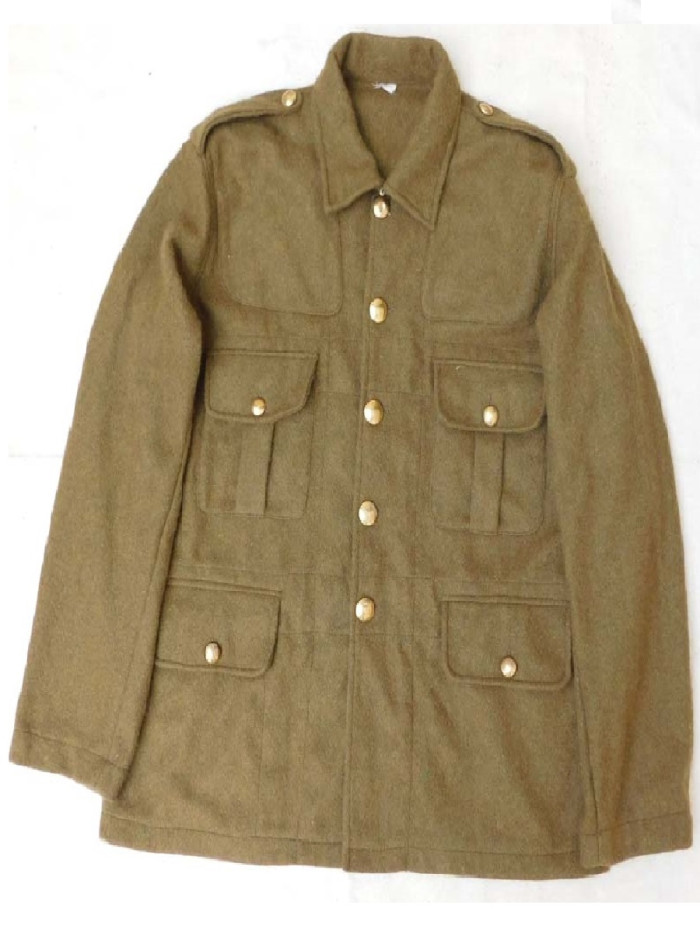
- Khaki tunics with multiple pockets
- Steel Adrian helmets with insignia on the front
- Canvas gaiters and leather boots
The French Foreign Legion During WW2
The uniform French Foreign Legion stood out with its adaptations for desert warfare:
- White cotton covers for helmets and kepis
- Lightweight khaki fatigues
- Distinctive blue insignia patches
Real-life example: Legionnaires serving in North Africa during the Battle of Bir Hakeim (1942) wore modified khaki uniforms with rolled-up sleeves to endure desert heat.
Exploring Napoleonic Outfits: More Than Just Costumes
Collectors worldwide crave Napoleonic outfits due to their ornate design: gold epaulettes, plumed shakos, and intricately embroidered coats. But beware: many reproductions flood the reenactment market.
Tips to Avoid Pitfalls:
- Authentic Napoleonic shakos were made of leather—modern copies often use synthetic materials.
- Pay attention to buttons: originals often included regimental numbers.
- Provenance matters: Always request documentation when purchasing an antique piece.
Actionable Steps for History Lovers and Collectors
If You’re a Beginner:
- Start with reproduction uniforms: Affordable, widely available, and perfect for reenactments.
- Build knowledge: Study original photographs, war museum archives, and veterans’ memoirs.
- Join reenactment groups: Many focus on specific regiments or eras, offering hands-on learning.
If You’re an Intermediate Collector:
- Specialize in one era—WW1, WW2, or Napoleonic—rather than spreading too thin.
- Verify authenticity: Learn to recognize fabric weaving patterns, insignia details, and wartime repairs.
- Network with other collectors: Forums and collector clubs can help validate rare finds.
If You’re Advanced:
- Preserve with care: Use acid-free boxes and avoid direct sunlight.
- Document your collection: Photos, provenance, and researched notes add to historical value.
- Consider exhibitions: Sharing with museums or history clubs helps keep military heritage alive.
Current Trends in Collecting French War Outfits
The world of historical uniforms isn’t just about nostalgia—it’s a growing trend, shaped by both technology and global interest in military heritage.
- Reenactment Growth: More WW1 and Napoleonic reenactment groups are emerging in Europe and the U.S.
- Digital Authentication Tools: Apps and databases now help verify uniform authenticity.
- Market Insights: While Napoleonic pieces are rare, WW1 and WW2 French uniforms are steadily gaining value among collectors.
Conclusion: Why the French War Outfit Still Matters Today
The French war outfit is far more than fabric and buttons—it’s a living record of military adaptation, national pride, and personal sacrifice. Whether you’re studying French uniform revolutionary war designs, admiring Napoleonic outfits, learning from World War I navy uniforms, or collecting uniform French Foreign Legion pieces, each element connects us to the past.
If you’re beginning your journey, start small, research carefully, and avoid common pitfalls. For avid collectors, focus on authenticity and preservation. Most importantly, keep engaging with history—reenacting, collecting, and sharing knowledge ensures these uniforms remain appreciated for generations.
Call to Action:
Interested in starting your collection or learning more? Visit your local military museum, join an online community of uniform enthusiasts, or begin with an affordable reproduction. The world of French military history awaits—one detailed button, patch, and uniform at a time.
REQUISITION RELATED GEAR
EXPLORE MORE FIELD REPORTS
Browse all published guides and history articles.
