HOW WW1 CHANGED THE FRENCH ARMY UNIFORM FOREVER
Introduction: Why the French WW1 Uniform Needed Change
The Problem
When World War I started in 1914, the French Army marched into battle wearing uniforms that looked great on parade but were poorly designed for real combat. The bright red trousers and dark blue coats made soldiers easy to spot. Protection was limited, and basic gear like footwear, puttees, and gaiters often got ignored—even though they were vital for comfort during long marches. Officers wore uniforms that showed pride and tradition, but not safety.
The Agitation
As the war moved into muddy trenches, long marches, and freezing weather, the flaws became serious. Soldiers suffered from cold, wet feet, infections, and exhaustion. Officers’ fancy uniforms made them easy marks for enemy snipers. The early French uniforms simply weren’t built for industrial-scale warfare.
The Solution
Between 1915 and 1918, the French Army updated its uniform completely. The new “horizon blue” replaced bright colors. Puttees and gaiters were redesigned for comfort and protection. Officer uniforms became more practical but still looked professional. These weren’t small style tweaks—they improved survival, movement, and command on the battlefield.
Overview of the WW1 French Army Uniform
By the middle of the war, the new French uniform had become one of the most recognized of WW1.
Main features included:
- Horizon blue wool tunic and trousers
- Adrian steel helmet (introduced in 1915)
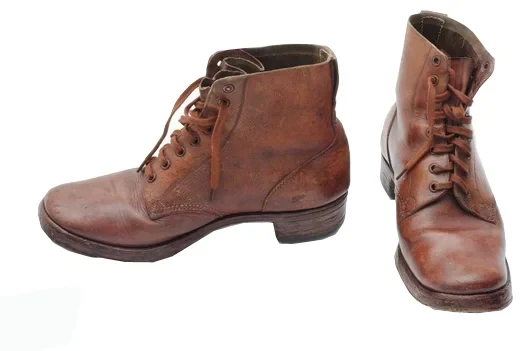
- Leather boots with puttees or gaiters
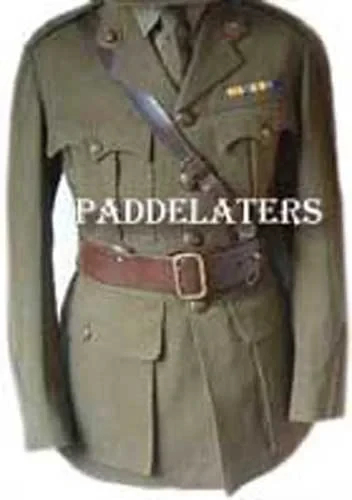
- Tailored uniforms for officers showing rank and authority
While helmets often get the spotlight, the legwear and officer clothing show how the French adapted to the harsh conditions of trench life.
French WW1 Puttees and Gaiters: Design and Purpose
What Were Puttees?
Puttees were long wool strips wrapped around the lower leg, from ankle to knee. They replaced older gaiters and quickly became standard Army gear.
Key features:
- Made of wool or wool-blend fabric
- Wrapped over trousers and boots
- Tied or tucked securely
- Usually horizon blue or grey-blue in color
Puttees gave warmth, ankle support, and protection against mud, stones, and cold water.
French Gaiters in Early WW1
At first, many soldiers still used canvas or leather gaiters with buttons or straps.
Main problems:
- Buttons got stuck with mud
- Leather hardened when wet
- Poor fit for trench conditions
Over time, gaiters were replaced with puttees, especially on the Western Front.
Why Puttees Worked Better
- Dried faster than leather
- Fit better for different leg shapes
- Reduced friction inside boots
- Improved leg support and reduced fatigue
By 1916, French troops at Verdun and the Somme widely wore puttees for better comfort and durability.
WW1 French Officer Uniform: Rank Meets Reality
Early War Officer Dress
Officers started the war wearing polished uniforms: dark blue or horizon blue tunics, red or blue trousers (based on their unit), and kepi hats with rank bands. They also carried Sam Browne belts and gloves. While these uniforms looked sharp, they made officers stand out clearly to the enemy.
Changes During the War
High casualties forced quick adaptations. Officers switched to:
- Horizon blue uniforms (less visible)
- Adrian helmets instead of kepis
- Subtle rank markings
- Practical leather equipment
Many officers bought their uniforms privately, which caused slight differences in fabric and fit but improved comfort and mobility.
Officer Rank Insignia
- Stripes on sleeves
- Bands on kepis (used in rear zones)
- Patches on collars
Even as uniforms got simpler, officers still looked distinct enough for soldiers to identify leadership.
Pros and Cons of the French WW1 Uniform
Advantages
- Puttees and legwear: Protected legs from cold and mud, improved marching comfort, and were easy to replace.
- Officer uniforms: Balanced authority with function, adapted to front-line needs, and allowed personal tailoring.
- Overall design: Horizon blue reduced visibility, and helmets cut down head injuries. Uniform evolution came through real experience.
Drawbacks
- Wool uniforms got heavy when wet
- Wrapping puttees correctly took time
- Officers still stood out in battle
- Supply shortages caused uneven quality
Even with these issues, the redesigned uniform marked a major improvement from the early-war look.
Real Examples and Case Studies
Case Study 1: Verdun, 1916
During the long battle of Verdun, French troops faced knee-deep mud and freezing conditions. Soldiers with puttees reported fewer ankle problems compared to those with older gaiters. After early losses, officers switched to helmets and horizon blue tunics for better safety.
Case Study 2: Colonial Regiments
French colonial troops from North Africa often adjusted the uniform for warmer climates. Some combined puttees with lighter pants, showing how the same principle worked across different environments.
Museum Evidence
Original WW1 French uniforms can be found at:
- Musée de l’Armée (Paris)
- Imperial War Museum (London)
- Various private collections
These surviving examples show real wear on puttees and coats, proving how heavily they were used in the trenches.
FAQs About WW1 French Army Uniforms
- Did all French soldiers wear puttees?
By 1916, most front-line soldiers did, though some rear units kept gaiters. - Were officer uniforms different?
Yes. Officers had finer materials, clear rank markings, and often bought their own uniforms. - Why was horizon blue chosen?
It made soldiers less visible while keeping a distinct French identity. - Did officers stop wearing kepis?
At the front, yes. Helmets replaced kepis for protection. - Are original French WW1 uniforms rare?
Complete sets are rare today, especially with original puttees and insignia intact.
Conclusion: Lessons from the French WW1 Uniform
The French Army entered WW1 with outdated, colorful uniforms that looked elegant but offered little protection. As the brutal trench war dragged on, practicality took over tradition. The switch to horizon blue, the introduction of puttees, and the redesign of officer uniforms weren’t just style choices—they saved lives and shaped modern military clothing.
The French WW1 uniform is a clear reminder that real battlefield experience drives true innovation
REQUISITION RELATED GEAR
EXPLORE MORE FIELD REPORTS
Browse all published guides and history articles.
