FIRST WORLD WAR BRITISH UNIFORM: EVOLUTION OF BRITISH MILITARY UNIFORMS BY ERA
Introduction
Did you know that over 9 million British soldiers were issued standard uniforms during the First World War? This staggering figure reveals just how central clothing and equipment were to the war effort. Military uniforms are more than just fabric—they reflect technology, strategy, and identity.
For those fascinated by historical warfare, studying uniforms like the first world war British uniform unveils how soldiers lived, fought, and were remembered. From the iconic red coat military attire of the 18th century to the pragmatic designs of the World Wars, these uniforms chart a story of tradition, innovation, and survival.
In this article, we’ll break down British military uniforms by era, highlight actionable steps for collectors and history enthusiasts, point out common pitfalls to avoid, and even discuss current trends in uniform study and historical reenactment.
The Red Coat Legacy: Pre-World War Era
Before World War I, Britain’s global military identity was symbolized by the red coat military uniform. Known across Europe and the colonies, the red coat represented strength and empire.
Key Characteristics of Red Coat Military Uniforms:
- Bright scarlet tunics with brass buttons
- White cross-belts and high collars
- Distinctive regimental insignias
- Woolen material, effective in cooler climates but impractical in colonies like India
Actionable Advice: If researching British military attire for genealogy or collection, focus on regimental distinctions. Each unit had unique insignia and headgear, which helps in tracing ancestors’ military service.
Pitfall to Avoid: Don’t confuse ceremonial red coats (still seen today in parades) with active battlefield uniforms of the late 19th century. By the Boer War, khaki had already taken over as the more practical color.
First World War British Uniform: A Practical Revolution
The first world war British uniform represented a dramatic shift from tradition to function. With trench warfare dominating strategy, soldiers needed rugged, camouflaged, and protective clothing.
Key Features of First World War British Uniform:
- Khaki Drill: Replaced bright colors with brownish shades for camouflage
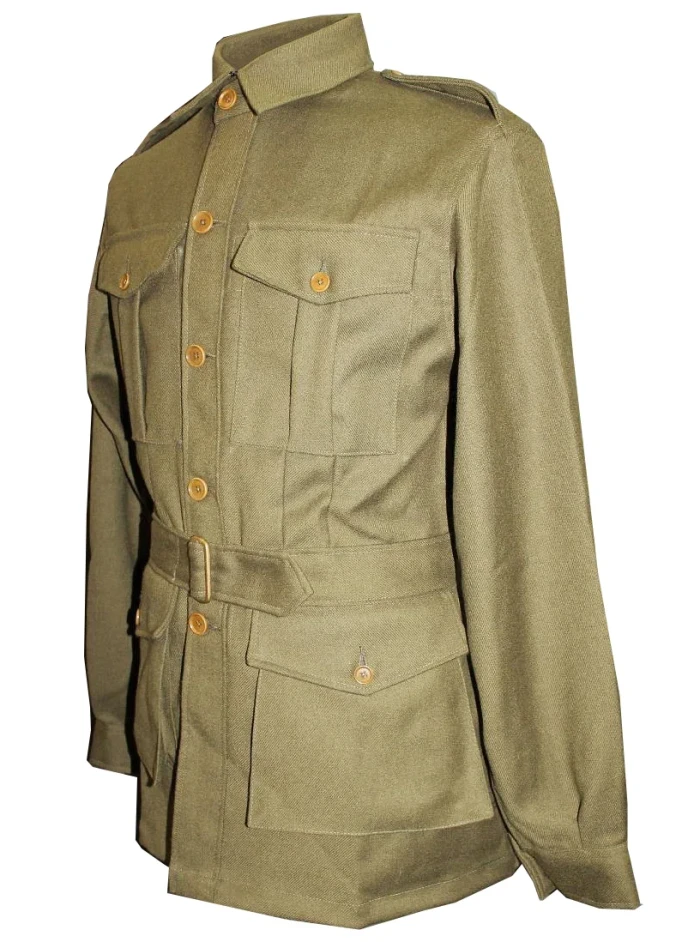
- Service Dress Tunic: Four-pocket wool tunic, brass buttons, and stand-and-fall collar
- Puttees: Long cloth strips wound around the legs for protection and warmth
- Brodie Helmet: Steel helmet offering improved head protection against shrapnel
First World War Nurses Uniforms
While soldiers had khaki, medical staff wore distinctive attire. First world war nurses uniforms typically included:
- Dark blue dresses with white aprons and caps
- Red cross insignias for identification
- Comfortable, practical shoes for hospital environments
- Cloaks for protection in field hospitals
Actionable Advice: Collectors and reenactors should look at the context. A nurse’s cape with a Red Cross emblem tells a story equal in importance to a soldier’s tunic.
Pitfall to Avoid: Beware replicas that are confused with originals. Many reproduction First World War uniforms are sold for reenactments—great for display, but not of the same historic value as issued pieces.
The Naval Side: World War I Navy Uniforms
Land uniforms are only part of the story. The world war i navy uniforms reveal another angle of Britain’s global power.
- Dark navy-blue “square rig” sailor suits with broad collars
- Cap tally ribbons, often inscribed with ship names
- Petty officers and officers wore tailored jackets and caps
- Practical wool for warmth during long sea voyages
Actionable Steps:
- If focusing on the navy, understand rank distinctions. Subtle insignias on cuffs and caps mark huge differences in hierarchy.
- Collectors should authenticate cap tally ribbons—originals can indicate specific fleets or even famous battleships.
Interwar Years: Between Tradition and Modernization
The period after WWI saw Britain juggling tradition with modernity. Though khaki service dress remained, updates focused on comfort and adaptability.
- Introduction of tropical uniforms for warmer postings
- Dress blues for ceremonial events
- Armored warfare developments influencing protective gear
Common Pitfall: Many assume interwar uniforms were identical to WWI versions. In truth, adjustments to materials, cut, and insignia reflect evolving military doctrine.
Second World War: British Uniforms in Global Context
While studying first world war British uniform is central, it’s important to understand how WWII developed from that foundation. By the Second World War, standard issue items included:
British WWII Gear:
- Battle Dress (1937 Pattern): A wool jacket and trousers, more compact than WWI service dress
- Webbing Equipment: For carrying ammo, food, and gas masks
- Camouflage Innovations: Particularly influenced by commando and airborne units
- Steel Helmets: Improved version of the Brodie
Comparison with WW2 Uniforms by Country
- Germany: Field gray wool and distinctive helmets
- USA: Olive drab uniforms, M1 helmets, lighter gear
- Soviet Union: Simple brown tunics, functional and mass-producible
Actionable Advice: When comparing WW2 uniforms by country, focus on practicality and environment. For example, British units in North Africa wore lighter desert gear, while German forces had tropical uniforms for the same campaigns.
Pitfall: Don’t assume "uniformity." Within Britain’s forces, variations existed across regiments, theaters, and years.
Current Trends: Why Study Uniforms Today?
The study of uniforms isn’t just about nostalgia. Today, first world war British uniform research is thriving thanks to:
- Historical Reenactments: Authentic uniforms bring history to life for audiences
- Museum Exhibitions: Highlighting personal stories through clothing artifacts
- Genealogical Research: Tracing family members through regimental insignias
- Film & Gaming Accuracy: Media increasingly invests in portraying accurate wartime attire
Trend Highlight: Online communities and forums now allow collectors and historians to share knowledge, trade authentic items, and fact-check uniforms through digital archives.
Conclusion
The first world war British uniform marked the turning point in military attire, shifting from ceremonial colors to functional clothing built for survival. Coupled with world war i navy uniforms and first world war nurses uniforms, these garments capture a pivotal era in world history.
But uniforms did not stop evolving. From khaki to camouflage, Britain’s military attire reflects global changes in war strategy and identity.
Call-to-Action:
If you’re passionate about history, take the next step—visit a local military museum, join a reenactment group, or start a small collection. Each piece of uniform tells a story, and by exploring it, you keep history alive for future generations.
REQUISITION RELATED GEAR

EXPLORE MORE FIELD REPORTS
Browse all published guides and history articles.
