WW1 AUSTRALIAN UNIFORM GUIDE: EXPLORE ANZAC HISTORY & WW1 AUSTRALIAN UNIFORMS
WW1 Australian Uniforms: Explore ANZAC History & ww1 us uniform
Did you know that over 330,000 Australians enlisted during WW1—many wearing uniforms that would become iconic symbols of national identity?
If you're fascinated by military history, particularly the evolution of uniforms during major conflicts, you're in for a treat. This article dives into the details of WW1 Australian uniforms, guiding you through their historical context, design, and how to identify or purchase accurate ww1 us uniform.
We'll also look at how these outfits compare to World War One American uniforms, providing key differences and shopping tips. Whether you're a collector,reenactment, or researcher, this article will equip you with valuable insights and resources.
Understanding the WW1 Australian Uniform: More Than Just Fabric
What Made the ANZAC Uniform WW1 Unique?
The ANZAC uniform WW1 wasn’t just a set of clothes—it was a symbol of resilience, identity, and colonial loyalty.
Key components of the standard uniform included:
- Slouch Hat with rising sun badge (instantly recognisable)
- Khaki wool tunic and trousers
- Puttees (leg wrappings)
- Leather boots
- Webbing gear for carrying ammo and supplies
The uniform had to withstand extreme weather conditions, from muddy trenches in Europe to the dry heat of Gallipoli.
Interesting Fact: The original uniforms were made from heavy wool—a poor choice for desert warfare, leading to high instances of heatstroke.
Comparing WW1 Australian Uniforms with World War One American Uniforms
While both uniforms served similar functions, their designs reflect different military cultures and climates.
Feature WW1 Australian Uniform World War One American Uniform Headgear | Slouch hat | Flat-topped service cap
Jacket Style | Four-pocket wool tunic | Olive drab wool blouse
Colour | Light khaki | Olive drab green
Insignia | Rising Sun badge | U.S. eagle and unit patches
Boots | Ankle boots with puttees | Marching boots with leggings
Understanding these differences helps collectors and reenactment source accurate pieces and avoid mixing up items from different armies.
Actionable Tips for Identifying Authentic WW1 Australian Uniforms
1. Look for Historical Accuracy
- Buttons should feature the Commonwealth or military insignia.
- Badges like the Rising Sun emblem should be stamped brass or copper, not plastic.
- Fabric should be heavy wool—if it feels synthetic, it's likely a replica.
2. Use Military Archive Photos
Compare your uniform with archived photos of ANZAC soldiers. The Australian War Memorial website is an excellent source.
3. Check the Provenance
If buying second-hand or at an auction:
- Ask for documents or photos linking the item to a soldier.
- Get an expert opinion—especially for medals and original jackets.
Where to Find High-Quality WW1 us Uniforms
For reenactment or collectors wanting a historically accurate look without breaking the bank, WW1 us uniforms are the answer.
Top Online Sources:
- Military dealers with a good reputation and verified reviews
- Reenactment outfitters (many offer custom fitting)
- eBay or Etsy (be cautious—ask for close-up photos and fabric type)
Pro Tip: If you're buying a ww1 jacket, make sure it includes era-appropriate features like:
- Epaulettes
- Brass buttons
- Four-pocket layout
- Internal lining
Common Pitfalls to Avoid When Buying or Recreating WW1 Australian Uniforms
❌ Pitfall #1: Mixing Up Eras
Many sellers list WW2 jackets or British gear as WW1 Australian. Always verify the date and origin.
❌ Pitfall #2: Incorrect Insignia
Some replicas use modern military badges—always look for the original Rising Sun or divisional patches.
❌ Pitfall #3: Synthetic Materials
Wool was the primary material in WW1. Polyester blends might look good but lack authenticity.
Australian Military Uniforms Beyond WW1
Understanding WW1 gear helps you appreciate how Australian military uniforms evolved over time.
Timeline:
- WW1: Khaki wool, minimal protection
- WW2: Improved tropical gear
- Vietnam: Jungle camouflage
- Modern Day: High-tech fabrics, modular design
Collectors often specialise in a specific era, but many blend WW1 and WW2 gear in displays or reenactments to show contrast and evolution.
Current Trends in Collecting and Reenacting WW1 Uniforms
🔥 Trend 1: 3D-Printed Badges
reenactment use 3D printing to create missing uniform parts for display or wear.
🔥 Trend 2: Living History Events
There's a rise in WW1 reenactment camps where enthusiasts wear full anzac uniform ww1 kits and perform mock drills.
🔥 Trend 3: YouTube & TikTok Education
Historians now share uniform comparisons and tutorials on restoration—great for beginners and seasoned collectors alike.
Preserving and Displaying Your ww1 us uniform
Best Practices:
- Store in cool, dry places with minimal light exposure.
- Use mannequins or shadow boxes to avoid folding damage.
- Consider archival-grade plastic for medals or accessories.
Document Everything
If you’ve collected a full ww1 us uniform, include printed material showing your research—this boosts value and historical appreciation.
Conclusion: Embrace the History, Wear the Legacy
Whether you're a history buff, a reenactment, or a serious collector, diving into the world of WW1 Australian uniforms is a rewarding experience. From identifying authentic ANZAC uniform WW1 pieces to investing in high-quality ww1 us uniform, this journey connects you with a pivotal chapter in global and national history.
And if you’re comparing them with World War One American uniforms, remember—the details matter, especially when honoring real soldiers’ sacrifices.
REQUISITION RELATED GEAR
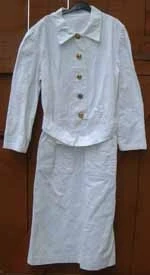
World War two (ww2,wwii) British army Women's Royal Naval Service WRENS & WRNS Tropical Uniforms
$299.00
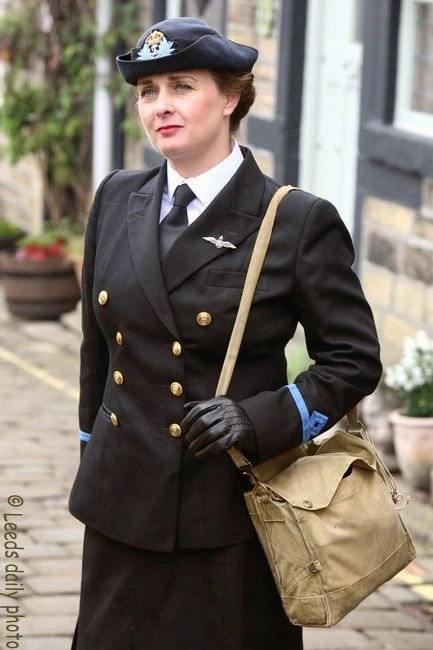
World War two (ww2,wwii) British army Women's Royal Naval Service (WRENS & WRNS) uniform Tunic and skirt
$199.00

World War two (ww2,wwii) British army ATS Uniform (Auxiliary Territorial Service) uniform Leather Jerkin
$165.00
EXPLORE MORE FIELD REPORTS
Browse all published guides and history articles.
