HOW TO BUY A WW1 BRITISH SOLDIER UNIFORM: WHAT TO KNOW FIRST
Introduction: The Importance of WW1 British Soldier Uniforms
The WW1 British soldier uniform is one of the most recognizable military outfits of the early 20th century. Designed for large-scale trench warfare, it represented a major shift from traditional bright uniforms to practical clothing suited for modern combat. Collectors, reenactors, filmmakers, and museums still study and use this uniform because it reflects real battlefield needs and shows how the British Army adapted during the war.
Problem
People interested in WW1 British uniforms often face several challenges:
- Finding authentic or accurate reproductions
- Understanding differences between various patterns
- Identifying correct materials and insignia
- Knowing how to care for wool items
Many new buyers feel lost because online listings can be unclear, and some sellers provide reproductions that do not match historical standards.
Agitate
This confusion can lead to costly mistakes. A collector may buy a tunic that looks correct in photos but turns out to be made with modern wool blends. A reenactor might fail authenticity checks because details like button style, pocket shape, or webbing straps are incorrect. Others may not know how to store wool uniforms properly, resulting in moth damage or fabric deterioration.
When these problems appear after spending a large amount of money, the experience becomes frustrating.
Solution
Understanding the true features of the WW1 British soldier uniform makes it easier to recognize good reproductions, avoid bad purchases, and maintain uniforms properly. This guide breaks everything down in simple terms, based on actual historical references and real-world collector experiences.
Key Features of the WW1 British Soldier Uniform
The standard WW1 British uniform was the Service Dress, first introduced in 1902 and used throughout the war with minor updates. Below are the essential components.
H2: The Service Dress Tunic (1902 Pattern)
The tunic was made from heavyweight khaki wool serge, chosen for durability and camouflage. Key features included:
- Five brass general service buttons down the front
- Two chest pockets and two lower pockets, each with box pleats
- A high collar (stand-and-fall collar) in early models
- Reinforced stitching on shoulders for equipment straps
- Shoulder titles showing regiment or corps
Historical sources such as the Imperial War Museum note that the khaki color helped reduce visibility compared to pre-1900 red coats.
H2: Trousers and Puttees
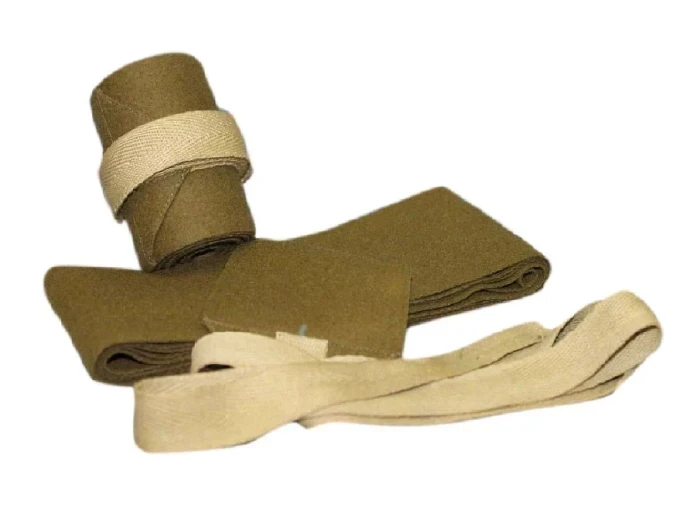
The trousers, also made of wool serge, were straight-cut and worn with suspenders rather than belts. On the lower legs, soldiers wrapped puttees, long strips of wool cloth, which:
- Gave support to ankles
- Protected legs from mud and insects
- Helped keep trousers tucked in
Puttees became a defining part of WW1 British appearance and are essential in reenactment accuracy.
H2: The Brodie Helmet
Introduced in 1915, the Brodie steel helmet replaced soft caps. According to a 1916 medical report, head wound fatalities dropped significantly once helmets became standard.
The helmet:
- Had a shallow bowl shape
- Provided protection against shrapnel
- Was painted in textured khaki to reduce shine
Earlier in the war, soldiers wore a Field Service Cap, but the Brodie helmet quickly became the primary headgear.
H2: Webbing and Equipment (1908 Pattern)
The 1908 Pattern Webbing allowed soldiers to carry essential gear during operations. It included:
- Ammo pouches
- Water bottle carrier
- Haversack
- Entrenching tool holder
- Belt and supporting straps
Made from tightly woven cotton, it was strong and designed to distribute weight evenly.
Good reproductions follow the original weave, stitching, and khaki shade.
H2: Boots and Other Accessories
The standard footwear was the ammunition boot, built with hobnails for grip. Additional accessories included:
- Leather waist belts
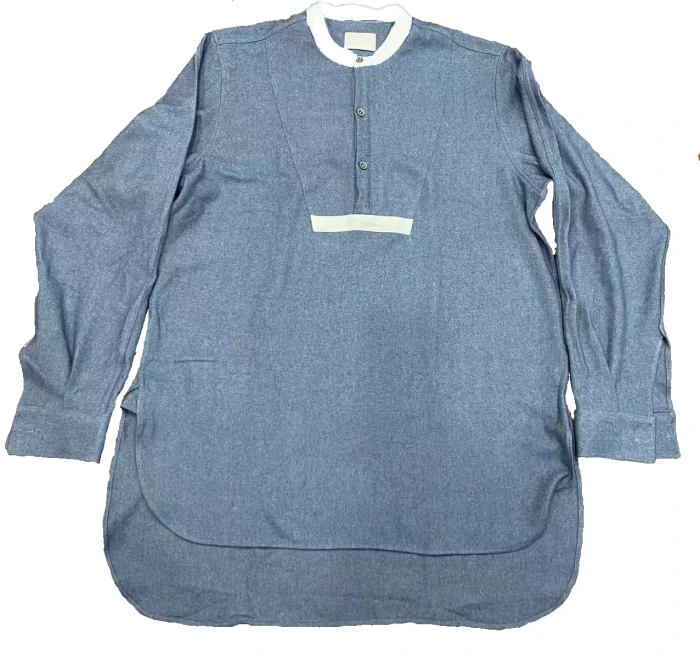
- Wool shirts
- Waterproof capes or ground sheets
- Leather gloves (in cold conditions)
Correct accessories can make a uniform appear much more accurate.
Pros and Cons of Owning a WW1 British Army Tunic or Full Set
H2: Pros
1. Strong Connection to History
The uniform provides a realistic link to the soldiers who served in major battles such as the Somme or Passchendaele.
2. Good for Reenactments and Displays
Reenactment groups often require historically accurate uniforms. A good set allows participation in public events, education programs, or film work.
3. Durable Materials
Wool serge is naturally strong, weather-resistant, and long-lasting when stored properly.
4. Collectible Value
Original pieces are rare and can increase in value. High-quality reproductions also hold value within reenactment communities.
H2: Cons
1. High Cost for Authentic Pieces
Original tunics can be expensive due to age and rarity. Accurate reproductions also cost more because they use proper wool and brass.
2. Maintenance Requirements
Wool uniforms require careful cleaning and moth protection. Incorrect storage can damage the fabric.
3. Weight and Warmth
The uniform can feel heavy and warm, especially during summer reenactments.
4. Risk of Inaccurate Reproductions
Some sellers use modern materials, plastic buttons, or incorrect stitching, which reduces historical accuracy.
Frequently Asked Questions (FAQs)
Q1: How do I identify an authentic WW1 British tunic?
Look for wool serge fabric, five brass buttons, box-pleated pockets, and accurate collar shape. Compare photos with museum references.
Q2: Where can I buy an accurate WW1 British uniform?
Specialized militaria suppliers, reenactment shops, and museum-approved sellers provide reliable options. Avoid listings without details on materials and construction.
Q3: Why was khaki used instead of bright colors?
Khaki offered better camouflage in trench environments, making soldiers less visible to the enemy.
Q4: Are original WW1 uniforms still wearable?
Most are too fragile for reenactments. Collectors usually keep originals for display and use reproductions for events.
Q5: How do I care for wool uniforms?
Store them in breathable bags, use cedar blocks or moth traps, avoid washing machines, and brush lightly to remove dust.
Q6: What size should I choose when ordering online?
Take accurate measurements of chest, waist, and shoulder width. Many reenactors size up slightly for comfort and layering.
Real-World Example: A Collector’s Experience
A reenactor from a British living history group shared his experience while searching for a WW1 British uniform. He wanted a full set that would pass authenticity checks during public events. After comparing dozens of listings online, he noticed big differences in wool color, button design, and pocket shape.
To avoid mistakes, he studied photographs from the Imperial War Museum and asked advice from experienced collectors. He finally ordered a reproduction tunic made from 100% wool serge with correct brass buttons and proper 1908 Pattern webbing.
At his next reenactment event, his uniform was approved without any revisions. Other reenactors noted the accurate collar shape and pocket pleats. His experience shows that research and patience lead to better purchasing decisions, especially when buying WW1 British uniforms online.
Conclusion: Where to Buy Authentic WW1 British Soldier Uniforms
The WW1 British soldier uniform remains important due to its historical value and its role in education, reenactment, and collection. Understanding the main features — from the khaki wool tunic to the Brodie helmet and webbing — helps avoid the problems many new buyers face.
REQUISITION RELATED GEAR
EXPLORE MORE FIELD REPORTS
Browse all published guides and history articles.
