FRENCH WW1 GREATCOAT AND UNIFORM COMPONENTS: A COMPLETE GUIDE FOR HISTORY LOVERS
French WW1 Greatcoat and Uniform Components: A Complete Guide for History Lovers
Did you know that the average French soldier in World War I carried more than 30 pounds of equipment, often in mud, snow, or under constant shellfire along the Western Front? Among this gear, the French WW1 greatcoat was not just a piece of clothing—it was a lifeline against the cold, a symbol of resilience, and today, a fascinating artifact of military history.
For historians, reenactors, or collectors, understanding WW1 French uniform components provides a deeper connection to the soldiers who endured unimaginable conditions. This guide will break down the essentials of the French WW1 uniform, with a particular focus on the greatcoat, while offering practical advice, common pitfalls to avoid, and insights into current trends for enthusiasts.
The Core Components of the WW1 French Uniform
To truly grasp the importance of the French WW1 greatcoat, we must first look at the complete set of uniform elements worn by French soldiers, known as “Poilus.”
Standard Components Included:
- The French greatcoat (capote): A long, heavy wool coat designed for warmth and durability.
- The Adrian helmet (introduced 1915): One of the first steel helmets in warfare, providing essential head protection.
- Iconic blue uniforms (early war): Soldiers entered the war in bright blue coats and red trousers before transitioning to horizon blue for camouflage.
- Belt and cartridge pouches: Essential for ammunition and frontline supplies.
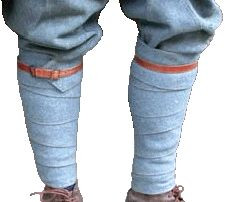
- Boots and puttees: Designed to protect legs from mud along the French rivers of World War 1 and trenches of the Western Front.
- Backpack with mess kit: Soldiers carried cooking utensils, spare clothing, and rations.
Why the French WW1 Greatcoat Stands Out
The French greatcoat, or capote, is one of the most iconic elements of the French WW1 uniform.
Key Features of the Greatcoat:
- Made of thick wool, ideal for freezing winters.
- Designed with large lapels and pockets for practicality.
- Issued in horizon blue after 1915 for camouflage.
- Versatile: could double as a blanket or groundsheet.
For soldiers stationed along the Western Front—a brutal trench line from the Swiss border to the French coast—the greatcoat meant survival. From defending river crossings to enduring endless nights in the mud, it became as symbolic as the helmet itself.
H2: Actionable Steps for Collectors and Enthusiasts
If you’re looking to acquire or study a French WW1 greatcoat, here’s how to do it effectively:
1. Know the Historical Variants
- Early-war coats were navy blue with red trim, extremely rare today.
- Post-1915 coats in horizon blue wool are more available but still valuable.
- Pay attention to small details like buttons, stitching, and lining, which differ by year.
2. Verify Authenticity Before Buying
- Check for wear patterns (real coats show fraying, discoloration).
- Look at seams and inside labels—reproductions often lack these markings.
- Consult with reputed military antique dealers.
3. Reenactment vs. Original Preservation
- Reenactors: Buy reproduction uniforms to avoid damaging authentic pieces.
- Collectors: Store greatcoats in breathable garment bags to prevent moth damage.
H2: Common Pitfalls When Researching the French WW1 Greatcoat
Many enthusiasts make mistakes when diving into WW1 French uniforms. Avoid these pitfalls:
- Confusing Foreign Legion Gear: The uniform French Foreign Legion wore similar outfits, but subtle differences exist in insignia and field modifications. Don’t lump them together.
- Mixing Time Periods: Early WW1 and late WW1 gear are different. Horizon blue coats only appear after 1915.
- Ignoring Provenance: A coat without traceable history is less valuable, even if authentic.
- Western Front Definition Errors: Some think the “Western Front” refers only to France—it stretched through Belgium, France, and even into German territory. Correct knowledge helps when contextualizing the greatcoat’s role.
Modern Trends: Why the Greatcoat Still Matters Today
Even in 2025, the French WW1 greatcoat continues to inspire interest. Here are some current trends:
1. Rising Popularity in Reenactments
More living-history groups recreate battles along historical French rivers of World War 1, such as the Marne and the Somme. Accurate coats are essential for realism.
2. Museum Exhibitions
Institutions worldwide now emphasize WW1 artifacts, showing how the French greatcoat symbolized endurance and national pride.
3. Film and Media
Movies, documentaries, and even video games use detailed recreations of the French uniform—keeping demand for knowledge (and reproductions) alive.
4. Collecting Community Growth
Forums and online groups allow enthusiasts to trade, identify, and preserve original gear, avoiding misinformation.
H2: How to Start Your Journey into French WW1 Uniforms
For beginners, here’s your action plan:
- Step 1: Read about the Western Front definition to understand the environment where the uniforms were used.
- Step 2: Visit a museum with WW1 French exhibits. Notice how the greatcoat appears in every trench scene.
- Step 3: Join an online community dedicated to WW1 reenactors or collectors.
- Step 4: Start small—acquire reproduction gear before investing in authentic pieces.
- Step 5: Always document and photograph new acquisitions for future reference.
Conclusion: Why the French WW1 Greatcoat Deserves Your Attention
The French WW1 greatcoat is more than just a uniform item—it is a symbol of resilience, hardship, and history. Understanding its role, collecting responsibly, and avoiding common mistakes can turn your interest in WW1 into a rewarding lifelong passion.
Whether you’re drawn by the endurance of the French Foreign Legion, the dramatic battles along French rivers during World War 1, or simply fascinated by the Western Front, starting with the greatcoat gives you both a tangible artifact and a human connection to the past.
👉 Call-to-Action: Ready to dive deeper? Begin your research with the greatcoat today, join a historical forum, or plan your first museum visit. History becomes real when you wear, see, or study what those soldiers once carried into battle.
REQUISITION RELATED GEAR

EXPLORE MORE FIELD REPORTS
Browse all published guides and history articles.
