WORLD WAR 1 UNIFORMS USA: A COMPLETE GUIDE FOR COLLECTORS AND HISTORY BUFFS
Introduction:
Did you know that over 4 million Americans served in uniform during World War I—many wearing gear that would become iconic for generations to come?
For history lovers and collectors, few artefacts hold as much meaning as an authentic World War 1 uniform USA. Whether you're starting your collection, planning for a reenactment, or intrigued by military fashion evolution, understanding the elements of the WW1 U.S. army uniform is a fascinating journey.
In this article, you'll learn:
- What made the WW1 U.S. uniform unique
- How to identify authentic World War 1 uniforms and insignia USA
- Where to find quality World War 1 uniforms, USA reproduction gear
- Actionable steps for collectors and reenactors
- Mistakes to avoid when collecting or restoring gear
- How these trends influence interest in World War II American uniforms today
Let’s gear up and step back in time.
What Made the World War 1 Uniform USA Unique?
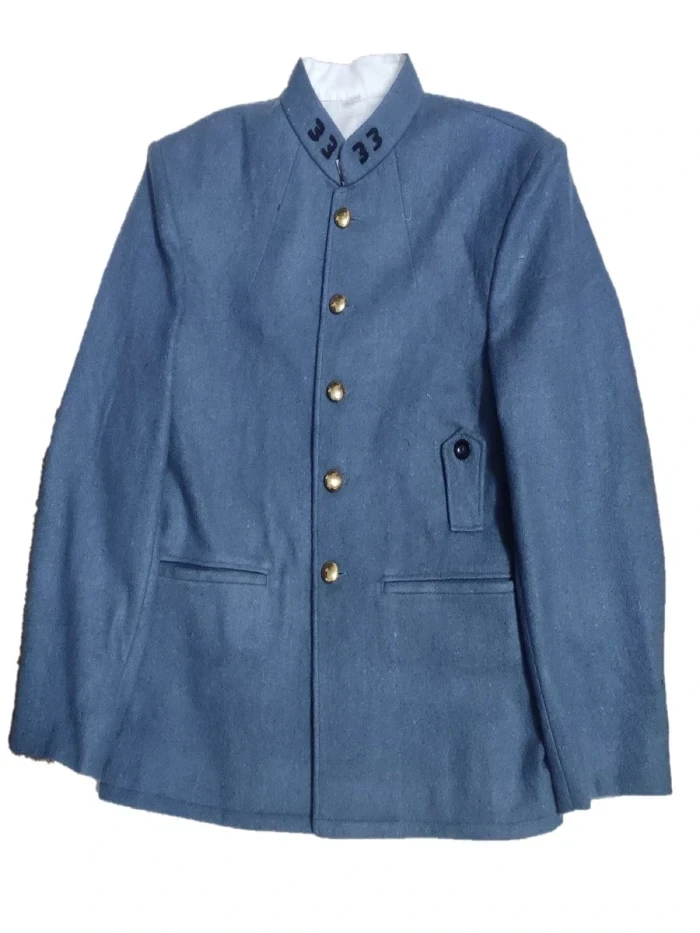
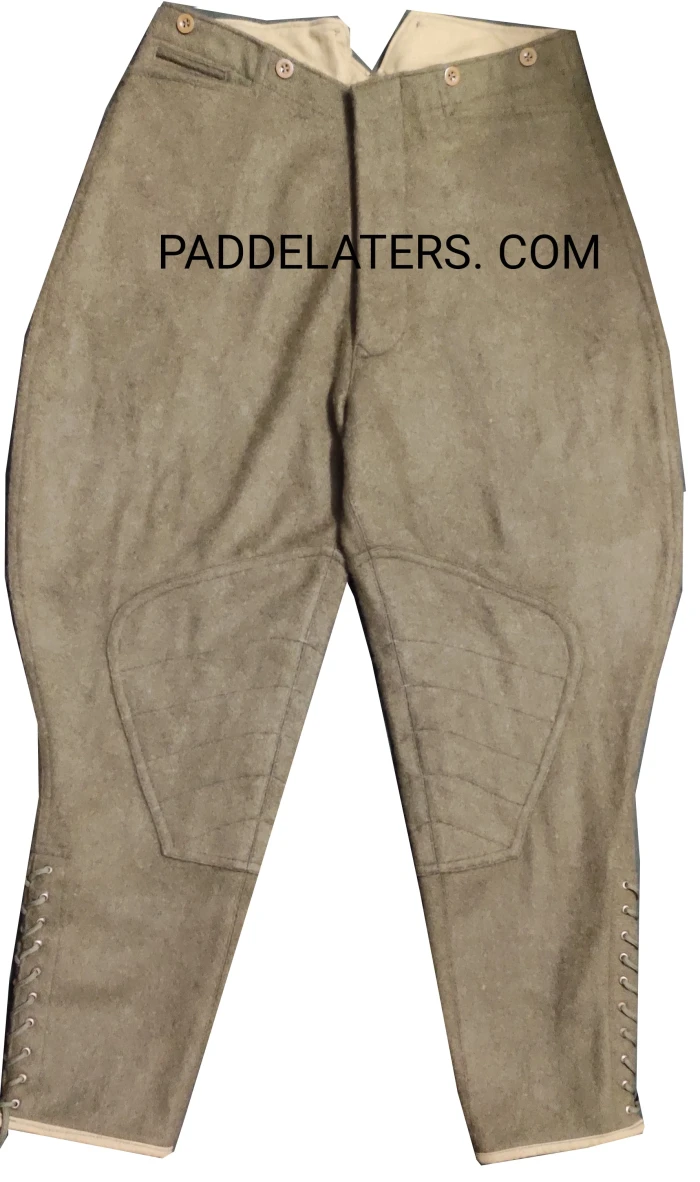
The WW1 U.S. Army uniform was a practical blend of design borrowed from European allies and innovations reflecting America’s own military identity. Key features included:
- Wool Olive Drab (OD) tunic and trousers
- Puttees (cloth leg wraps) are replacing gaiters
- M1917 helmet, modelled after the British Brodie helmet
- M1912 or M1917 service coat, depending on the unit and supply availability
- Canvas leggings and field gear
These pieces were designed for rugged conditions in Europe, offering both warmth and camouflage. Unlike later World War II American uniforms, WW1 designs were heavier and more rigid.
Quick Tip:
💡 Look for the "U.S." collar disc and branch insignia on lapels—authentic insignia help date a piece and identify its branch of service (infantry, artillery, etc.).
How to Identify Authentic World War 1 Uniform Insignia USA
Correctly identifying WW1 U.S. uniform insignia is essential for historians and collectors. Some badges and markings are easy to misinterpret or fake.
Key Insignia to Know:
- Collar Discs: Brass discs with “U.S.” on the left and branch symbol on the right.
- Rank Insignia: Chevrons on sleeves indicating corporal, sergeant, etc.
- Unit Patches: Many units painted or stitched unofficial patches on sleeves—especially in later war years.
- Service Stripes: Each stripe on the lower sleeve denoted six months of overseas service.
Actionable Steps:
- Use reference books or online archives (like the U.S. Army Centre of Military History).
- Compare against museum-verified photos.
- Join collector forums and post images for peer validation.
🧠 Pro Tip: Be wary of “too-perfect” condition insignia—genuine WW1 patches often show hand stitching and wear.
Where to Find Quality World War 1 Uniforms, USA Reproduction Gear
Reproduction uniforms are essential for reenactors or museum displays when originals are too fragile or rare. But not all reproductions are equal.
What to Look For:
- Accurate wool weight and dye (OD green or mustard brown)
- Stitching style (machine vs. hand-finish)
- Correct buttons and metal fixtures
- Proper insignia placement and materials
Recommended Sources:
- What Price Glory (WPG) – Known for high-accuracy WW1 reproductions.
- At the Front – Offers both WW1 and World War II American uniforms.
- Historical reenactment groups often have vetted tailors or suppliers.
Common Pitfalls to Avoid in Collecting or Wearing WW1 Uniforms
Even seasoned collectors can stumble. Here are mistakes to watch out for:
1. Mismatched Eras
- Mixing WW1 and WW2 gear (e.g., wearing an M1941 jacket with WW1 trousers).
- Solution: Study each component before purchasing.
2. Fake Insignia
- Modern embroidered patches or collar discs without ageing signs.
- Solution: Learn the material and stitching differences.
3. Incorrect Rank or Unit Pairings
- Wearing artillery patches on infantry uniforms.
- Solution: Consult unit history and reference manuals.
4. Improper Restoration
- Over-cleaning can destroy wool and insignia.
- Solution: Use wool-safe cleaners and avoid bleach or heavy agitation.
The Legacy of the World War 1 USA GI Uniform
The World War 1 USA GI uniform didn’t just shape American military style—it laid the foundation for World War II American uniforms. Many features transitioned or evolved, such as:
- The shift from puttees to canvas gaiters and then to modern boots
- Simplified field gear
- Greater use of shoulder patches and insignia in WW2
Understanding these transitions helps collectors distinguish between eras and adds depth to any military history project.
Trends in World War 1 Uniform Collecting and Reenactment
Interest in WW1 reenactments and collecting is growing again, thanks to:
- The 100th Anniversary (2014–2018) spiked public awareness
- Streaming documentaries and video games featuring WW1
- Social media collector communities share rare finds
- Crossover interest from WW2 reenactors
What's Hot Right Now:
- Trench gear setups (gas masks, trench knives, helmets)
- Officer uniforms with original insignia
- Medical Corps uniforms and Red Cross gear
Conclusion: Why the World War 1 Uniform USA Still Matters Today
The World War 1 uniform USA remains a powerful symbol of courage, transformation, and the evolution of American military identity. Whether you’re a beginner or seasoned collector, understanding the details of World War 1 uniforms and insignia, USA or locating accurate World War 1 uniforms, USA, reproduction pieces brings history to life.
REQUISITION RELATED GEAR

EXPLORE MORE FIELD REPORTS
Browse all published guides and history articles.
