WWI US ARMY UNIFORM: A GUIDE TO THE WOOL SERVICE COAT
Introduction
World War I marked a significant turning point in military history, not just for its impact on the world but also for the uniforms worn by soldiers. When it comes to the U.S. Army, their World War I uniforms stand out for their practicality, symbolism, and historical importance. For collectors, reenactors, and history enthusiasts, understanding these uniforms is essential to appreciating both the soldiers who wore them and the craftsmanship involved in creating them.
This blog post will dive deep into the WWI U.S. Army uniform, with a special focus on the iconic WWI U.S. soldier uniform and the WWI wool service coat. We’ll explore the materials, design features, and historical context that made these uniforms so unique. Additionally, we will discuss the challenges faced by collectors and reenactors when identifying and maintaining these historical pieces.
Let’s take a closer look!
The WWI US Soldier Uniform: Features and Design
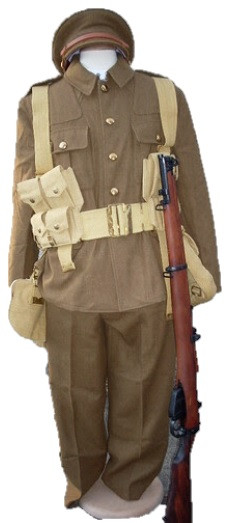
The World War I U.S. Army uniform was designed with practicality and function in mind. The uniform evolved over time, but the standard soldier's uniform was relatively simple yet effective.
Materials and Fabric
The typical uniform worn by U.S. soldiers during World War I was made of khaki wool, a fabric chosen for its durability and ability to blend in with the muddy, muddy trenches of the Western Front. The wool service coat, in particular, was made from a heavy wool serge that helped keep soldiers warm in the cold trenches. Despite being heavy, wool was breathable and could retain heat even in wet conditions. The design of the wool service coat also featured a double-breasted front and wide lapels, making it not only functional but also stylish for the period.
Design Features
The U.S. soldier’s uniform typically included the following components:
- Wool Service Coat: This was the key outer garment, often worn with an overseas cap or a more formal dress hat. It featured shoulder epaulets, a fitted waist, and multiple pockets for functionality.
- Tunic and Trousers: The tunic, also made of wool, was worn under the service coat. It was complemented by matching wool trousers that were practical for the muddy and rough conditions of trench warfare.
- Overseas Cap: The overseas cap, or "doughboy cap," became a symbol of American soldiers during the war. It was a simple, foldable cap that allowed soldiers to carry it easily when not worn.
- Boots and Webbing: Soldiers wore leather boots, often paired with a belt and haversack, which were used for carrying essential gear like food, ammunition, and personal items.
The uniform’s color, predominantly khaki, was chosen for its ability to blend into the battlefield environment, but it was also designed to be practical for mass production.
The WWI Wool Service Coat: A Closer Look
The WWI wool service coat is one of the most iconic pieces of military attire from the era. It has become a symbol of American soldiers’ resolve and resilience during World War I. Let’s dive deeper into its features:
Fabric and Construction
The service coat was made of wool serge, a durable, tightly woven fabric. Wool was chosen not just for warmth, but also for its moisture-wicking properties, which kept soldiers somewhat dry despite being exposed to rain and damp conditions. The wool was dyed in a distinctive shade of khaki that could blend into the environment while still providing a certain degree of warmth.
Key Features
- Double-Breasted Design: This feature helped provide added warmth and protection from the elements. The double-breasted style also provided a more formal look, making soldiers appear disciplined and well-organized.
- Epaulets and Rank Insignia: The service coat featured shoulder epaulets where rank insignia would be placed. These insignia allowed soldiers to be easily identified by their rank, and they were important for military hierarchy and organization.
- Pockets: There were several practical pockets on the coat that allowed soldiers to carry essential items like maps, ammunition, or rations. The design was efficient for the conditions soldiers faced in the trenches.
- Fitting and Cut: The coat was relatively straight-cut, with little room for excessive movement. This may have been uncomfortable for some soldiers, but it reflected the uniformity and discipline expected in the army.
The wool service coat was issued to every enlisted man and officer during World War I, and it remained in service through the early years of World War II before being phased out.
Pros & Cons for Collectors and Reenactors
Pros
- Historical Value: Original WWI uniforms, especially the wool service coat, are highly prized by collectors. The uniforms offer a direct link to the past, representing the struggles and sacrifices made by soldiers during the war.
- Durability: Wool service coats, when well-preserved, are durable and can last for decades. Their solid construction means that they often remain in good condition, even after many years.
- Aesthetic Appeal: The iconic look of the WWI soldier’s uniform, especially the wool service coat, makes it a popular choice for reenactors. It is a staple of historical reenactment and can be used for events, museum displays, or personal collections.
Cons
- High Cost: Authentic WWI U.S. Army uniforms can be expensive, especially if they are in good condition. Over time, some original pieces have become rare, increasing their value among collectors.
- Authenticity Issues: As with many historical items, there are plenty of reproductions on the market. Identifying an original uniform, particularly the wool service coat, can be challenging for newcomers to the collecting world.
- Maintenance: Authentic wool service coats require careful maintenance. They can be easily damaged by moths, dirt, or improper storage. Reenactors, especially those using the uniforms for outdoor activities, must take extra precautions to preserve the fabric.
Frequently Asked Questions (FAQs)
How Can I Identify an Authentic WWI US Army Uniform?
To identify an authentic WWI uniform, pay attention to key details like the fabric, stitching, and buttons. Original uniforms typically have a heavier wool fabric, while reproductions often use lighter or synthetic materials. The buttons on a service coat will likely feature a design indicative of U.S. military symbols, and the shoulder epaulets should have clear signs of rank insignia placement.
How Should I Care for a WWI Wool Service Coat?
To care for a wool service coat, store it in a cool, dry place. Avoid exposing it to direct sunlight, as this can cause fading. It's also important to regularly check for moth holes or other signs of damage. A gentle dry cleaning may be necessary to maintain the fabric’s integrity, but avoid frequent washing, as it can damage the wool.
Are Reproductions a Good Option for Reenactors?
For reenactors, reproductions of WWI uniforms are often a more affordable and practical option. They closely mimic the original design and can withstand the wear and tear of reenactment events. However, if authenticity is important for your reenactment group, make sure to check the reproduction’s details against historical references.
Real-World Example: A Collector’s Journey
One WWI uniform collector, John Davidson, shares his experience in locating an original wool service coat from the Great War. “It took me over two years to find a genuine U.S. Army wool service coat in good condition. I was skeptical about the authenticity of many items at first, but after learning the history and examining the stitching, buttons, and fabric, I was able to identify the real deal. The process was challenging, but finding an authentic piece really paid off—it’s now the centerpiece of my collection.”
This case highlights the diligence and patience required for serious collectors, who must carefully evaluate each piece before committing to a purchase.
Conclusion
The WWI U.S. Army uniform and the wool service coat are more than just clothing; they are historical artifacts that provide insight into the past. Whether you’re a collector, reenactor, or history enthusiast, understanding the features, history, and challenges of these uniforms is essential for preserving the memory of the soldiers who wore them.
For collectors, it’s crucial to be aware of common pitfalls—authenticity, condition, and cost are all factors that need to be considered. Reenactors, meanwhile, should ensure they’re choosing the right pieces for both authenticity and durability.
If you’re looking to add to your collection or get involved in reenactment, take the time to research and appreciate the significance behind the WWI U.S. soldier uniform. By doing so, you’ll not only enhance your experience but also contribute to preserving an important piece of history.
REQUISITION RELATED GEAR

EXPLORE MORE FIELD REPORTS
Browse all published guides and history articles.
