EXPLORING BRITISH MILITARY UNIFORMS OF WORLD WAR I: HISTORY, EVOLUTION, AND COLLECTOR TIPS
Introduction
Did you know that more than 8 million British soldiers served during World War I, each wearing uniforms that became symbols of resilience, identity, and innovation? These weren’t just clothes. They represented function, protection, and morale on the battlefield.
For history lovers and military enthusiasts, studying British military uniforms opens a window into the daily lives of soldiers, the technological progress of warfare, and even the culture of the British Army during a transformative period. Whether you’re a collector, reenactor, or simply a curious historian, understanding the subtle details of these uniforms gives you an edge in spotting authenticity and appreciating wartime heritage.
This article explores the evolution of World War 1 British soldier uniforms, pitfalls collectors face, actionable steps for enthusiasts, and how to compare them with British WW2 uniforms and the British military uniforms of the 1800s.
The Evolution of British Military Uniforms in World War I
When the war began in 1914, the British Army was still steeped in tradition. The iconic redcoat uniform of the 1800s had been phased out before the war, replaced by practical designs better suited to modern combat.
Key Features of the World War 1 British Soldier Uniform
- Khaki Service Dress (1902 Pattern): The main field uniform, designed for camouflage in European battlefields.
- Puttees: Woolen bandages wrapped around the lower legs for warmth and protection.
- Brodie Helmet (introduced in 1916): A steel helmet offering unprecedented head protection.
- Webbing Equipment: Carried ammunition, water bottles, entrenching tools, and rations.
- Officer Variations: Higher quality materials, tailored design, and Sam Browne belts.
Real-life Example: A surviving 1902 Pattern tunic housed in the Imperial War Museum reveals the transition away from bright colors. Its muted khaki shade was designed to make soldiers blend with the mud and smoke of the trenches.
Comparing British Military Uniforms: 1800s vs World War I vs World War II
Understanding uniforms in a timeline helps collectors spot differences:
British Military Uniforms in the 1800s
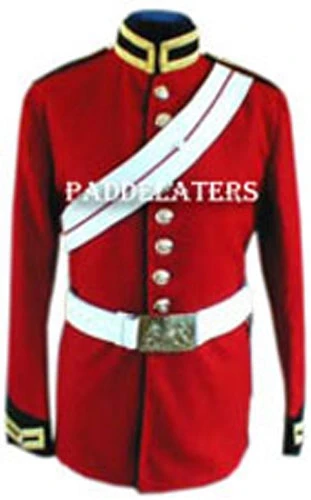
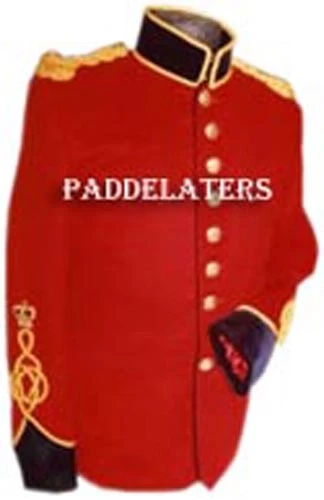
- Bright colors (red and blue) used for identification.
- Decorative elements like epaulettes and sashes.
- Less focus on camouflage, more emphasis on display.
World War I British Soldier Uniform
- Functional khaki and earth tones.
- Gear designed for trench warfare.
- Shift from tradition to practicality.
British WW2 Uniforms (1939–1945)
- Larger-scale production, with improved comfort and durability.
- Replaced puttees with anklets for easier wear.
- More specialized uniforms (paratroopers, tank crew, commandos).
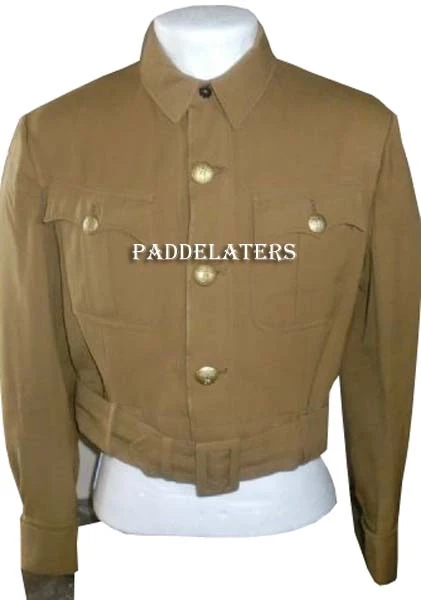
- Battle Dress of 1937 became iconic across theaters of war.
Actionable Tips for Collectors of British Military Uniforms
If you’re just starting or planning to expand your collection, here are practical steps:
Step 1: Learn the Basics
- Study uniform evolution from British military uniforms 1800s to WW2.
- Use museum references and military history books.
- Join forums dedicated to militaria enthusiasts.
Step 2: Spotting Authentic World War 1 British Soldier Uniforms
Look for:
- Original stitching and wool texture.
- Service numbers or manufacturer stamps.
- Signs of age—faded fabric, wear on cuffs and collars.
Step 3: Avoid Common Pitfalls
- Reproductions: Many reenactor uniforms resemble originals but lack period authenticity.
- Overpaying: Research average market prices before bidding or purchasing.
- Ignoring Provenance: Always ask for origin details and previous ownership.
Step 4: Preservation
- Store in acid-free garment bags.
- Keep away from sunlight and moisture.
- Avoid dry-cleaning—specialist conservation methods are recommended.
Current Trends in Studying and Collecting British Military Uniforms
Even today, interest in British WW1 and WW2 uniforms continues to rise:
- Reenactments & Living History: Events across Europe and the UK showcase replicated uniforms, bringing history alive.
- Digital Archives: More photographs, service records, and uniform guides are accessible online.
- Collecting Combinations: Some collectors build displays comparing WW1 British uniforms with WW2 counterparts for educational exhibits.
- Market Value Trends: Original WW1 uniforms are increasingly rare, driving higher collector value, especially complete sets with webbing and helmets.
Common Pitfalls When Researching British Military Uniforms
- Confusing WW1 khaki uniforms with early WW2 versions.
- Misinterpreting officer insignia versus enlisted ranks.
- Mixing up 1902 Pattern service dress with specialist uniforms like tropical gear.
- Trusting unverified sellers over established militaria dealers.
How Beginners Can Start Their Journey
If you’re fascinated by the World War 1 British soldier uniform but unsure where to start:
- Visit Museums: Imperial War Museum (London), National Army Museum, and regimental museums have preserved specimens.
- Start Small: Begin with accessories like cap badges, buttons, or belts before moving to complete uniforms.
- Engage in Community: Join reenactment groups or collector associations to gain hands-on experience.
- Read Widely: Combine visual study with soldiers’ diaries and wartime photographs for context.
Conclusion
The story of British military uniforms in World War I isn’t just about fabric—it’s about identity, adaptation, and survival under unimaginable conditions. By learning the details, recognizing authenticity, and avoiding common pitfalls, you can immerse yourself in history in a tangible way.
Whether you’re a budding collector, a researcher, or someone simply drawn to the aesthetics of military history, taking active steps today will help you appreciate and preserve these uniforms for generations.
👉 Your next step? Start by comparing a World War 1 British soldier uniform with a British WW2 uniform side by side—you’ll be amazed at how history tells its story through fabric and design.
REQUISITION RELATED GEAR
EXPLORE MORE FIELD REPORTS
Browse all published guides and history articles.
