FRENCH ARMY UNIFORM GUIDE: HOW TO BUY THE RIGHT REPRODUCTION OR COSTUME
Introduction: Why “French Army uniform” is not as simple as it sounds (PAS)
When you search for a French Army uniform, you quickly find a problem: the term can mean many different things. A French soldier in 1914 did not dress the same as one in 1916, and a Foreign Legion parade uniform does not look like a field uniform. Online, many sellers also mix words like “replica,” “reproduction,” and “costume” as if they all mean the same thing.
That is where the trouble begins. You might order a “French uniform” thinking it will look close to a museum example, but what turns up is a thin costume with the wrong shape, wrong buttons, and a color that does not match the period at all. If you are doing reenactment, film, theatre, or building a serious display, those details matter a lot. Even if you only want a french army uniform costume for a one-off event, you still want it to fit well and clearly look “French Army” to anyone who sees it.
This guide helps you avoid those problems. It explains what really makes a French Army uniform easy to recognize, then compares a french army uniform reproduction with a french army uniform costume, using real historical examples so you can buy (or build) the right set with fewer surprises.
Features: What makes a French Army uniform “look right”?
When people spot a French Army uniform, they usually react to a few key points: color, cut, headgear, and small details like buttons, badges, and trim. The exact mix changes with the time period, but the main building blocks stay similar.
Color and cloth: the “horizon blue” period (WW1)
One of the best-known French uniform looks is the World War I “horizon blue” style, a light blue-grey shade seen in many mid-war images. The Imperial War Museums describe a double-breasted “horizon blue” greatcoat that was brought in around August 1915 and not widely issued until about mid-1916.
This matters when you shop because “horizon blue” can be:
- Close to a grey-blue (more muted and period-correct), or
- Too bright and “sky blue” (very common in cheap costumes)
If a seller claims WW1 accuracy but does not mention the cloth type (wool or synthetic) or cannot show the color in natural light, that is usually a warning sign.
Headgear: kepi vs steel helmet
Early in WW1, French troops often wore the kepi, a flat-topped cap with a small peak, before steel helmets became common. The kepi is strongly linked with French military dress in the late 19th and early 20th centuries.
Later, the M1915 Adrian helmet became the classic WW1 French shape. The Imperial War Museums note that the French M1915 Adrian helmet was introduced from July 1915, and early helmets were painted “horizon blue.” If you want to be seen as a WW1 French soldier at a glance, headgear is often the fastest way to get there.
Cut and build: why the shape matters
Even before you look at badges, the shape of the uniform tells a story:
- Greatcoats/capotes: often double-breasted, with clear shoulders and a heavy hang.
- Tunics/jackets: period-style front closures and pocket layout that change by model.
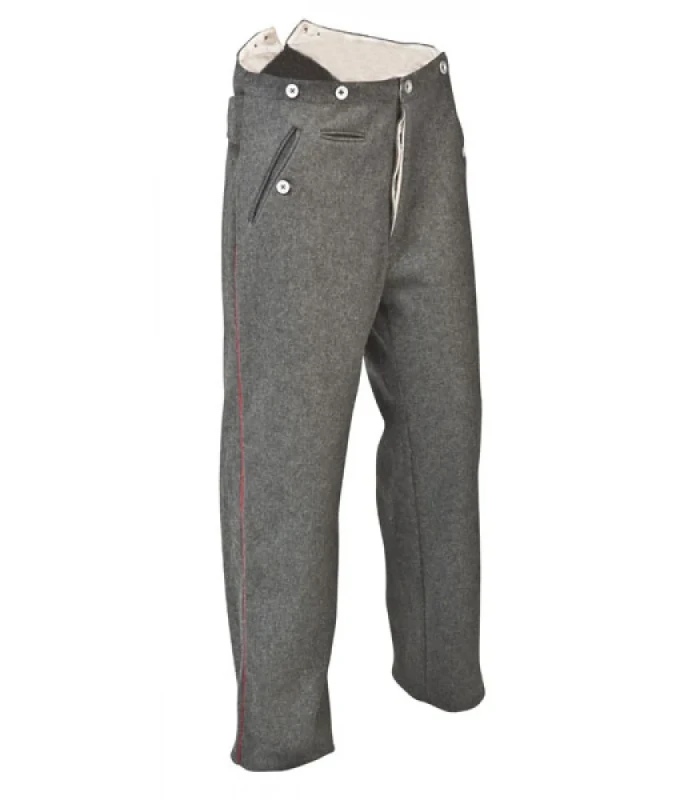
- Trousers: rise and leg shape vary by year and by unit type.
A costume usually copies the idea of the shape. A reproduction tries to copy the real pattern logic: how the cloth sits on the body, where the seams run, and how the collar closes.
Buttons, badges, and small details
The Adrian helmet often had branch badges on the front (for example, infantry or artillery), which helped make it easy to recognize.
These “small” parts are also where cheap outfits show their weak spots, such as:
- Very shiny plastic buttons
- Wrong badge shape
- Badges placed too high or too low
- Modern Velcro where visible stitching should be
French Army uniform reproduction vs costume: what are you really buying?
Both options can be useful. The key is to match what you buy to how you plan to use it.
What a french army uniform reproduction usually tries to deliver
A french army uniform reproduction aims to act like the original garment in both look and feel. In practice, better reproductions often focus on:
- Cloth choices (often wool or wool-blend for WW1-style clothing)
- Correct weight and hang (good coats feel heavier and hang better)
- Period-style hardware (metal buttons, real buckles, stitched badges)
- Pattern accuracy (collar height, pocket shape, seam layout)
Best uses:
- Reenactment
- Museum-style display
- Film or TV where the camera comes close
- Collectors who care about detail and history
What a french army uniform costume is made for
A french army uniform costume is mainly designed for comfort, low price, and quick visual impact. That often means:
- Lighter cloth (polyester or cotton blends)
- Simple build (fewer panels and inner parts)
- Printed or generic badges
- Loose historical accuracy but easier sizing
Best uses:
- Themed parties
- School plays
- Short stage shows where the audience is far away
- One-time or rare events
A simple way to choose
- If people will stand close to you or photos and video matter, choose a reproduction.
- If you only need it for one evening, have a tight budget, and care most about comfort, a costume is usually enough.
Pros & Cons: side-by-side look
French Army uniform reproduction
Pros
- Looks more accurate in photos and close-up shots
- Better hang and shape, especially for coats
- Often more hard-wearing (stitching and hardware last longer)
- Easier to improve over time by adding correct gear and extras
Cons
- Higher upfront price
- Heavier cloth can feel warm
- Sizing can be less forgiving (period cuts can feel “odd” compared to modern fashion)
- You may need to wait longer if items are made to order
French Army uniform costume
Pros
- Usually cheaper and easier to buy
- Light and comfortable to wear
- Simple size ranges (S/M/L/XL)
- “Good enough” for casual or fun use
Cons
- Details may be wrong (buttons, badges, color)
- Cloth can look flat or shiny in photos
- Less tough if worn often
- Harder to upgrade part by part because the base garment does not follow real patterns
FAQs: Quick answers
- What is the easiest WW1 French look to build?
A “horizon blue” style coat with an Adrian helmet is recognized fast, since the helmet became standard from around mid-1915. - Did French soldiers really wear kepis in WW1?
Yes. Kepis were common early in the war before steel helmets became standard issue. - Was the Adrian helmet built to stop bullets?
It was mainly made to cut injuries from shrapnel in trench fighting, not to stop rifle bullets. - How can I avoid buying a “too bright” horizon-blue uniform?
Ask for photos in natural light, request cloth details, and compare the color with museum images instead of only using studio product photos. - What is the real difference between “replica” and “reproduction”?
Sellers use these words in loose ways, so do not trust the label alone. Check cloth content, stitching, hardware, pattern notes, and clear photos of key areas. - Can I mix costume parts with reproduction pieces?
Yes. A common method is to choose a reproduction for the main visible item (like coat or helmet) and use simpler items under it.
Real-world examples: what history and makers show
WW1: The horizon-blue greatcoat as the main piece
If you want a WW1 French look, the greatcoat or capote is often the main item. The Imperial War Museums record a horizon-blue greatcoat introduced in August 1915, which helps you avoid mixing early-war and mid-war parts in a way that looks wrong to people who know the history.
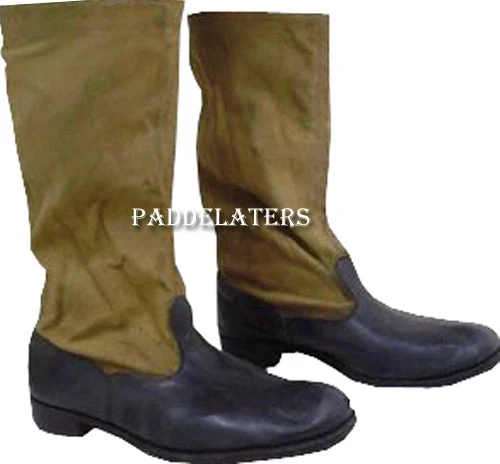
Reenactors often start with the coat because it shapes the whole look in outdoor photos. Once the coat is correct for the chosen year, they add matching items such as the helmet, belt, and period-style boots.
WW1: The Adrian helmet and instant recognition
The M1915 Adrian helmet has a shape that many people know even without other details. The Imperial War Museums note that it was introduced from July 1915 and that early helmets were painted horizon blue.
If you buy a reproduction helmet, look for:
- Correct crest shape
- Right badge style and position
- Paint that looks like real paint, not plastic shine
French Foreign Legion parade details: tradition vs “generic French”
Many people search “French Army uniform” but actually want a French Foreign Legion look, especially for parade or formal outfits. An official Legion source explains that the well-known parade epaulettes (green body and red fringes) took their classic form by 1868 and that this tradition was restored for good in 1946.
If you want a Legion-style parade outfit, generic “French officer costume” sets often miss the Legion details. Adding even one correct Legion sign, such as proper epaulettes or the right kepi style, can change how the whole outfit looks.
Modern use: reproduction vs costume in shows and events
- Stage play: A costume-level uniform usually works if the audience is 10–30 meters away and the show only runs a few nights.
- Short film or close-up photos: A reproduction makes more sense because the camera will show shiny cloth, wrong seams, and odd button spacing.
- Living history or long reenactment events: A reproduction often feels better over time because the garment hangs properly and moves with you instead of fighting your movement.
Conclusion: Pick the right “French Army uniform” and save money
A French Army uniform is not just one outfit. It is a group of looks that changed with time, unit type, and role (field or parade). The best way to avoid a bad purchase is to decide early whether you need a french army uniform reproduction (for accuracy, structure, and close-up realism) or a french army uniform costume (for budget, comfort, and quick effect).
Focus on the parts people notice first: color, cut, and headgear. Use museum images for key WW1 items like the horizon-blue greatcoat and the Adrian helmet when you want a more accurate look. If you are going for a Legion-style parade set, pay close attention to classic items like the green-and-red parade epaulettes to avoid a generic “French soldier” result.
REQUISITION RELATED GEAR
EXPLORE MORE FIELD REPORTS
Browse all published guides and history articles.
