AUSTRALIAN WORLD WAR 1 UNIFORM: A COLLECTOR’S GUIDE TO HISTORY, STYLE & PRESERVATION
Introduction:
Did you know that over 416,000 Australians enlisted in World War 1, each issued a unique military uniform reflecting rank, role, and theatre of service?
The Australian World War 1 uniform is more than just fabric and stitching—it’s a living memory of national service, sacrifice, and identity. For history enthusiasts, collectors, or even re-enactors, understanding and preserving these uniforms offers a tangible connection to the past.
Whether you're starting your collection or refining an existing one, this guide will walk you through everything you need to know—from recognising authentic pieces to avoiding modern replicas.
The Legacy of the Australian World War 1 Uniform
A Symbol of National Identity
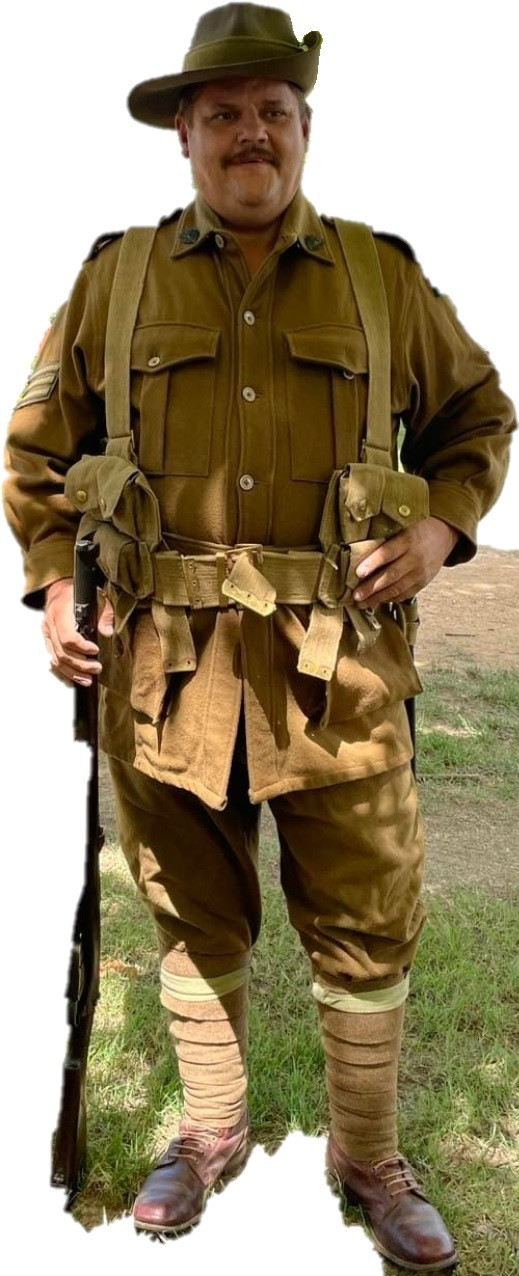
The Australian military uniform in WW1 was distinct from its British counterparts. Although the Australian Imperial Force (AIF) was closely aligned with British forces, its uniforms had several unique elements:
- Khaki wool tunics with rising sun insignia
- Breeches or trousers with puttees (leg wrappings)
- Broad-brimmed slouch hats—a truly iconic Australian military symbol
Key Components to Recognise:
- Tunic: Four-pocket design, typically made from wool serge
- Badges: Rising Sun badge on the collar and buttons
- Rank Insignia: Chevrons or pips, usually on sleeves or shoulders
- Slouch Hat: Often adorned with a unit or corps badge and a plume for some divisions
Why Collect Australian World War 1 Uniforms?
Collecting Australian military uniforms offers both emotional and historical rewards. Whether you're fascinated by military strategy or family heritage, owning a real piece of history is powerful.
Top Reasons to Start Collecting:
- Preserving history for future generations
- Deepening your understanding of military service
- Participation in reenactments or historical displays
- Investment potential in the growing militaria market
How to Identify an Authentic Australian World War 1 Uniform
H2: Australian World War 1 Uniform – Authenticity Checklist
Before making a purchase or accepting a donation, use this checklist to help identify a genuine WW1 Australian uniform:
✅ Fabric & Stitching
- Original tunics were made from wool serge—a thick, heavy fabric
- Machine stitching should appear uneven by modern standards
✅ Badges & Insignia
- Look for aged metal or oxidised brass Rising Sun badges
- Fakes often use plastic or freshly cast metals
✅ Maker’s Marks
- Authentic uniforms often include stamps such as:
- “Commonwealth Clothing Factory”
- Military depot numbers
- Date stamps between 1914–1918
✅ Buttons & Fasteners
- Buttons often bear the King's crown and "Australia" wording
- Avoid shiny, new, or generic buttons
✅ Slouch Hat Details
- Original hats are usually felted rabbit fur with leather chin straps
- Many fakes skip the leather or use synthetic straps
Common Pitfalls in Uniform Collecting
H2: Avoid These Mistakes When Buying an Australian World War 1 Uniform
As interest in military memorabilia grows, so does the market for replicas and fakes. Here’s how to avoid wasting your money or misrepresenting history:
❌ Buying Without Documentation
- Always ask for provenance: Where did it come from? Is there a veteran’s story attached?
❌ Ignoring Repairs and Alterations
- Many real uniforms were altered post-war. While this isn’t a deal-breaker, it can affect value.
❌ Confusing WW1 and WW2 Uniforms
- The Australian World War 2 dress uniform is subtly different—darker tones, different fabric cuts, and new insignias. Please don’t mix them up!
❌ Overpaying for Replicas
- Some sellers pass off modern reenactment gear as original. Check fabric, stitching, and weight.
❌ Skipping Professional Help
- New collectors should consider consulting with a militaria expert or joining forums like the Australian Militaria Collectors Society.
Preservation Tips: Keep Your Uniforms in Top Condition
How to Store and Display Australian Military Uniforms
Preservation is crucial if you want your Australian uniform to last for decades—or even centuries.
Storage Tips:
- Avoid plastic bags: Use acid-free tissue and breathable cotton covers
- Store in a climate-controlled room—avoid heat, humidity, and sunlight
- Use padded hangers for tunics and coats
Display Tips:
- Use UV-filtering glass if framing
- Never staple or pin through the fabric
- Consider mannequins for full-uniform display (use non-acidic foam)
Cleaning Advice:
- Never machine-wash vintage uniforms
- Consult a textile conservator for stains or repairs
- Vacuum gently with a soft brush attachment to remove dust
H2: Modern Trends in Collecting Australian World War 1 Uniforms
The rise of historical interest, films, and digital archives has made WW1 uniform collecting more accessible and popular than ever.
Trending Now:
- Digital verification of provenance through veteran service records (available on the National Archives of Australia)
- 3D-printed replicas for reenactment that don’t damage originals
- A growing market for complete kit sets, including belts, boots, and helmets
- Cross-collecting with Australian World War 2 dress uniforms to compare evolution over time
Real-Life Example: A Collector's Journey
Mark Davies, a Brisbane-based collector, started with just a WW1 Rising Sun badge from his grandfather. Over ten years, he’s built a full set of Australian military uniforms from 1915–1918.
“Each piece tells a story. I found a tunic with a handwritten note in the pocket—turns out it belonged to a stretcher bearer at Gallipoli. That’s irreplaceable,” he says.
Mark now volunteers at a local war museum and educates school groups on Australian war history.
H2: Where to Find Authentic Australian World War 1 Uniforms
- Online Auctions: eBay (be cautious!), Militaria dealers
- Military Collectable Shows: Look for Australian-based events
- Reputable Dealers: Like JB Military Antiques, The Militaria Shop
- Estate Sales or RSL Clubs: Sometimes uniforms are passed down or donated
- Online Forums: Great for vetting authenticity and getting advice
Conclusion: Start Your Journey with the Australian World War 1 Uniform
The Australian World War 1 uniform isn’t just a relic—it’s a gateway into one of the most significant periods of Australia’s history. Whether you’re a beginner collector, a reenactor, or simply passionate about military history, taking the time to learn about, identify, and preserve these uniforms is both rewarding and vital.
REQUISITION RELATED GEAR
EXPLORE MORE FIELD REPORTS
Browse all published guides and history articles.
