WW1 GERMAN UNIFORMS: YOUR ESSENTIAL GUIDE TO AUTHENTIC REPRODUCTIONS AND FEATURES
Introduction: The Allure of WW1 German Uniform Components
The allure of WW1 German uniforms lies in their historical significance, unique design, and rich cultural impact. These uniforms are a crucial part of World War I history and remain highly popular among collectors, reenactors, and history enthusiasts alike. At Paddelaters.com, we specialize in providing high-quality, historically accurate uniform reproductions, crafted with attention to detail and authenticity.
This guide will walk you through the key components of a WW1 German uniform, offer valuable tips for choosing the right pieces, and compare them with uniforms from other world wars. Whether you’re looking for a WW1 German uniform for a reenactment, your collection, or a World War II soldier outfit, you’ll find the insights you need to make an informed purchase.
Historical Significance of WW1 German Uniforms
The German Empire during WW1 was known for its distinctive military uniforms, which became iconic symbols of the conflict. The Pickelhaube (spiked helmet), feldgrau (field gray) tunics, and Kaiserliche Armee insignia were instantly recognizable and represented the military prowess of the German Empire. These uniforms were not only functional but also a matter of national pride, as they showcased both the power and discipline of the soldiers.
The harsh realities of war influenced the design of WW1 German uniforms. They were crafted for practicality, with materials that could withstand the tough conditions of trench warfare. Over time, these uniforms have become a symbol of military history, with collectors and reenactors striving for authenticity in their reproductions.
Key Features of WW1 German Uniform Components
When purchasing a WW1 German uniform, it’s crucial to pay attention to several key components to ensure authenticity, durability, and historical accuracy. Below, we’ll break down the main features to consider:
1. Fabric and Materials
Authentic WW1 German uniforms were made from wool, cotton, and leather, often dyed in the field gray (feldgrau) color to suit the military’s needs for camouflage and durability. Modern reproductions use similar materials to ensure the right look and feel.
2. Pickelhaube (Spiked Helmet)
The Pickelhaube is one of the most iconic symbols of the German military during WW1. This helmet featured a metal spike on top and was often adorned with distinctive regimental insignia. The helmet was typically made from leather with a brass spike, and its design varied depending on the rank and regiment.
3. Feldgrau Tunics and Breeches
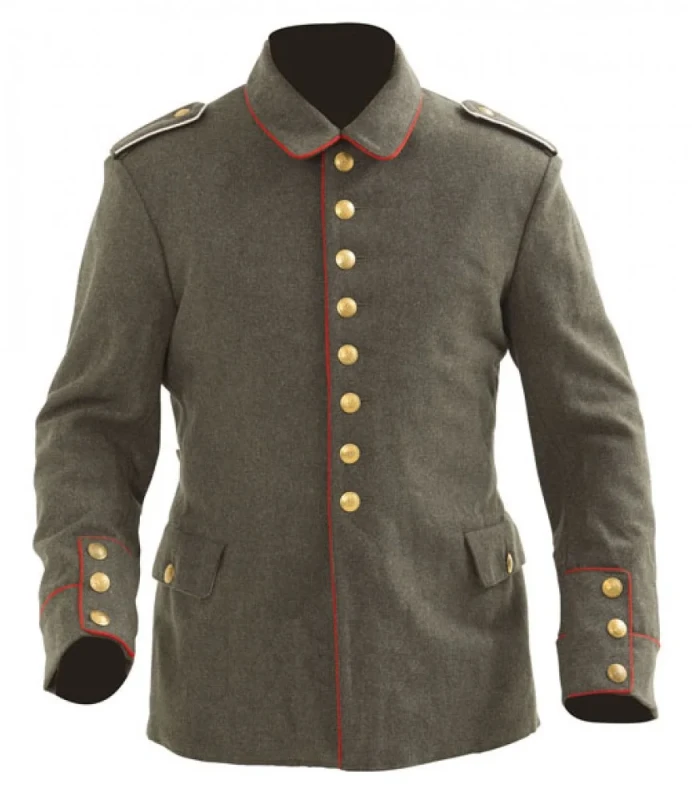
The feldgrau color of the tunic and breeches is one of the defining features of WW1 German uniforms. The tunic, often adorned with epaulettes and piping, was designed for both comfort and utility. Breeches were paired with high boots to protect during trench warfare.
4. Insignia and Buttons
Insignia, including the Eagle, and the button designs were an essential part of the uniform. These symbols of rank and regiment are crucial in determining the authenticity of a uniform reproduction.
5. Leather Gear and Accessories
Leather belts, pouches, and other accessories such as rifle slings were important elements of the uniform. These items were designed to hold essential gear and were made from durable leather to withstand the rigors of the battlefield.
WW1 German Uniforms vs. WW2 Uniforms and British Uniforms
While both WW1 and WW2 German uniforms share some similarities, there are notable differences that distinguish them. Understanding these distinctions can help you decide which uniform is most suitable for your needs.
Differences Between WW1 and WW2 German Uniforms
WW1 German uniforms featured more elaborate designs, including the Pickelhaube helmet and gilt buttons, which were later replaced in WW2 by the simpler M35 Stahlhelm helmet. WW2 German uniforms were also made from more functional materials like HBT (Herringbone Twill) fabric, and the design emphasized greater practicality over aesthetics.
Comparing German and British Uniforms
British WW1 uniforms, such as the 1914 Pattern Service Dress, were notably different in terms of color, cut, and design. While the Germans favored their field gray, the British opted for a khaki color, and their tunics and headgear were less formal than their German counterparts. Reenactors often enjoy comparing and contrasting these uniforms to understand the military cultures of each nation better.
Use Cases for WW1 German Uniforms
Reenactments
WW1 German uniforms are popular among reenactors who strive for historical accuracy. Whether you’re participating in a full-scale battle reenactment or a smaller event, these uniforms are a key part of creating an immersive experience. The authenticity of the uniform plays a big role in achieving historical accuracy.
World War 2 Soldier Outfit
While not directly related to WW2, a WW1 German uniform can often be repurposed in broader historical reenactments or as part of a soldier’s collection, representing the evolution of military uniform design between the two wars.
Collectors
For collectors, owning a piece of history is invaluable. A high-quality reproduction can become an important part of any military collection, whether as a display piece or as part of a historical study.
Tips for Choosing High-Quality Reproductions
Choosing the right WW1 German uniform reproduction requires attention to detail and an understanding of what makes a reproduction truly authentic. Below are some tips to help you make the best choice:
- Check the Material: Authentic-looking fabric is crucial for an accurate reproduction. Look for high-quality wool, cotton, and leather.
- Examine the Craftsmanship: Look for clean stitching and well-made buttons. These elements should reflect the craftsmanship of the original uniforms.
- Vendor Reputation: Choose a reputable vendor like Paddelaters.com to ensure that the reproduction is accurate and of high Quality.
- Fit: Ensure the uniform fits well, as historical accuracy extends beyond appearance. Proper fit can significantly enhance the authenticity of the look.
Comparison Table: WW1 German Uniform Types
Uniform TypeOfficerEnlisted Soldier
Helmet Pickelhaube (Leather & Brass) Pickelhaube (Leather & Brass)
Tunic Material Wool (Feldgrau) Wool (Feldgrau)
Insignia Gilt Buttons, Rank Insignia Simple Buttons, Fewer Insignia
Breeches & Boots Wool Breeches, Tall Leather Boots Wool Breeches, Tall Leather Boots
Price Range Higher (due to Quality and detail) Moderate to High
Key Considerations for Buying a WW1 German Uniform
FactorConsideration
Authenticity: Look for vendors that provide historically accurate reproductions.
Material Quality: Ensure the use of traditional fabrics like wool, leather, and cotton.
Fit: Make sure the uniform fits well for comfort and authenticity.
Vendor Reputation Choose a trusted supplier like Paddelaters.com to guarantee high Quality.
FAQs: Your Guide to WW1 German Uniforms
- What makes a WW1 German uniform authentic?
- Authenticity is achieved through the use of period-correct materials, such as wool, leather, and brass, as well as accurate insignia and design elements.
- How do WW1 and WW2 German uniforms differ?
- WW1 uniforms were more elaborate and decorative, with helmets like the Pickelhaube and bright insignia, while WW2 uniforms focused on practicality with simpler designs.
- Are WW1 German uniforms suitable for Halloween costumes?
- While they can be worn as costumes, it's important to ensure that the uniform is not misused for disrespectful purposes, especially given the historical significance.
- What is the best way to maintain a WW1 German uniform?
- Keep your uniform in a cool, dry place, and avoid cleaning it too frequently to preserve its fabric and authenticity.
- Where can I purchase high-quality WW1 German uniforms?
- Paddelaters.com offers a variety of authentic WW1 German uniform reproductions. You can explore their collection here.
Conclusion
For history enthusiasts, reenactors, and collectors, owning an authentic WW1 German uniform is a way to bring history to life. Whether you're looking to purchase a uniform for a reenactment, as part of a collection, or for another purpose, Paddelaters.com offers high-quality, historically accurate reproductions. Explore their collection today and immerse yourself in the rich history of the Great War.
REQUISITION RELATED GEAR
EXPLORE MORE FIELD REPORTS
Browse all published guides and history articles.
