WWI AMERICAN UNIFORM PARTS: A COLLECTOR’S GUIDE TO MILITARY UNIFORM BLUE & HISTORICAL GEAR
Introduction:
Did you know that a complete WWI American uniform can increase in value by over 50% if it includes all original parts?
Military uniform collecting isn’t just a niche hobby—it’s a growing passion among history buffs, reenactors, and antique collectors. Whether you're fascinated by the symbolism of the military uniform blue or curious about the design differences between a female Marine officer uniform and a German WWII winter uniform, this guide is your launchpad.
In this article, we dive into:
- The key components of WWI American uniforms
- How to distinguish originals from replicas
- Modern trends in military uniform collecting
- Practical buying and preservation tips
- Let’s march straight into the world of wartime fashion and function.
H2: Understanding WWI American Uniform Parts
WWI American uniforms were designed for functionality, durability, and symbolism. If you're new to collecting or studying these uniforms, here's a breakdown of the major components:
H3: Essential Uniform Parts
- Tunic (Blouse)
- Made of wool with a standing collar
- Featured branch insignia and rank patches
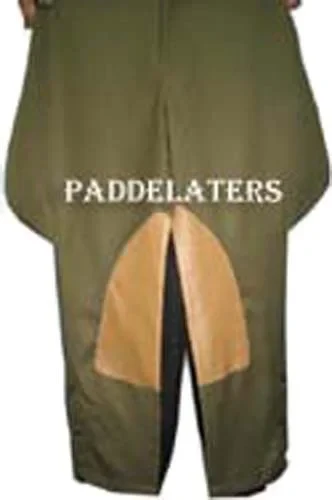
- Trousers
- Often wool breeches, tight at the calves
- Designed to be worn with puttees (leg wraps)
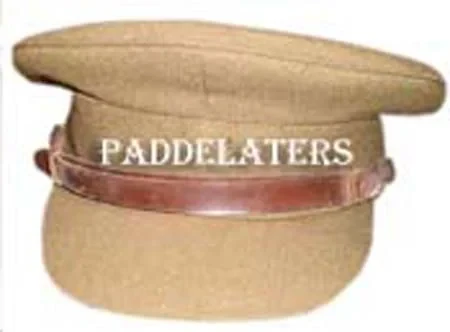
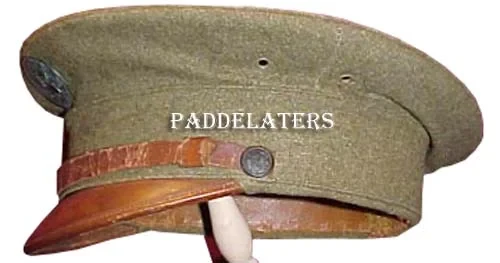
- Service Cap or Overseas Cap
- Standard issue headgear, but the Marine Corps officer's dress cover stood out with a distinctive design
- Puttees and Boots
- Woolen wraps are used to protect the legs
- Leather boots were a must-have and now a collector’s gem
- Insignia and Badges
- Essential for identifying rank, unit, and branch
- Missing or incorrect insignia can reduce a uniform's value
H3: Specialty Uniform Variations
- Female Marine Officer Uniform:
- Introduced later but still a collector's favorite; highly rare due to limited issuance.
- Navy Corpsman Marine Uniform:
- Unique hybrid style with elements from both Navy and Marine attire.
- German WWII Winter Uniform (for comparison):
- Designed for harsh winters with heavy wool and fur lining—frequently mistaken as WWI due to similar aesthetics.
H2: Actionable Steps for Collectors and History Enthusiasts
Whether you’re starting a collection or expanding it, the following steps will help you build a valuable and authentic portfolio.
H3: Step 1 - Know the Source
- Reputable Dealers: Use known military antique dealers with good reviews.
- Estate Sales & Auctions: Often feature items with documented history.
- Online Platforms: Use with caution; verify authenticity before purchasing.
H3: Step 2 - Verify Authenticity
Look for:
- Stitching Patterns: Originals usually have hand or early machine stitching.
- Material Quality: Authentic wool feels denser and heavier.
- Markings: Internal stamps with date and contract numbers (e.g., "U.S. Army 1918").
Pro Tip: Compare with museum references or purchase a uniform reference guide.
H3: Step 3 - Preserve with Care
- Store in a Climate-Controlled Environment: Wool attracts moths and deteriorates in humidity.
- Avoid Direct Light: Fades the iconic military uniform blue.
- Use Padded Hangers: To maintain shape and avoid stretching.
H2: Trends in Military Uniform Collecting
The market for military gear has evolved. While combat gear remains popular, dress uniforms like the Marine Corps officer dress cover are gaining traction among both male and female collectors.
H3: Current Hot Items (2025 Trends)
- WWI American Officer Tunics
- Female Marine Officer Uniforms
- German WWII Winter Uniforms (authentic ones, not reproductions)
- Navy Corpsman Marine Uniforms
- Uniforms with Documented Provenance
H3: Commercial vs. Informational Trends
- Informational (50% Intent)
- People are researching for historical knowledge or reenactment accuracy.
- Commercial (50% Intent)
- Buyers are actively searching to purchase uniforms or parts from trusted vendors.
This dual-intent trend means there’s room for both education and commerce in the collecting community.
Common Pitfalls to Avoid
Even experienced collectors can fall into these traps:
- Buying Replicas as Originals
- Modern reproductions are good—but not good enough to fool a trained eye.
- Overpaying for Incomplete Sets
- Always ask: Are all original parts included?
- Ignoring Female Uniforms
- The female marine officer uniform is undervalued—this is a goldmine for savvy collectors.
- Neglecting Uniform Accessories
- Belts, buttons, insignias, and even leggings significantly affect value.
H2: Real-Life Example: Turning Passion into Investment
Meet Sarah, a WWI enthusiast who started by buying a single military uniform blue tunic at a flea market for $75. After years of learning and networking, she now runs a successful e-commerce store selling authenticated military gear.
What helped her succeed?
- Deep research
- Building a trusted network of dealers
- Consistently avoiding “too good to be true” deals
Conclusion: Start Your Journey with Purpose
Whether you're an admirer of military history, a reenactor, or an aspiring collector, understanding the parts of a WWI American uniform opens up a world of history, stories, and even potential investment.
Explore:
- The striking detail of the military uniform's blue
- The evolution from German WWII winter uniforms to modern Navy corpsman marine uniforms
- The cultural importance of items like the female marine officer uniform
REQUISITION RELATED GEAR
EXPLORE MORE FIELD REPORTS
Browse all published guides and history articles.
