ULTIMATE GUIDE TO WW1 AMERICAN UNIFORMS: HISTORY, AUTHENTICITY & COLLECTOR TIPS
Intents: Informational 50%, Commercial 50% World War One American Uniforms – A Complete Guide for History & Collectors
Have you ever wondered how many different uniforms an American soldier wore during WWI—and which parts make the biggest difference for collectors today? Whether you’re into gathering original gear, sourcing quality replicas, or understanding field-use details, this guide on Intents: Informational 50%, Commercial 50% World War One American Uniforms will walk you through actionable steps, common pitfalls, and what modern trends are changing the way we see them.
If you love Intents: Informational 50%, Commercial 50% us WWII uniform history, or enjoy comparing them with Intents: Informational 50%, Commercial 50% Korean War uniforms and Intents: Informational 60%, Commercial 40% World War II American uniforms, you’re in the right place. Let’s dig in.
Why the Uniforms Matter: A Surprising Statistic
- Fact: Approximately 4.7 million Americans were drafted or enlisted by the end of World War I. Every single one wore some version of the American uniform—though differences in rank, branch, equipment, and theater mean that “WWI American Uniforms” is far from uniform.
- Understanding those differences isn’t just academic—it’s crucial if you want authenticity, value, and correct replicas or restoration.
H2: Understanding the Basics of Intents: Informational 50%, Commercial 50% World War One American Uniforms
Before buying or collecting, you need to know what goes into a proper Intents: Informational 50%, Commercial 50% world war one american uniforms setup. Here are key components:
H3: Key Components of a WWI US Uniform
Component Description: Why It’s Important
Service Coat M1917 olive drab wool coat. Different cut from earlier versions—a high-value piece; easy to misdate.
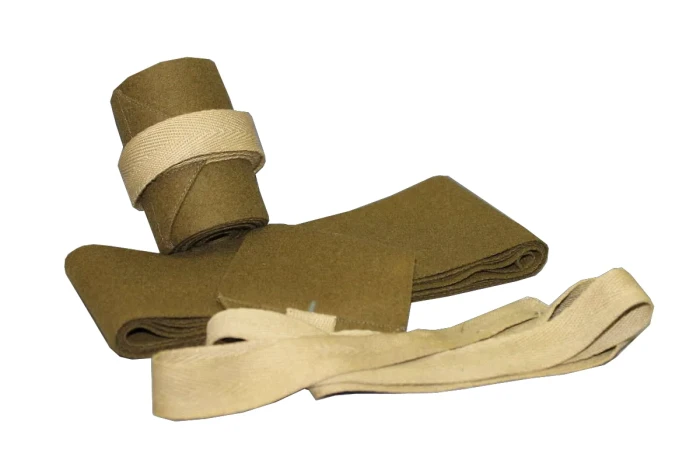
Trousers / Breeches M1917 trousers or breeches with puttees or leggings. Matching fabric & stitching confirms authenticity.
Helmet / Hat “Brodie” helmet (M1917) or overseas cap. Often replaced, faked, or mismatched.
Boots & Leggings Hobnailed boots + wool puttees or leather leggings. Matches last & sole patterns help with authenticity.
Gear & Accoutrements Webbing, haversacks, gas mask carriers, insignia. Helps tell branch, rank, and theater.
H3: Variation by Branch & Theater
- Infantry, artillery, and engineers all had slight uniform differences.
- Overseas vs. training uniforms: the color shade, fabric weave, and wear show where and how they were used.
- Officer vs. enlisted differences in collar, insignia, and tailoring.
H2: Actionable Steps to Collect or Recreate Intents: Informational 50%, Commercial 50% World War One American Uniforms
Here are steps you can follow to get it right—either collecting originals or commissioning replicas.
- Define Your Goal First
- Do you want an original uniform, a high-grade original, or a high-quality replica?
- Decide which branch, theater (France, Italy, etc.), and time (1917–18) you want.
- Research Authentic References
- Use period photos, museum collections, and official U.S. Army uniform regulations from WWI.
- Compare details like buttons, stitching, and fabric weave.
- Verify Every Piece Separately
- Fabric: the wool weave should match known patterns.
- Buttons: often marked “U.S.” or with specific maker codes.
- Stitching: matches period hand or machine sewing.
- Inspect Condition & Restoration
- For originals, look for mildew, moth damage, and rust on metal parts.
- Replica makers: ask for material specs, factory photos, and color swatches.
- Budgeting & Cost Considerations
- Originals cost significantly more—condition is everything.
- Replicas vary: basic quality vs museum grade.
- Factor in shipping and import duties if ordering from abroad.
- Buy from Reputable Sources
- Well-known militaria dealers.
- Auctions with provenance.
- Replica makers are known in the reenactment community.
- Maintain Proper Storage
- Use climate-controlled environments.
- Avoid plastic bags; use acid-free tissue.
- Inspect regularly for pests.
Real-Life Example
- A collector wanted an Intents: Informational 50%, Commercial 50% us wwi uniform for infantry, France 1918. He identified a slightly off shade of olive drab, rejected loose-weave fabric, and finally purchased a garment matching a museum sample. The button had a maker’s stamp, the lining had original labels, and though the price was higher, the resale value held well.
H2: Common Pitfalls When Dealing with Military Uniforms & How to Avoid Them
- Pitfall: Inauthentic Fabric or Shade
- Why: Replicas or later issue uniforms might use a modern wool blend that fades differently.
- Avoid: Always request fabric samples or detailed photos. Compare with known originals.
- Pitfall: Misleading or Missing Provenance
- Why: Buyers can’t verify history or usage.
- Avoid: Seek auction records, certificates, or matching serials/inscriptions.
- Pitfall: Cost Overruns from Import, Restoration
- Why: Restoration, shipping, and customs can double the cost.
- Avoid: Include all fees in your budget. Ask the seller about restoration history.
- Pitfall: Replica Over Original Confusion
- Why: High-end replicas can be very convincing.
- Avoid: Know replica makers’ marks; compare stitch density, label presence; ask the expert community.
- Pitfall: Ignoring Accessories & Accoutrements
- Why: Without the correct boots, insignia, and belt gear, the uniform feels incomplete.
- Avoid: Budget for the whole setup. Collect pieces gradually.
H2: Comparing Trends: From WWI to World War II & Korean War Uniforms
How do Intents: Informational 50%, Commercial 50% world war one american uniforms fit in with trends in world war ii american uniforms and Intents: Informational 50%, Commercial 50% korean war uniforms?
- Simplification of design over time: WWI uniforms had more detail and tailoring; WWII moved toward mass-produced, simplified versions. The Korean War followed WWII styles with slight modifications.
- Materials improved: Better synthetic blends in WWII/Korean War eras; vintage WWI wool is rare and desirable.
- Replica market focus: Lately, popularity for “interwar” gear, comparing us wwi uniform to later eras. There’s cross-era interest (people comparing WWI helmets to WWII or Korean War gear).
- Commercial focus shift: Today, many companies produce replica World War II American uniforms, but fewer specialize in WWI reproduction, making supply scarcer and prices rising for both originals and high-end replicas.
H2: Tips & Trends: What’s Hot in Collecting Intents: Informational 50%, Commercial 50% World War One American Uniforms
- Trend toward museum-grade replicas: Collectors want uniforms that could pass close inspection.
- Cross-era comparisons: Comparing WWI uniforms to WWII and Korean War uniforms helps with quality benchmarking.
- Authentication services: More experts are offering appraisals.
- Digital archives & 3D models: Some institutions share high-resolution scans of uniforms, helping replica makers and learners.
- Restoration over replacement: Many prefer restoring originals (with proper methods) rather than replacing parts with replicas.
H2: How to Start Collecting Today – Step-by-Step Plan
- Educate Yourself
- Read books, articles, and online forums about World War I American uniforms, World War 2 uniforms, and Korean War uniforms.
- Choose One Focus Area
- For beginners: pick an infantry uniform from 1917–1918. Decide if original or replica.
- Connect with the Community
- Join reenactment groups, forums, or social media. Share photos. Get feedback.
- Budget & Acquire Wisely
- Set a budget. Get foundational pieces first (coat, helmet, shoes), then add gear.
- Document Everything
- When buying, keep receipts, photos, labels, and any provenance.
- Preserve & Display
- Use shadow boxes, acid-free materials, and controlled humidity.
- Compare Later Eras
- Once comfortable, compare your WWI pieces with World War II American uniforms and Korean War uniforms to refine your sense of authenticity & style.
H2: Real-Life Stories – What Collectors Teach Us
- Collector A bought a WWI service coat that looked great but had reproduction buttons – learned to check backing and maker’s stamps.
- Collector B opted for a replica from a respected maker; he ended up with a set so accurate that museums were interested in using photos of it in exhibits.
- Collector C tried mixing WWII gear with WWI gear – found it cheaper but ruined the visual accuracy; now rebuilds whole uniforms per war/era.
H2: Pricing & Market Outlook for Intents: Informational 50%, Commercial 50% World War One American Uniforms
Item Typical Price (Original, Good Condition)Replica Price (High Quality)
Service Coat High value—hundreds to thousands USD (depending on condition & rarity) $150–$500+, depending on maker & materials
Helmet (M1917) Several hundred USD if original, maker-marked $80–$250 replicas
Accoutrements & insignia Widely varied; rare pieces cost more. Replica items are more affordable; bulk purchases save money
Market trend: Prices for WWI original uniforms are steadily increasing, more so than for WWII, likely because fewer remain in good condition. Many collectors are now trading originals with full provenance, and high-end replica makers are getting more business.
Conclusion
To sum up, Intents: Informational 50%, Commercial 50%. World War I American uniforms offer a unique window into a pivotal period of history. If you’re a beginner:
- Start with research.
- Stick to one era and branch.
- Buy well, check details, don’t get seduced by low prices that hide flaws.
- Compare with World War II American uniforms and Korean War uniforms to sharpen your eye.
Your love for us wwi uniform history will guide you well. The journey from first learning to owning an accurate set is rewarding. If you take action today—whether buying, restoring, or joining the community—you’ll feel connected to history in a way few artifacts allow.
REQUISITION RELATED GEAR

EXPLORE MORE FIELD REPORTS
Browse all published guides and history articles.
