"WW1 US UNIFORM: A COMPLETE GUIDE TO UNDERSTANDING AND COLLECTING WW1 AMERICAN MILITARY GEAR"
Introduction: The Fascinating History of WW1 US Uniforms
Did you know that the United States' entry into World War I was a turning point not only in global politics but also in military fashion? The WW1 US uniform is one of the most iconic and influential designs in military history, with its distinctive features continuing to inspire modern military apparel and reenactment gear.
If you're a history enthusiast or a collector interested in WW1 reenactment equipment, you’re probably already familiar with the WW1 US uniform. But understanding the unique history, design, and evolution of this gear can be tricky without the right guidance. Whether you're considering collecting or want to delve deeper into the history of military uniforms, this article is for you.
We'll take a detailed look at the different aspects of the WW1 US uniform, share actionable steps for acquiring or recreating accurate gear, and discuss some common pitfalls you should avoid. Plus, we’ll explore trends in military reenactments and highlight related items, such as WW1 flying jackets and Spanish American War uniforms.
The Evolution of the WW1 US Uniform: Key Features and Changes
Early Designs and Key Features of the WW1 US Uniform
When the United States joined World War I in 1917, it had to quickly design uniforms that could meet the demands of modern warfare. The U.S. Army's design was influenced by the practical needs of the battlefield, with comfort, durability, and functionality taking precedence. The WW1 US uniform evolved significantly from earlier military attire, incorporating various elements that became iconic.
Here are some key features of the WW1 US uniform:
- The Doughboy Helmet (M1917): One of the most recognised elements, it provided essential protection from shrapnel.
- Olive Drab Wool: The standard issue colour, providing camouflage and durability in both trenches and battlefields.
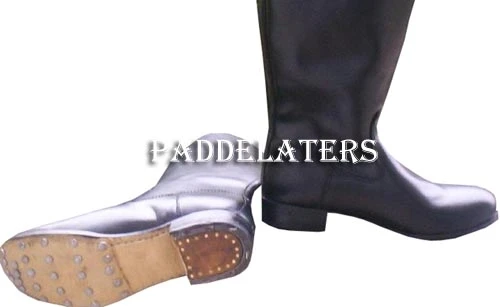
- Brogan Boots: Tough leather boots that provided comfort during long marches.
- M1912 Cartridge Belt: This belt was designed to hold ammunition, with metal clips for efficient reloading.
These items were carefully designed to meet the brutal conditions soldiers faced. Over time, however, the design of the WW1 US uniform was updated to improve functionality, especially when the war moved into more mechanised forms of warfare.
Comparing the WW1 US Uniform to Other Military Garb
When considering a WW1 US uniform, it’s important to understand how it compares to other military gear from the era, especially as military styles varied across different nations.
- Spanish American War Uniforms: Before WW1, U.S. troops wore lighter, more tropical outfits due to the warm climates of the Philippines and Cuba. These uniforms were less protective but more comfortable in tropical regions.
- German WWII Winter Uniform: A stark contrast to the U.S. uniforms in WW1, the German WWII winter uniform was designed for extreme cold. Its distinctive grey colour and heavy wool construction were built to withstand harsh European winters. It highlights how the same type of warfare can require different kinds of uniforms.
WW1 US Uniform for Reenactors: How to Get the Right Gear
Step 1: Understanding Authentic WW1 US Uniforms
For anyone interested in historical reenactments, it’s essential to understand the different components that make up an authentic WW1 US uniform. Here’s a breakdown:
- Service Coat (M1917): The M1917 service coat, made of olive drab wool, was the standard uniform for soldiers. It was cut to fit the soldier’s body and had pleated pockets for added functionality.
- Trousers: The wool trousers were designed for durability, ideal for life in the trenches. They were typically worn with suspenders.
- Tunic and Greatcoat: For cold weather, soldiers were issued a heavy wool greatcoat that provided extra warmth.
If you are interested in acquiring WW1 reenactment equipment, sourcing high-quality, authentic pieces is crucial for capturing the essence of the era. Pay attention to detail, as small elements like buttons, insignia, and stitching are key markers of authenticity.
Step 2: Sourcing High-Quality WW1 US Uniforms and Reenactment Gear
Once you know what to look for, it's time to find your gear. Here are some helpful tips:
- Authentic Military Surplus Stores: These stores often carry genuine items from the era. However, be aware of the condition, as some surplus items may be worn out.
- Specialised Reenactment Shops: Some shops specialise in producing historically accurate WW1 US uniforms and other period-specific gear. These retailers often offer custom tailoring options.
- Online Marketplaces: Websites like eBay may have a wealth of options, but it’s important to research the sellers and ask questions about authenticity before making any purchases.
Step 3: Common Pitfalls to Avoid
- Overlooking Minor Details: While it’s easy to focus on major pieces like jackets and helmets, small details (buttons, pins, etc.) can make a huge difference in authenticity.
- Purchasing Inauthentic Reproductions: Many WW1 US uniform reproductions on the market may look similar, but lack the exact materials or stitching used in the original items.
- Not Factoring in Fit: A uniform that doesn't fit correctly can detract from the overall look and feel. Ensure that you purchase items that fit your body type or are tailored to do so.
Trending Gear in the WW1 Reenactment Community
WW1 Flying Jackets and Their Growing Popularity
One of the most iconic pieces of military gear from World War I is the WW1 flying jacket. These jackets, often made of leather and lined with sheepskin, were designed for use by aviators. They were not only functional in protecting pilots from the cold but also became a symbol of bravery during the war.
If you’re looking for WW1 reenactment equipment, the WW1 flying jacket is becoming increasingly popular among collectors. They often feature distinctive details like fur-lined collars, oversized pockets, and large, bold zippers.
What’s Trending in WW1 and WW2 Reenactments
- Interwar Gear: There’s growing interest in Spanish American War uniforms and the transition into the early 20th-century military gear that spanned both WW1 and WW2.
- Vintage Military Gear: Collectors and reenactors are increasingly seeking out vintage military gear, such as the German WWII winter uniform, for historical accuracy.
Conclusion: Taking the First Step in Your WW1 US Uniform Journey
Whether you’re diving into the world of WW1 reenactment equipment or you’re a seasoned collector, understanding the ins and outs of WW1 US uniforms is crucial for building an authentic collection. By focusing on quality, avoiding common pitfalls, and staying up-to-date with trends, you’ll be well on your way to acquiring a truly remarkable piece of military history.
Take your passion for history one step further by sourcing and wearing an authentic WW1 US uniform. Not only will you be preserving a crucial part of history, but you’ll also be joining a vibrant community of collectors, reenactors, and history enthusiasts who appreciate the legacy of World War I.
REQUISITION RELATED GEAR
EXPLORE MORE FIELD REPORTS
Browse all published guides and history articles.
