WWI & WWII REENACTMENT EQUIPMENT: THE ULTIMATE GUIDE
Introduction
Did you know that World War I and World War II reenactments have become one of the most popular ways for people to engage with history? Reenacting significant battles, wearing authentic uniforms, and using period-correct weapons not only allows you to immerse yourself in the past but also helps keep history alive for future generations. According to a study, over 50% of reenactors say that their main motivation is to educate others about historical events.
If you're one of those history enthusiasts interested in stepping into the boots of a WWI soldier or a WWII German officer, then you're in the right place! This article will explore the essentials of WWI and WWII reenactment equipment, tips for getting started, and common mistakes to avoid.
Whether you're looking to participate in a local reenactment event or build your collection of war memorabilia, we've got you covered. Let's dive into the world of WWI reenactment equipment, WW2 reenactment supplies, and much more!
Choosing the Right WWI Reenactment Equipment
When it comes to reenacting wars like WWI and WWII, the most important thing is authenticity. From the WW1 German pilot uniform to war reenactment supplies, every piece of equipment plays a vital role in creating a realistic portrayal of history. Here are a few key things to keep in mind:
1. WW1 Reenactment Uniforms: Authenticity is Key
The first step in building your reenactment kit is choosing the right WWI reenactment equipment. This includes finding authentic uniforms, such as the WW1 German pilot uniform or the standard infantry uniform.
- German WW1 Uniform: A traditional German WW1 uniform consists of a Feldbluse (military tunic), pickelhaube (spiked helmet), and a set of boots. You’ll also need a pair of trousers and leather gloves for added authenticity.
- British and French WW1 Uniforms: For British reenactors, the iconic Brodie helmet and khaki-colored uniform are essential. Similarly, French reenactors typically wear a blue horizon uniform, which was standard in WWI.
2. Essential Gear for WWI Reenactment
To enhance your WWI reenactment experience, you'll also need to look for additional equipment. Consider these items:
- Backpacks and Gas Masks: WWI soldiers often carried small backpacks and gas masks due to the constant threat of chemical warfare.
- Weapons and Ammunition: Replica firearms like the Lee Enfield rifle or Mauser Kar98k are crucial for making the reenactment experience more authentic.
Tip: Many WWI reenactment enthusiasts recommend checking online WW2 stores for high-quality reproduction gear.
WWII Reenactment Equipment: Bringing the Past to Life
After WWI, the world was plunged into another global conflict—World War II. Like WWI reenactment, recreating the atmosphere of WWII requires careful attention to detail. The key to becoming an effective WW2 reenactor lies in having the right war reenactment supplies and knowledge of the period.
1. WW2 German Reenactment Equipment
The WW2 German reenactment scene is one of the most popular among history enthusiasts. A typical WW2 German reenactment setup includes:
- M42 Stahlhelm: A distinctive steel helmet worn by German soldiers throughout WWII.
- Field Tunics and Trousers: The SS and Wehrmacht both had different styles of tunics, so it’s crucial to know which division you’re portraying.
- Combat Boots and Equipment: Military boots, holsters, and pouches for ammo are also essential in completing your gear.
Common Pitfall: Many beginners make the mistake of purchasing subpar replicas. Be sure to read reviews and check for authenticity when selecting your gear from any WW2 store.
2. Uniforms and Supplies for Allied Forces
While German reenactments may get the most attention, Allied forces also have significant representation in WWII reenactments. Here are some key supplies you’ll need for Allied uniforms:
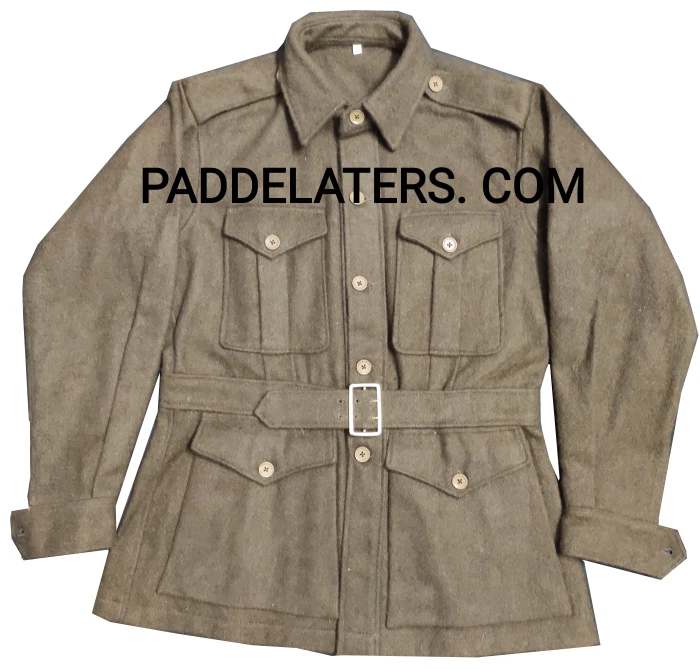
- U.S. Army Uniform: The M1941 field jacket and trousers are classic for American reenactors. Don’t forget the M1 helmet, which is a must-have.
- British Uniforms: The iconic Battle Dress (BD) and the steel helmet worn by the British soldiers are integral parts of the uniform.
3. Key WWII Reenactment Gear
- Weapons and Firearms: In WWII reenactments, replica weapons are often essential for authenticity. Common choices include M1 Garand rifles, MP40 submachine guns, and British Lee Enfield rifles.
- Tactical Gear: Pouches, grenade replicas, and binoculars help give your reenactment a true-to-life feel.
Actionable Steps to Start Your Reenactment Journey
Now that you know what gear you need, here’s a step-by-step guide to help you get started with your reenactment equipment:
1. Do Your Research
Before purchasing any war reenactment supplies, it’s crucial to do thorough research. This includes understanding the historical context of the uniforms and gear you're collecting.
- Read books: Many reenactors recommend reading books about WWI and WWII tactics, weapons, and soldier life.
- Watch documentaries: This will help you get a better understanding of the day-to-day experience of soldiers from both wars.
2. Join Online Communities
There are numerous online forums and social media groups where reenactors share their experiences and recommendations. By joining these groups, you can ask questions, seek advice, and learn about the best suppliers for WWI reenactment equipment.
3. Purchase High-Quality Reproductions
Make sure to buy from reputable dealers, especially for WW2 store purchases. High-quality reproductions will last longer and provide a more authentic reenacting experience.
Tip: Be wary of purchasing from unverified sources. Fake gear can detract from the authenticity of your reenactment and may even be unsafe to use.
4. Attend Events and Meet Fellow Reenactors
Once you’ve gathered your gear, consider attending a WWI or WWII reenactment event. This is a great way to meet other history enthusiasts and get a feel for the reenactment scene.
Common Mistakes to Avoid in Reenactment
Even seasoned reenactors make mistakes when it comes to war reenactment supplies and uniforms. Here are some common pitfalls to watch out for:
- Inaccurate Gear: Ensure your gear is as historically accurate as possible. Even small mistakes in uniform details can impact the authenticity of your portrayal.
- Ignoring Safety: Reenacting may involve firearms or other equipment. Always prioritise safety and follow the event rules.
- Neglecting Comfort: While historical accuracy is key, comfort should not be overlooked. Be sure that your boots fit properly, and your uniform allows for movement.
Conclusion: Step Into History with Confidence
Participating in WWI or WWII reenactments is a fantastic way to immerse yourself in history. By gathering the right WW1 reenactment equipment and war reenactment supplies, and avoiding common mistakes, you’ll be well on your way to portraying soldiers from the past with authenticity.
Whether you’re interested in a WW2 German reenactment or you want to don the uniform of a WW1 German pilot, start your journey today! The world of reenactment offers a unique opportunity to experience history firsthand.
REQUISITION RELATED GEAR

EXPLORE MORE FIELD REPORTS
Browse all published guides and history articles.
