Introduction (PAS Hook)
Ever wonder why a WW1 British soldier uniform still attracts collectors, reenactors, and history fans today? The reason is simple. These uniforms were not just clothing. They were survival gear built for trench warfare between 1914 and 1918. The wool fabric, the khaki color, the metal buttons, and the field equipment were designed for mud, rain, and long marches.
But here is the problem. Many people who want to own a World War 1 British uniform end up buying inaccurate replicas. Some modern reproductions use thin polyester fabric instead of the khaki serge wool used by the British Army. Others copy the wrong insignia or mix features from different years of the war.
This creates frustration for collectors and reenactors. You may spend a lot of money only to find that the tunic buttons are wrong, the pockets are shaped incorrectly, or the helmet is from the wrong production period.
The good news is that accurate WW1 British soldier uniforms still exist. Some are original pieces preserved by collectors. Others are carefully produced replicas based on museum records like those from the Imperial War Museum (London) and military archives.
In this guide we will look at how the British Tommy’s uniform actually worked, how it changed during the war, what makes originals different from replicas, and where collectors can find World War 1 British uniforms for sale today.
What Made WW1 British Uniforms Unique?
Key Features and Materials
When the First World War started in August 1914, British soldiers already wore a khaki uniform that had been developed during earlier colonial campaigns. The color and materials were chosen for practical reasons.
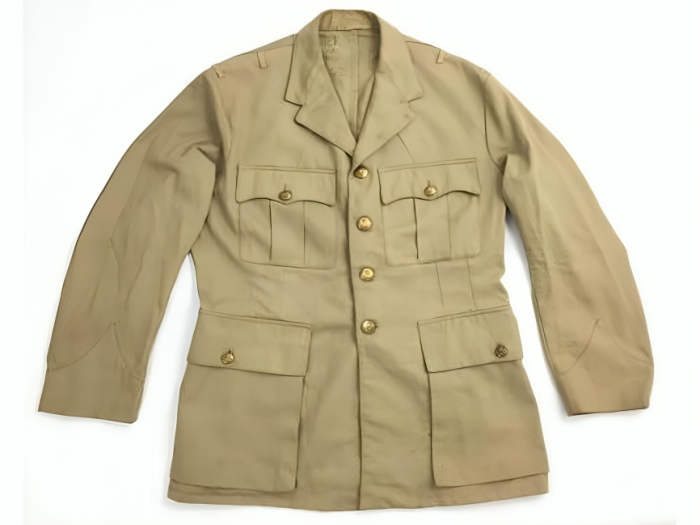
According to Imperial War Museum uniform records, the standard British soldier uniform included:
| Component | Material | Purpose |
|---|---|---|
| Service Dress Tunic | Khaki serge wool | Durability and warmth |
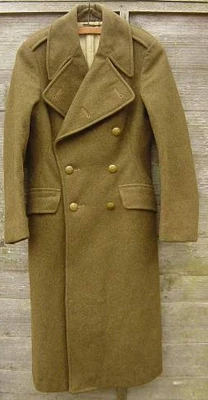
| Service Dress Trousers | Wool serge | Protection in cold trench weather |
| Puttees | Wool strips (3 m long) | Wrapped around lower legs |
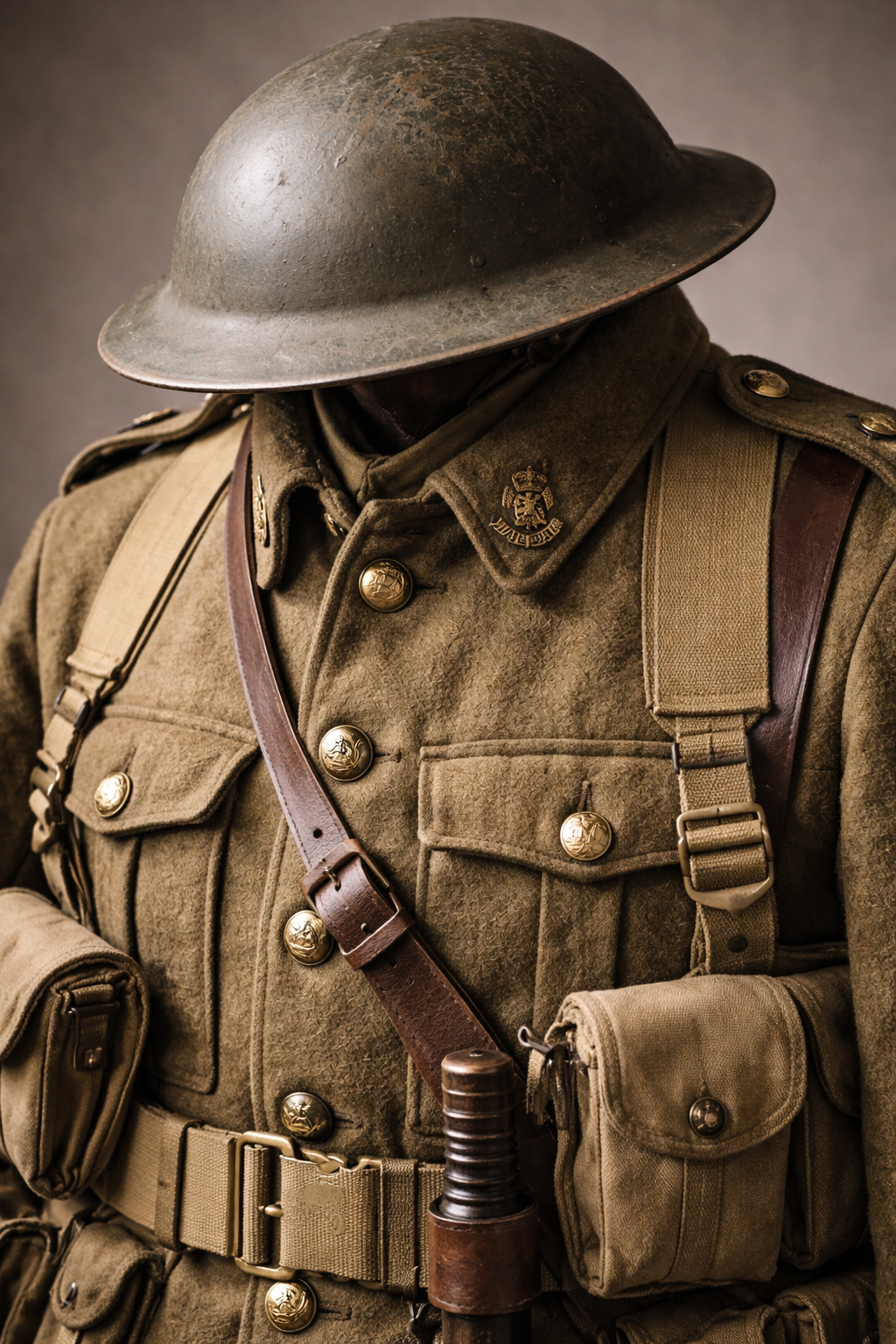
| Brodie Helmet (from 1916) | Pressed manganese steel | Protection from shrapnel |
| Leather Webbing | Vegetable-tanned leather | Carry ammunition and tools |
Important material facts:
-
Wool serge weight averaged 18–20 oz per yard
-
Standard khaki dye helped hide mud and dust
-
Tunic had four front pockets
-
Brass buttons carried regimental insignia
A typical WW1 British soldier kit also included:
-
Ammunition pouches
-
Bayonet frog
-
Water bottle
-
Entrenching tool
-
Gas mask bag (added after 1915)
Why Khaki Was Important
Before the Boer War (1899–1902), British soldiers wore bright red uniforms. Those colors made them easy targets for modern rifles. The shift to khaki helped soldiers blend into the landscape.
The word “khaki” comes from Urdu and Persian, meaning dust-colored.
Evolution of the British Tommy's Kit
From 1914 Khaki to 1918 Tweaks
The uniform of a British soldier changed several times during the war.
Early war uniforms were designed for traditional battles. But trench warfare forced many updates.
| Year | Uniform Changes |
|---|---|
| 1914 | Standard khaki service dress introduced |
| 1915 | Gas mask bags added |
| 1916 | Brodie helmet replaced cloth caps in combat |
| 1917 | Webbing gear improved |
| 1918 | Minor pocket and stitching adjustments |
The 1916 Brodie Helmet
One of the biggest changes came in 1916.
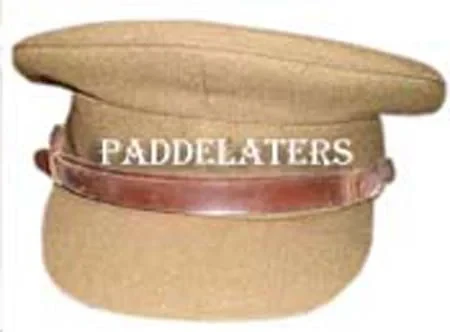
Before that, many British soldiers fought with only cloth caps.
The Brodie helmet, designed by John L. Brodie, used pressed manganese steel. It weighed around 1.1 kg and could stop shrapnel falling from artillery explosions.
Production numbers were large.
-
Over 7.5 million Brodie helmets produced during WW1.
Standard Soldier Equipment
A typical soldier carried about 27–30 kg of gear including:
-
Rifle (Lee-Enfield)
-
Ammunition
-
Entrenching tool
-
Water bottle
-
Rations
This equipment made the uniform system a complete combat kit, not just clothing.
Pros and Cons of Owning Original vs Replica WW1 British Uniforms
Collectors often debate whether to buy an original WW1 uniform or a replica.
Both options have advantages.
Pros of Original Uniforms
-
Real historical artifacts
-
Correct materials and stitching
-
Authentic regimental insignia
-
Collector value increases over time
Cons of Originals
-
Expensive
-
Fragile fabric after 100+ years
-
Hard to find complete sets
Pros of Replica Uniforms
-
Affordable
-
Wearable for reenactments
-
Easier to replace parts
Cons of Replicas
-
Some use synthetic fabric
-
Incorrect buttons or pocket design
-
Wrong helmet models
Comparison Table
| Factor | Original Uniform | Replica Uniform |
|---|---|---|
| Price | High | Moderate |
| Accuracy | Very high | Depends on maker |
| Durability | Low (age) | High |
| Collector value | High | Low |
Many reenactors use replicas for events while keeping original pieces for display.
Real-World Case Study: Restoring a 1916 British Officer's Uniform
A good example comes from a collector restoration project documented by military collectors in the UK.
The uniform belonged to a British officer serving in 1916 on the Western Front.
Condition of the Uniform
The uniform included:
-
Khaki wool officer tunic
-
Leather Sam Browne belt
-
Breeches
-
Brodie helmet
Problems found during restoration:
-
Missing brass buttons
-
Torn pocket seam
-
Faded shoulder rank insignia
Restoration Steps
The restoration followed museum guidelines.
-
Fabric cleaned using wool-safe solution
-
Missing brass buttons replaced with period-correct replicas
-
Stitching repaired using cotton thread similar to 1910s patterns
The final restored uniform closely matched records from the Imperial War Museum archive.
German Uniform Comparison
During the same period, German soldiers wore feldgrau uniforms.
Comparison:
| Feature | British Uniform | German Uniform |
|---|---|---|
| Fabric | Khaki wool serge | Feldgrau wool |
| Helmet | Brodie steel helmet | Pickelhaube (early) then Stahlhelm |
| Color | Khaki | Grey-green |
| Equipment | Webbing system | Leather belts |
The German Pickelhaube helmet, with a spike on top, proved ineffective in trench warfare. By 1916, Germany replaced it with the Stahlhelm steel helmet, similar in protective purpose to the British Brodie helmet.
World War 1 British Uniforms for Sale: Top Tips and Platforms
Finding World War 1 British uniforms for sale can be difficult if you are new to collecting.
However, several platforms regularly list them.
Major Places to Look
-
eBay
-
Amazon collector listings
-
Military auction houses
-
Reenactment suppliers
-
Collector forums
What to Check Before Buying
Always verify key details.
Checklist:
-
Fabric type (should be wool serge)
-
Button style
-
Regimental insignia
-
Correct pocket layout
-
Helmet type
Example Price Ranges
| Item | Typical Price Range |
|---|---|
| Original Brodie helmet | $250 – $900 |
| Officer tunic | $400 – $1500 |
| Full uniform set | $1200 – $5000 |
Prices depend heavily on condition and rarity.
eBay / Amazon Finds
Online marketplaces sometimes list good deals.
Tips:
-
Search using WW1 British soldier uniform
-
Check seller feedback
-
Compare with museum photos
-
Avoid listings with synthetic fabric
Many reenactors also buy from specialist suppliers who produce historically accurate replicas.
FAQs
What did WW1 British soldiers wear in battle?
They wore khaki wool service dress uniforms, leather webbing gear, puttees around their lower legs, and later the Brodie steel helmet for protection.
Why were British uniforms khaki?
Khaki helped soldiers blend into dusty or muddy environments. Bright colors used in earlier wars made soldiers easy targets.
How much gear did a WW1 British soldier carry?
Most soldiers carried about 27–30 kg including rifle, ammunition, rations, water bottle, and trench tools.
Are original WW1 uniforms still available?
Yes. Some survive in museums and private collections. Complete sets are rare and expensive.
What is the Brodie helmet?
The Brodie helmet was introduced in 1916. It was made from manganese steel and designed to protect soldiers from falling shrapnel.
How can you identify a real WW1 uniform?
Look for:
-
Wool serge fabric
-
Correct brass buttons
-
Period stitching patterns
-
Regimental insignia
Are replicas good for reenactments?
Yes. Many reenactors use replicas because originals are fragile and expensive.
Where can I buy WW1 British uniforms?
Common places include eBay, military auction houses, reenactment shops, and collector marketplaces.
Conclusion
WW1 uniforms tell a story about how soldiers survived the harsh conditions of trench warfare. The WW1 British soldier uniform was built for durability, camouflage, and heavy equipment loads.
But finding accurate examples today can be challenging. Many modern replicas mix incorrect materials or design details. This is why collectors rely on museum records and trusted sellers.
If you want to own a piece of history, start by learning the real features of the uniform. Look for khaki wool serge fabric, correct brass buttons, and authentic helmets like the Brodie model.
Whether you choose an original artifact or a carefully made replica, owning a World War 1 British uniform connects you directly to one of the most important periods in military history.
If you are interested in collecting or reenactment, start exploring reliable platforms today and compare listings carefully. With the right knowledge, you can find authentic pieces that match the uniforms worn by British soldiers on the Western Front.