WW2 BRITISH ARMY UNIFORMS: FIELD VS. DRESS AND COSTUME VARIATIONS
Introduction
The British Army uniforms of World War II (WW2) hold a significant place in military history. Not only did these uniforms play a critical role in the success of the Allied forces, but they also became iconic symbols of wartime Britain. As with any military force, the British Army had distinct uniforms for different occasions. The most notable differences lay between field uniforms, designed for the rigors of combat, and dress uniforms, which were meant for formal, ceremonial events. In recent years, the enduring popularity of WW2 history and military reenactments has led to a growing demand for accurate soldier uniforms, both for historical collections and costume purposes.
This blog post will explore the differences between these two types of uniforms, delve into how these garments are used in modern-day soldier costume recreations, and provide practical insights for those looking to understand, collect, or even wear WW2 British Army uniforms. We’ll also provide real-world examples of regiments and events where these uniforms were worn, showcasing their historical importance and continued relevance.
Features
WW2 British Field Uniform
The field uniform of the British Army during WW2 was designed for functionality and practicality in the demanding conditions of battle. The key features of this uniform were focused on comfort, mobility, and durability. The field uniform typically consisted of:
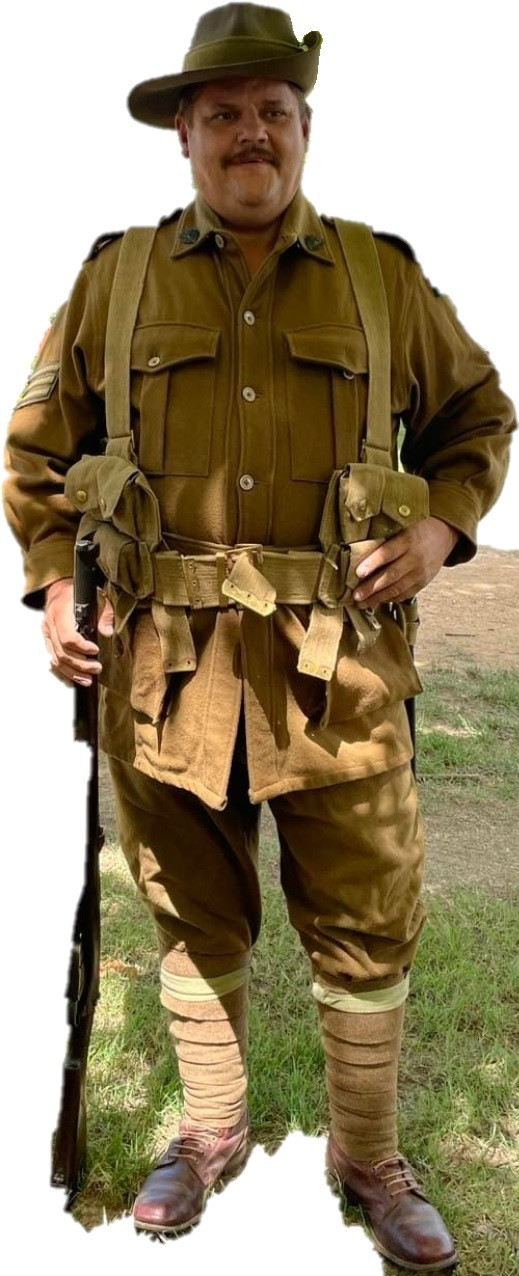
- The Battledress (BD) Blouse: Made of wool, this olive-green tunic was the most iconic piece of the British Army field uniform. It had four patch pockets for storing essential items and a button-down collar. The BD blouse was worn with matching trousers, and it became the standard battle dress for soldiers across all branches of the military.
- Breeches or Trousers: The trousers were usually tailored to provide comfort during long marches and extended periods of combat. The cut of the trousers allowed for easy movement while also maintaining a professional appearance.
- Headgear: Soldiers wore the distinctive “Glengarry” cap or the “Beret” depending on their regiment, with the beret becoming more common in later years. This headgear often bore regiment-specific insignia.
- Footwear: Durable leather boots designed for long marches and rough terrain were a critical component of the field uniform. They were designed to provide comfort and durability, particularly in the muddy trenches of Europe and North Africa.
- Insignia and Badges: Uniforms were often adorned with insignia indicating rank, regiment, and division. These patches, often sewn onto the sleeves or shoulders, were a crucial part of a soldier's identity and played a role in distinguishing different military branches.
The field uniform’s practical design made it effective in battle and was worn throughout the war in varied settings—from the fields of France to the deserts of North Africa.
WW2 British Dress Uniform
The dress uniform of the British Army was a marked departure from the functional field attire. The primary purpose of the dress uniform was for ceremonial events, parades, and formal gatherings. Key features of the WW2 British dress uniform included:
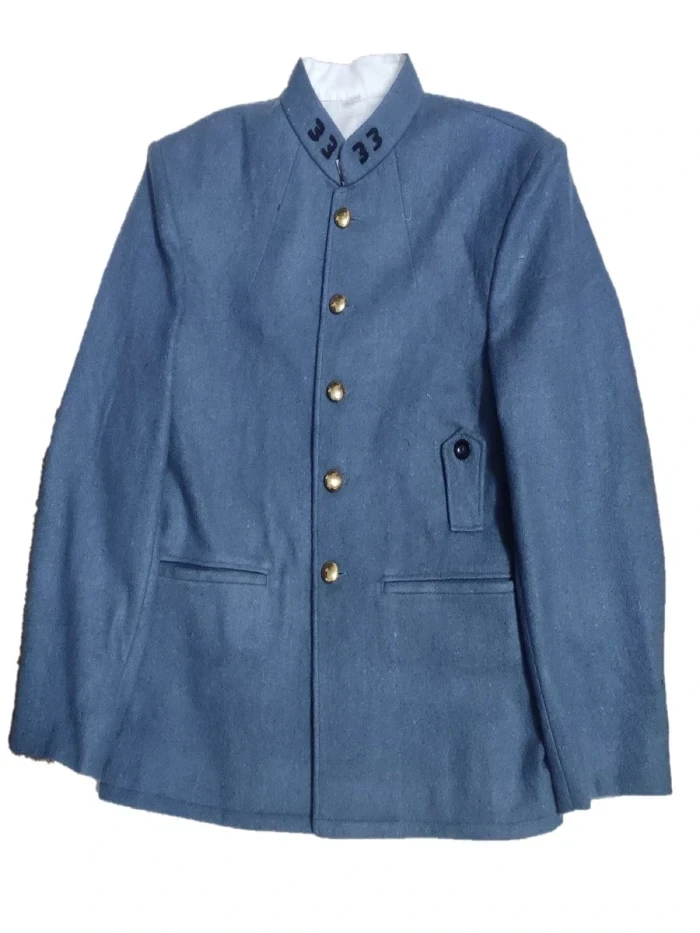
- The Service Dress (SD) Tunic: This was a more formal version of the field blouse, typically made from a finer wool blend. The SD tunic had a sharp, tailored fit with a high collar and was adorned with various medals, badges, and rank insignia. This uniform was used in settings where soldiers were expected to maintain a dignified appearance.
- Trousers: Unlike the field uniform's more utilitarian trousers, the dress trousers were usually more refined, often worn with a crease down the front and a slightly looser fit.
- Headgear: For formal occasions, soldiers wore the distinctive British “service cap” or “peaked cap,” which had a more polished appearance compared to the field hats.
- Footwear: Polished leather shoes were the standard for the dress uniform. Soldiers were expected to maintain a higher standard of grooming, and the footwear played an essential role in their formal look.
- Medals and Insignia: Unlike the field uniforms, which focused on function, the dress uniform was more about honoring the individual’s achievements. Medals, ribbons, and other forms of decoration were often worn on the tunic to showcase the soldier's rank and accomplishments.
Uniforms for Soldier Costumes
WW2 British Army uniforms have remained a popular choice for soldier costumes, particularly for historical reenactments and collectors. Accurate recreations of these uniforms are vital for authenticity, and many collectors and costume enthusiasts seek to replicate the field and dress uniforms down to the finest detail.
When looking for soldier uniforms, it’s important to note that there are differences in costuming choices for field and dress uniforms. Field uniforms are usually worn by reenactors portraying soldiers in battle or during military campaigns, whereas dress uniforms are often used for formal events or parades.
- Field Uniform Costumes: For costume purposes, these are often made from wool or a cotton blend to mimic the look of the original wool fabric. Authentic details, such as the correct number of pockets, the right insignia, and the correct color, are essential in creating a realistic look.
- Dress Uniform Costumes: These are typically worn for reenactments or formal events, such as military balls or historical commemorations. The attention to detail in this type of costume is even more pronounced, with special focus on the precision of the jacket’s cut and the placement of medals.
Pros & Cons of WW2 British Army Uniforms
Pros:
- Historical Accuracy: The British Army uniforms from WW2, especially the field uniforms, are iconic in military history. Reproductions and original pieces offer a tangible connection to the past and are valuable in educational settings, museums, and reenactments.
- Durability: Both field and dress uniforms were designed with quality materials to withstand tough conditions. Original WW2 uniforms have stood the test of time and can be found in good condition even today.
- Cultural and Historical Significance: The uniforms are important symbols of British military history and hold sentimental value, especially for veterans, collectors, and enthusiasts.
Cons:
- Cost: Original uniforms, particularly those that are in good condition, can be expensive. For reenactors or collectors, the cost of acquiring an authentic WW2 uniform might be prohibitive.
- Wear and Tear: Uniforms, especially the older ones, may be fragile and require careful handling to preserve their integrity. They are not ideal for regular wear in reenactments due to the risk of damage.
- Limited Availability: Finding original uniforms can be challenging, especially for those looking for specific regimental variations or items in a particular size.
FAQs
- How do I know if a WW2 British Army uniform is authentic?
Authenticity can be determined by inspecting the labels, materials, and design details. The uniform should have original insignia, buttons, and other regimental markings. - Can I use a WW2 British Army uniform for reenactments?
Yes, but it’s important to ensure that the uniform is historically accurate for the specific period and campaign being reenacted. - Where can I buy a replica WW2 British Army uniform?
Many specialty costume shops and online retailers sell high-quality replicas of both field and dress uniforms. It's best to purchase from reputable sources that focus on historical accuracy. - Are there any specific care instructions for WW2 British Army uniforms?
Yes, care should be taken to avoid exposing the uniform to excessive light or humidity. If cleaning is needed, it should be done by a professional specializing in military uniforms. - What is the difference between a field and a dress uniform?
A field uniform is designed for combat and practical use, while a dress uniform is used for ceremonial purposes and parades, offering a more polished, formal look.
Real-World Examples
During the war, various regiments such as the Royal Tank Regiment and Parachute Regiment wore distinct uniforms to reflect their operational roles. The Royal Army Service Corps (RASC), for example, was often seen wearing the field uniform in North Africa, while British soldiers on the home front typically wore the dress uniform for ceremonial duties.
In modern reenactments, events like D-Day commemorations and WW2 British Army reenactment groups showcase how these uniforms are worn today, further perpetuating the memory of the sacrifice made by soldiers during the war.
Conclusion
The WW2 British Army uniform stands as a testament to the soldiers who wore it, symbolizing their resilience, honor, and bravery. Whether in the field, on parade, or as part of a historical reenactment, these uniforms offer a glimpse into the past. By understanding the key differences between field and dress uniforms and the significance of soldier costumes, collectors, enthusiasts, and reenactors can ensure they preserve and appreciate this integral part of military history.
REQUISITION RELATED GEAR

EXPLORE MORE FIELD REPORTS
Browse all published guides and history articles.
