FIRST WORLD WAR BRITISH UNIFORM: A COMPLETE GUIDE TO HISTORY, STYLE, AND LESSONS FOR TODAY
First World War British Uniform: A Complete Guide to History, Style, and Lessons for Today
Introduction: Why Did Uniforms Decide the Fate of Soldiers in WW1?
Did you know that by 1916, the British Army had issued over 21 million wool uniforms to soldiers across the trenches in Europe? Those khaki outfits weren’t just clothing—they were survival tools, cultural identifiers, and symbols of national pride.
For many history enthusiasts, reenactors, and collectors, the first world war British uniform is more than just fabric. It’s a window into the realities of trench life, battlefield strategies, and even the evolution of modern fashion. But beyond admiring their look, there are lessons and practical steps we can draw today—whether you’re studying, collecting, or recreating military dress for events.
In this article, you’ll discover:
- The full breakdown of the first world war British uniform.
- Comparisons with other military uniforms, from the WW1 German uniform to the Napoleonic British uniforms.
- Actionable advice for collectors, reenactors, and history lovers.
- Common pitfalls to avoid when exploring this field.
- How these uniforms still influence world war 1 fashion trends and even modern gear.
Understanding the First World War British Uniform
When Britain entered the war in 1914, soldiers marched off proudly wearing the first world war British uniform in its distinctive khaki. This was a stark departure from the bright red tunics of Napoleonic times. The change wasn’t about style—it was about survival. Camouflage mattered.
Key Features of the WW1 British Soldier Uniform
- Khaki Service Dress (introduced 1902): A dull color that blended into landscapes better than scarlet.
- Wool Tunic and Breeches: Heavy, warm, but itchy and sometimes impractical in summer.
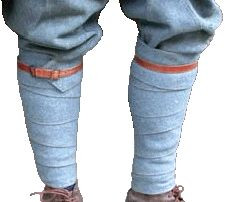
- Puttees (leg wrappings): Helped protect legs in muddy trenches.
- Steel Brodie Helmet (1916): A revolutionary upgrade replacing caps, saving countless lives from shrapnel.
- Webbing Equipment: Canvas belts and pouches, allowing soldiers to carry ammo, rations, and gear.
This practicality contrasted sharply with the WW1 German uniform, which began with striking Pickelhaube helmets but later shifted to the more functional Stahlhelm.
First World War British Uniform vs. Other Eras
From Napoleonic British Uniforms to WW1
The scarlet tunic and tall shakos of the Napoleonic era symbolized power and intimidation. But by WW1, visibility was a liability. Scarlet gave way to khaki. Epaulettes gave way to subdued rank patches. Function beat flair.
WW1 German Uniform Comparison
- Germans began with blue-gray tunics and spiked Pickelhaube helmets.
- Trench warfare forced practicality—Stahlhelms replaced the spiked helmet, gray-green (“feldgrau”) proved effective camouflage.
- Compared to the first world war British uniform, German gear was often regarded as sturdier but heavier.
Link to WW2 British Soldier Uniform
By WW2, lessons from WW1 were incorporated:
- Smarter tailoring for comfort.
- Battle dress in wool serge, more practical for armored warfare.
- Helmets redesigned for wider coverage.
This progression shows how uniforms aren’t just clothing, but constant experiments in survival.
Actionable Steps for Collectors and Reenactors
If you’re just starting in the field of war history, collecting, or reenacting, here’s how to approach the first world war British uniform:
Step 1: Choose Your Focus
- Officer uniforms vs. enlisted soldier kits.
- Western Front equipment vs. Middle Eastern campaigns (where lighter fabrics were sometimes issued).
Step 2: Learn to Spot Originals from Reproductions
- Stitching and material: Originals often used coarse wool and hand-finished seams.
- Maker’s markings: Genuine items bear War Department stamps and dates.
- Wear and patina: Authentic helmets and buttons show age naturally.
Step 3: Build Your Kit
- Start with tunic, trousers, puttees.
- Add Brodie helmet (authentic or reproduction).
- Finish with webbing, haversack, and boots.
Step 4: Connect with Communities
Join forums, WW1 reenactment societies, or history shows. You’ll get advice, access to rare gear, and friends who share your passion.
Common Pitfalls to Avoid
- Buying Shiny Reproductions – Many replicas look too perfect. Real WW1 gear was weathered, rough, and practical.
- Ignoring Context – Uniforms differ by campaign, year, and rank. For example, early WW1 had soft caps, later replaced by helmets.
- Confusing WW1 with WW2 Uniforms – A common beginner mistake. WW2 uniforms were shorter, more tailored, and used different webbing.
- Overlooking Accessories – Little details like badges, buttons, and service stripes make or break authenticity.
World War 1 Fashion: How the Trenches Changed Civilian Style
The first world war British uniform didn’t just stay in the trenches. It influenced world war 1 fashion, shaping clothes back home:
- Trench Coats: Originally designed for officers, they became civilian staples.
- Cardigans and Pullovers: Popular for layering in cold trenches, now everyday wear.
- Khaki Shades: Adopted widely in civilian clothes for practicality.
Fashion, in this sense, mirrored survival. Clothing had to be functional, adaptable, and durable.
Current Trends in Exploring WW1 Uniforms
History enthusiasts today engage with the first world war British uniform in exciting ways:
- Living History Events: Re-enactments bring uniforms to life with battlefield drills and trench setups.
- Virtual Museums: Digital exhibits allow close examination of rare uniforms, especially during travel restrictions.
- Creative Collecting: Some mix military history with fashion shoots, examining the link between war gear and modern style.
- Cross-era Comparison: Comparing items like the WW2 British soldier uniform or even Napoleonic British uniforms to WW1 gear sparks deeper insights into military evolution.
Conclusion: Why the First World War British Uniform Still Matters
The first world war British uniform was more than wool and khaki—it was a product of war, necessity, and innovation. From Napoleonic scarlet to khaki service dress, from the Brodie helmet to today’s modern combat gear, it tells a story of adaptation.
If you’re a beginner, remember:
- Start with research, then gradually build your knowledge or collection.
- Avoid common mistakes like mixing eras or choosing unrealistic reproductions.
- Embrace the community—history is best shared.
The study of uniforms connects us to the people who lived, fought, and endured a century ago. Next time you see a photo of a soldier in khaki, look beyond the fabric—you’re seeing a story of resilience and survival.
REQUISITION RELATED GEAR

EXPLORE MORE FIELD REPORTS
Browse all published guides and history articles.
