WW1 GERMAN ARMY FIELD UNIFORM: FEATURES AND REAL-WORLD EXAMPLES
Introduction
When we think of World War I (WW1), images of soldiers in muddy trenches, old-fashioned weaponry, and iconic uniforms come to mind. Among the various military outfits of the time, the WW1 German Army uniform stands out due to its distinct features and historical significance. One of the most notable uniforms during this period was the field uniform of the Imperial German Army. Designed for practicality, durability, and utility, the uniform went through several iterations during the war, adapting to changing battle conditions and military needs.
In this post, we will take a closer look at the features of the WW1 German Army field uniform, its pros and cons, and how it played a crucial role during the war. Whether you're a history enthusiast, a student of military fashion, or just curious about WW1 attire, this guide will provide detailed insights into the German soldier's uniform.
Features of the WW1 German Army Field Uniform
The German field uniform, known for its distinctive "feldgrau" (field gray) color, was one of the defining features of the Imperial German Army during World War I. Let's break down the key components that made up this iconic uniform.
The Pickelhaube Helmet
The most recognizable feature of the WW1 German Army uniform was the Pickelhaube, a spiked helmet worn by soldiers, particularly in the early years of the war. Made of metal or leather, the Pickelhaube was adorned with a spike at the top, which served both a ceremonial and protective purpose. The helmet offered some protection against shrapnel and debris but was largely symbolic of the Imperial German Army’s strength.
However, as the war progressed, the Pickelhaube was replaced by the simpler, more effective steel stahlhelm (steel helmet) in 1916. This helmet provided better protection and became the standard for German soldiers by the latter half of the war.
Feldgrau Tunic
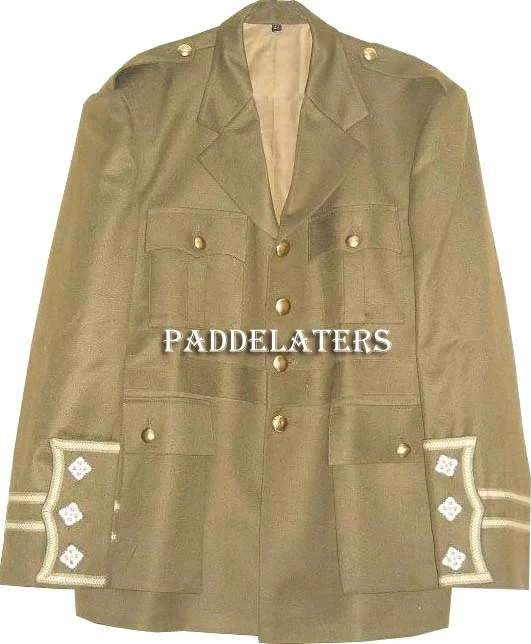
The German field uniform featured a feldgrau tunic, which was a grayish-green coat that provided both camouflage and practicality. The tunic had a standing collar and was made from wool, making it warm and durable for soldiers in the trenches. The tunic was designed with large pockets on the chest and sides for storing ammunition and other essentials.
Additionally, the tunic had a buttoned front with brass or metal buttons, usually featuring the eagle and crown of the German Empire. The tunic was often worn with a waistbelt that held the soldier’s bayonet and sidearm.
Trousers and Boots
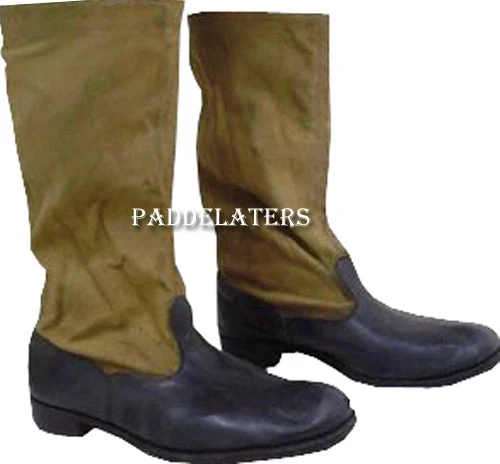
The feldgrau trousers matched the tunic’s color and were made from wool as well. They were designed to be durable and practical for the harsh conditions of trench warfare. The trousers were often tucked into tall, sturdy leather boots, which provided protection and support during long marches and combat.
In some instances, soldiers wore puttees (cloth wraps) around their lower legs instead of boots, especially in the early part of the war. These wraps provided flexibility and comfort, but over time, boots became more standard for their better durability and protection.
Equipment and Gear
Soldiers were also equipped with a variety of gear that complemented their uniforms. This included a backpack, ammunition pouches, gas mask canister, and canteen. The bayonet was an essential part of a soldier’s weaponry and was typically fixed to the waist belt.
As the war progressed, gas masks became an increasingly important piece of equipment due to the use of chemical weapons. These masks were often carried in a small canister and became a standard part of the uniform for soldiers on the front lines.
Pros and Cons of the WW1 German Army Field Uniform
Like any military uniform, the WW1 German Army field uniform had its strengths and weaknesses, which impacted its effectiveness during the war.
Pros
Durability and Functionality
One of the greatest advantages of the German field uniform was its durability. The woolen tunic and trousers were tough and withstood the rigors of trench warfare. Soldiers often spent long hours in harsh conditions, and the uniform helped protect them from the elements.
The uniform was also functional, with multiple pockets for storing essential items like ammunition, maps, and tools. This allowed soldiers to carry everything they needed without being encumbered by excessive baggage.
Camouflage
The feldgrau color provided a degree of camouflage in the environment, especially in the European battlefields of WW1, where gray-green tones blended well with the terrain and weather. This helped soldiers remain less visible to enemy forces, especially when they were crouching or moving through wooded areas or fields.
Protection
While the Pickelhaube helmet was mostly symbolic and ineffective against modern weapons, the steel stahlhelm, introduced in 1916, provided much-needed head protection from shrapnel and bullets. This marked a significant improvement in safety for German soldiers and was a design copied by other armies in the years that followed.
Cons
Limited Protection in Early Stages
The Pickelhaube helmet, while iconic, was not particularly effective at protecting soldiers from shrapnel or gunfire. Many soldiers were exposed to significant risk from exploding artillery shells and bullets that could easily penetrate the thin leather or metal material. The shift to the steel stahlhelm came as a response to this issue, offering much better protection.
Heavy and Uncomfortable
The uniform, especially in the early stages of the war, could be quite heavy and uncomfortable, particularly during long marches or periods of standing in the trenches. The wool tunic and trousers were warm but could be stifling in hot conditions. Over time, soldiers began to complain about the weight of their gear, which contributed to fatigue and exhaustion.
Limited Mobility
The leather boots were durable but could restrict mobility. Soldiers often found them cumbersome, especially in wet or muddy conditions. The boots also lacked waterproofing, which meant that soldiers’ feet were often wet, leading to trench foot and other foot-related problems.
Real-World Example: The Battle of Verdun
During the Battle of Verdun in 1916, one of the longest and most grueling battles of WW1, the German soldiers were required to endure harsh conditions for extended periods. The stahlhelm proved invaluable in protecting soldiers from artillery shrapnel and debris. Despite the muddy, cold environment, the feldgrau uniform allowed for a certain level of camouflage, making it easier for soldiers to avoid detection as they moved through the battlefield.
However, the soldiers also faced difficulties due to the heavy gear, which made it challenging to move quickly in the dense terrain. The weight of the ammunition pouches and the constant exposure to rain and mud led to discomfort, and many soldiers suffered from trench foot and fatigue.
The uniform's design, while effective for certain conditions, revealed its limitations in the harsh reality of trench warfare.
FAQs about the WW1 German Army Field Uniform
1. Why was the Pickelhaube helmet replaced during WW1?
The Pickelhaube was replaced by the stahlhelm in 1916 because it offered significantly better protection against shrapnel and bullets. The steel helmet was more durable and provided better coverage, which was crucial during the brutal trench warfare of WW1.
2. What does "feldgrau" mean?
"Feldgrau" translates to "field gray" in English. It was the color of the German Army uniform and was specifically chosen to blend in with the natural environment of the European battlefields.
3. Was the German uniform used by other countries?
While the German uniform had some influence on other countries, the stahlhelm was particularly adopted by other European armies after WW1 due to its effectiveness in providing head protection.
4. Did the uniform change throughout the war?
Yes, the German Army uniform evolved throughout WW1. The Pickelhaube was replaced by the stahlhelm, and modifications were made to improve comfort and practicality in the harsh conditions of trench warfare.
5. What was the purpose of the bayonet on the German uniform?
The bayonet was a practical tool for close combat. It was fixed to the soldier's rifle and used as a stabbing weapon in hand-to-hand combat situations, especially when soldiers found themselves in trench raids or close-quarter fighting.
Conclusion
The WW1 German Army field uniform, with its distinctive feldgrau color and iconic features like the Pickelhaube helmet and stahlhelm, played a significant role in the Imperial German Army’s approach to combat during World War I. While the uniform had its strengths, such as durability, functionality, and camouflage, it also had its drawbacks, including limited protection early in the war and discomfort due to its weight.
As we saw in battles like Verdun, the uniform adapted over time to meet the needs of soldiers in the trenches. The shift from the Pickelhaube to the steel helmet was just one example of how the uniform evolved in response to the realities of modern warfare.
REQUISITION RELATED GEAR
EXPLORE MORE FIELD REPORTS
Browse all published guides and history articles.
