UNDERSTANDING GERMAN WW1 MILITARY UNIFORMS: KEY ACCESSORIES AND THEIR SIGNIFICANCE
Introduction: A Fascinating Peek into the Past
Did you know that the German Army’s uniforms during World War 1 were a symbol of both pride and practicality? These uniforms, especially the iconic German WW1 cap, played a significant role in the identity of soldiers, and even today, collectors value them for their historical significance. With the centennial celebrations of the Great War, there's a renewed interest in understanding these military outfits.
Whether you are a history enthusiast, a collector, or just fascinated by WW1 and WW2 military equipment, knowing the different types of uniforms—such as the German WW1 belt, military hat, and coats—can provide you with valuable insights. Understanding the nuances of these items is more than just looking at history; it’s about connecting with a pivotal moment in time.
In this article, we’ll break down the different German WW1 uniforms, highlight key accessories, and provide practical advice on what to look for when buying or learning about these pieces of history.
The Types of German WW1 Uniforms: Key Elements to Know
1. The German WW1 Cap: A Symbol of Military Identity
One of the most iconic elements of the German WW1 uniform was the cap, also known as the "Pickelhaube" for its spiked design. Made from metal or leather, these caps became a signature look for the Imperial German Army.
Key Features of the German WW1 Cap:
- Materials: Typically crafted from leather or steel, some were adorned with metal spikes, while others had a more subdued design.
- Design Evolution: Originally a part of the Prussian military attire, the Pickelhaube evolved. By 1916, it was largely replaced by simpler helmets for better protection in the trenches.
- Significance: The cap represented rank and division, with different regiments sporting unique insignia.
Actionable Steps for Collectors:
- Look for original caps with intact insignia, as these are more valuable.
- Avoid replicas that may not accurately reflect the historical design.
- Pay attention to the condition, as well-preserved caps are rare and fetch higher prices.
2. The German WW1 Belt: Practical and Distinctive
The German WW1 belt was another essential part of the soldier's uniform. It wasn't just about holding equipment; the belt was also a signifier of a soldier's status and rank. The belt design evolved over the course of the war, adapting to the changing needs of the military.
Key Features of the German WW1 Belt:
- Leather Construction: Most WW1 German belts were made from high-quality leather, with brass buckles.
- Buckle Designs: The design of the belt buckle ranged from simple to ornate, often featuring the imperial eagle or other regimental symbols.
- Functionality: Soldiers carried essential items like ammo pouches, canteens, and bayonets on these belts.
Common Pitfalls When Collecting:
- Be cautious of belts that show excessive wear. While some ageing is natural, belts in poor condition can be difficult to restore.
- Ensure the belt has matching original hardware. Replaced or fake buckles can drastically reduce the value.
- Look for proper leather treatment. Well-maintained leather will last longer and hold its historical integrity.
The German Military Hat: A Crucial Accessory in WW1
When we think of military headgear, the German army hat from WW1 often comes to mind. The helmet design had a profound influence on the style of military helmets seen in later years, especially during WW2.
3. The German Military Hat and Helmet Design
The iconic "Stahlhelm" was the helmet worn by German soldiers during the latter half of WW1. Unlike the earlier spiked Pickelhaube, the Stahlhelm was designed for maximum protection, covering the soldier's head and neck.
Key Features of the German Military Hat (Stahlhelm):
- Shape and Coverage: Unlike earlier caps, the Stahlhelm featured a deep, steel dome and flared sides to protect the neck and shoulders.
- Functionality: This helmet was designed to be durable and protective, shielding soldiers from shrapnel and debris in the trenches.
- Appearance: The helmet typically had a simple steel design, though some helmets were painted with camouflage patterns or regimental insignia.
Practical Tips for Collectors:
- Look for stamps or marks inside the helmet to confirm authenticity and military unit.
- Helmets with original paint are rarer and more valuable. However, avoid over-cleaning these pieces.
- Check for dents or cracks, which can lower the value, but be aware that some wear and tear adds to the authenticity of the item.
WW1 and WW2: A Timeline of Military Gear Evolution
As the First World War ended and World War II began, military gear underwent significant changes. The transition from WW1 to WW2 was evident in many aspects of German military equipment, from the German WW2 belt to the design of the army coat.
4. The German WW2 Belt and Its Evolution
While the WW1 belt was designed for practicality, the WW2 German belt evolved with different materials and functions, adapting to the needs of modern warfare.
Key Differences Between WW1 and WW2 Belts:
- Material: While leather was still used in both wars, the WW2 belt often incorporated metal hardware and stronger stitching for durability.
- Design: The WW2 belt featured simpler buckles and was designed to hold heavier equipment, such as grenades and pistols.
- Use: The WW2 belt was part of a more standardised uniform system, with less variation in design across different branches of the military.
Actionable Tips:
- If you are transitioning from WW1 to WW2 gear in your collection, ensure you understand the subtle differences between the two.
- Check for maker’s marks on the buckles of the WW2 belts to verify authenticity.
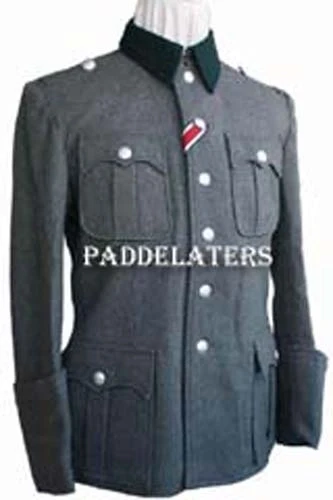
5. The WW2 Army Coat: Functional and Protective
The German WW2 army coat, known for its durability and protection, was designed for the harsh conditions soldiers faced during the Second World War.
Key Features of the WW2 Army Coat:
- Fabric and Construction: Made from wool, the coat was designed to provide warmth and protect soldiers from the elements.
- Design Features: The coat included pockets for easy access to equipment and a belt for securing the coat.
Common Pitfalls in Collecting WW2 Army Coats:
- Watch out for coats that have been heavily altered. Original coats will have fewer modifications.
- The presence of original buttons and patches can add considerable value to the coat.
Conclusion: Embrace the History of German Military Uniforms
Whether you’re a collector, historian, or simply a WW1 and WW2 enthusiast, understanding the nuances of German military uniforms is key to appreciating the rich history behind them. From the German WW1 cap to the military hats, belts, and army coats, each piece tells a story of the soldiers who wore them and the times they lived through.
When diving into collecting, keep in mind the importance of authenticity, condition, and understanding the subtle changes in design over time. Always verify the provenance of your pieces and avoid common pitfalls by researching each item thoroughly before making a purchase.
REQUISITION RELATED GEAR
EXPLORE MORE FIELD REPORTS
Browse all published guides and history articles.
