WW1 US UNIFORM: A DEEP DIVE INTO HISTORY, REENACTMENT GEAR & COLLECTIBLE TRENDS
WW1 US Uniform: A Deep Dive into History, Reenactment Gear & Collectible Trends
Did you know that over 4.7 million Americans served in uniform during World War I?
Their uniforms weren’t just fabric—they were functional tools of war, symbols of national pride, and now, valuable collectibles and reenactment staples.
Whether you're a passionate historian, a seasoned reenactor, or just starting your journey into military collectibles, understanding the WW1 US uniform is essential. In this guide, we’ll walk you through everything from authentic features, sourcing reenactment gear, avoiding common mistakes, and exploring related trends like the WW1 German uniform and even Spanish American War uniforms.
🪖 The Evolution of the WW1 US Uniform: Function Meets Identity
The Shift from Blue to Olive Drab
Before WW1, the U.S. military mainly used blue uniforms reminiscent of the Civil War era. But with the outbreak of war in 1917, practicality took precedence.
Key features of the WW1 US uniform:
- Olive drab wool tunic (M1917 or M1912)
- Matching breeches and puttees (cloth leggings)
- Steel Brodie helmet (influenced by the British)
- Leather hobnail boots
- Gas mask bag and cartridge belt
Influence from Allies
- The U.S. Army borrowed design elements from British and French forces.
- Early U.S. troops usedBritish-made items, including the Brodie helmet and web gear.
This shift wasn’t just about looks. It was about utility, durability, and adaptation to trench warfare.
🧰 Actionable Steps to Build Your Own WW1 US Uniform for Reenactment
Step 1: Start with Research
Before buying anything, study the original uniforms. Use sources like:
- National WWI Museum and Memorial
- Field manuals and soldier diaries
- Online military history forums
Pro tip: Look for dated photographs for uniform combinations and personalization ideas.
Step 2: Essential Gear for Beginners
Here’s what you need for a standard U.S. Doughboy impression:
ItemPurposeWhere to Find
M1917 Tunic Core jacket at the Front, What Price Glory
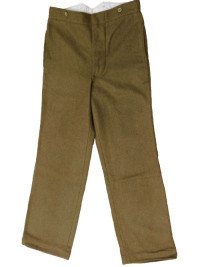
Wool Breeches Bottoms Reenactment shops or Etsy
M1917 Brodie Helmet Head protection Collectibles fairs, eBay
Leggings or Puttees, Lower leg protection, Surplus stores
M1910 Cartridge Belt holds ammo and equipment. Reproduction shops
Hobnail Boots Authentic footwear Custom leather bootmakers
Optional but realistic upgrades:
- WW1 flying jacket (for pilot impressions)
- WW1 gas mask replica (for static displays)
- Medical pouches or canteens
Step 3: Pay Attention to Details
Don’t skip the small stuff:
- Collar discs (unit insignia)
- Buttons (look for “U.S.” stamped brass)
- Rank chevrons
- Proper undershirt (usually wool)
⚠️ Common Pitfalls to Avoid When Reproducing a WW1 US Uniform
1. Mixing Eras
It’s easy to combine WW2 or post-war gear with WW1 uniforms accidentally.
Example:
WW2 M1 helmets are often mistaken for WW1 helmets. Watch out for those subtle shape differences.
2. Buying Cheap Reproductions
Some overseas-made reproductions use synthetic fibers, modern buttons, or incorrect cuts.
Tip: Buy from reputable vendors with experience in WW1 reenactment equipment.
3. Ignoring Unit-Specific Details
Each unit had unique elements. Infantry, cavalry, engineers, and air service had different gear.
- Air Service: Likely to wear a WW1 flying jacket
- Cavalry Troops: Might use older Spanish American War uniform leftovers
4. Skipping Footwear
Many beginners focus on jackets and helmets, but wear modern hiking boots. That’s a dead giveaway!
🛍️ Where to Find Authentic or Reproduction WW1 US Uniform Pieces
Online Vendors:
- At the Front – Accurate reproduction gear
- What Price Glory – Broad selection from multiple eras
- IMA-USA – Mix of original and replica gear
- eBay/Etsy – For vintage and handmade pieces (verify sellers)
Local Sources:
- Military surplus stores
- Gun shows and militaria fairs
- Reenactment events and historical swaps
Ask around at reenactment groups—they often have gear to sell or trade.
🌍 Related Uniforms and Their Influence
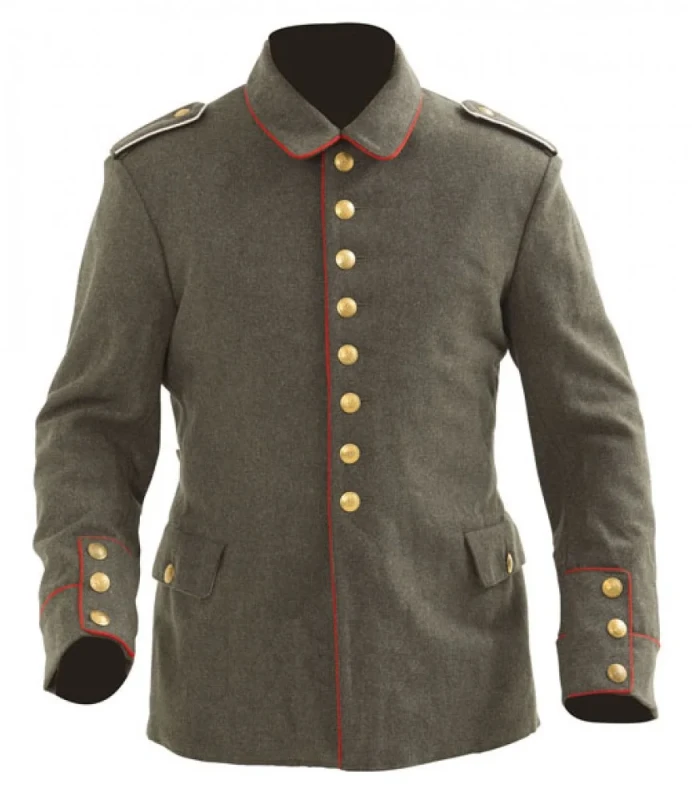
WW1 German Uniform
- Typically gray or field grey (Feldgrau)
- Pickelhaube helmet early on, Stahlhelm later
- Influence seen in U.S. uniform updates post-war
Studying enemy uniforms is helpful for balanced reenactments or display accuracy.
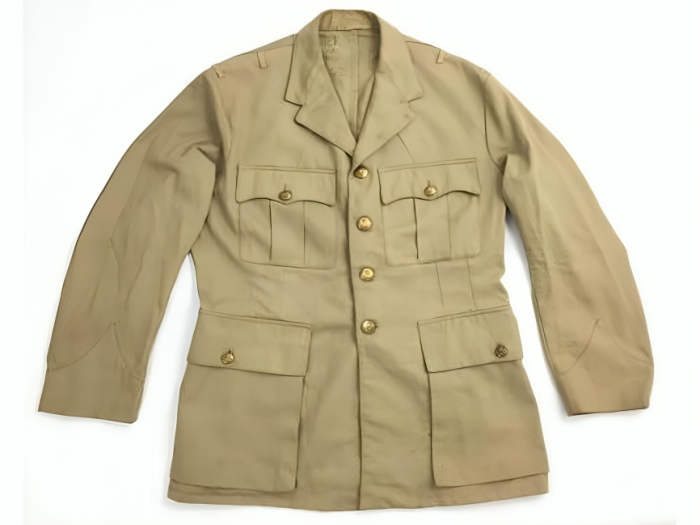
Spanish American War Uniforms
- Lighter khaki color
- High collar blouses
- Worn by older officers in early WW1 until standardization caught up
These uniforms often make their way into early WW1 reenactment impressions or field-use portrayals.
WW1 Flying Jacket
- Leather, fur-lined
- Used by U.S. Army Air Service pilots
- Now a collector’s item and worn in aviation events
📈 Current Trends in WW1 US Uniform Collecting and Reenactment
1. Hyper-Authentic Reenactments
Events are becoming more immersive, with a focus on smells, rations, and trench life.
2. Blended Displays
Collectors now combine WW1 US uniform pieces with German, French, and British gear to show battlefield diversity.
3. Digital Showcases
- YouTube channels dedicated to uniform breakdowns
- Instagram accounts showcasing full impressions
- 3D modeling for games and virtual museums
4. Restoration and Conservation
Original uniforms are being restored, photographed, and digitally archived to preserve history.
✅ Conclusion: How to Start Your WW1 US Uniform Journey Today
Creating an accurate WW1 US uniform setup is more than just costume work—it’s a walk through history. Whether you're gearing up for your first reenactment or curating a home museum, remember:
- Research first.
- Invest in quality pieces.
- Avoid mixing eras.
- Connect with the community.
REQUISITION RELATED GEAR
EXPLORE MORE FIELD REPORTS
Browse all published guides and history articles.
