WHY BRITISH ARMY UNIFORMS LOOK THE WAY THEY DO TODAY
Introduction
The British Army uniform is more than just clothing. It shows identity, rank, and role. It also protects soldiers in combat and links today’s Army to hundreds of years of history. From bright red coats on open battlefields to modern camouflage designed for today’s threats, British Army uniforms have changed to meet real needs.
This article explains both the history of British Army uniforms and the modern British Army uniform in clear, simple terms. It is written for students, collectors, reenactors, designers, and anyone curious about how and why these uniforms look the way they do today.
Problem: Why British Army Uniforms Are Often Confusing
British Army uniforms can be hard to understand. Many people struggle with:
- Telling the difference between ceremonial, service, and combat uniforms
- Knowing which uniforms belong to which time period
- Understanding regimental differences, insignia, and ranks
- Mixing up British uniforms with those of other armies
Photos online, films, and museums often show uniforms without enough explanation. This leads to mistakes and misunderstandings.
Agitate: Why This Confusion Matters
This lack of clarity causes real problems:
- Students and historians may get facts wrong in essays or research
- Collectors and reenactors risk buying or wearing inaccurate items
- Designers and writers may create unrealistic or incorrect designs
- General readers miss how uniforms reflect real changes in warfare
Without a clear overview, it is easy to misunderstand why uniforms changed and how modern designs came to be.
Solution: Understanding Uniforms Through History and Function
The solution is simple: look at British Army uniforms in context. When you understand:
- What problems soldiers faced in each era
- How materials and weapons changed
- Why camouflage and protection became essential
…the uniform starts to make sense. The sections below break this down step by step.
History of British Army Uniforms
Early Uniforms and Redcoats (17th–19th Century)
The famous red coat appeared in the mid-1600s. Red dye was cheap and easy to produce, making it practical for mass armies. Red also helped officers spot their men in smoke-filled battles.
Key points:
- Made from wool, which was warm but heavy when wet
- Designed for line infantry tactics, not concealment
- Regiments used different facings (collar and cuff colors)
At the time, visibility mattered more than camouflage.
Transition to Khaki and Early 20th Century Wars
By the late 1800s, rifles became more accurate and deadly. Bright colors made soldiers easy targets. During colonial campaigns in India, British troops began wearing khaki, meaning “dust-colored”.
This led to:
- Official adoption of khaki in the early 1900s
- Practical field uniforms during World War I
- Puttees, webbing, and steel helmets replacing older gear
Khaki reduced visibility and worked better in dirt and mud.
Post-War to Late 20th Century Changes
After World War II, the British Army focused on comfort and mobility. Synthetic fabrics slowly replaced heavy wool. In the 1960s, Disruptive Pattern Material (DPM) was introduced.
DPM features:
- Green, brown, and black shapes
- Designed for woodland environments
- Used from the 1970s until the early 2010s
This pattern became one of the most recognizable British military designs.
Modern British Army Uniform
Types of Modern Uniforms
Today’s British Army uses several main uniform types:
- Combat uniform – worn on operations and exercises
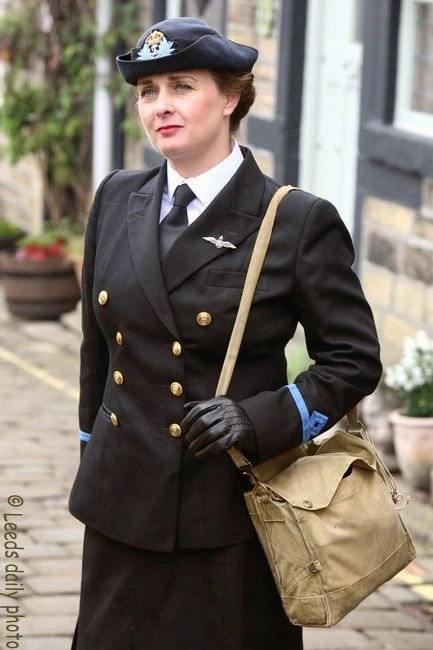
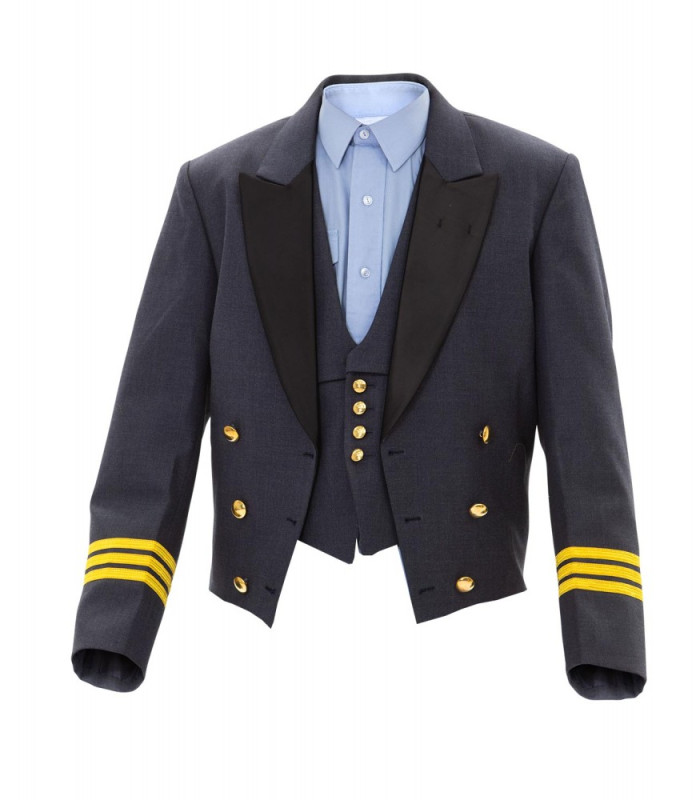
- Service dress – worn for office duties and formal daily wear
- Ceremonial dress – used for parades and state events
Each uniform has a clear purpose and strict rules for wear.
Materials, Camouflage, and Protection
The current combat uniform uses Multi-Terrain Pattern (MTP). Introduced around 2010, MTP works in woodland, desert, and urban areas.
Modern materials offer:
- Breathable fabric for hot climates
- Fire-resistant properties
- Better durability and lighter weight
Body armor, helmets, and load-carrying equipment are worn over the uniform, making the full kit modular.
Insignia, Rank, and Regimental Details
Rank is shown using:
- Shoulder slides
- Chest patches
Regimental identity remains important. Cap badges, stable belts, and ceremonial items reflect long traditions, even when combat uniforms look similar across units.
Features of British Army Uniforms
Key functional features include:
- Camouflage: reduces visibility in different environments
- Comfort: designed for long wear and movement
- Protection: works with armor and helmets
- Identification: rank and unit markings are clear
- Practicality: pockets, fastenings, and strong seams
Every feature exists for a reason tied to real service needs.
Pros & Cons of British Army Uniforms
Advantages
- Strong historical identity
- Continuous improvement based on combat experience
- Modern uniforms suit multiple climates
- Clear rank and role identification
Limitations
- Older uniforms offered little protection
- Ceremonial dress is not practical for modern use
- Camouflage must be updated as environments change
Real World Examples / Case Studies
Case 1: Khaki in Early 20th Century Campaigns
When British troops switched from red to khaki, casualty rates dropped in open terrain. Soldiers were harder to spot, especially at long range. This change directly reflected lessons learned in colonial warfare.
Case 2: Modern Soldier on Training Exercise
A modern British soldier on training today wears:
- MTP combat uniform
- Body armor and helmet
- Load-bearing vest with mission-specific equipment
The uniform itself supports the gear system rather than working alone.
Case 3: Collectors and Reenactors
Reenactors often study:
- Stitch patterns
- Buttons and insignia
- Fabric types
Accuracy matters, especially for museum displays and educational events.
FAQs
Why did British soldiers wear red?
Red dye was cheap and visible, helping commanders control troops.
When did the British Army switch to khaki?
Khaki became standard in the early 1900s.
What is the current British Army combat uniform called?
It uses Multi-Terrain Pattern (MTP).
What is the difference between dress and combat uniform?
Dress uniform is for formal duties; combat uniform is for field use.
Do regiments still matter today?
Yes. Traditions and insignia remain important.
Conclusion
British Army uniforms tell a clear story of change. Early designs focused on visibility and tradition. Modern uniforms focus on protection, camouflage, and practicality. Understanding this evolution helps collectors, students, designers, and history fans avoid confusion and appreciate why today’s British Army uniform looks the way it does.
REQUISITION RELATED GEAR
EXPLORE MORE FIELD REPORTS
Browse all published guides and history articles.
