AUTHENTIC WWI US ARMY UNIFORMS: TIPS FOR RECREATING THE PERFECT LOOK
Introduction:
Did you know that over 250,000 reenactors participate in historical reenactments across the world, bringing history to life with great attention to detail? Reenacting military history, especially from World War I and World War II, is an engaging way to preserve the past and learn about pivotal moments in history. Among the most popular reenactment eras are the US Army uniforms of the 1800s, which played a significant role in both the Great War and the Second World War.
Whether you're a seasoned reenactor or just getting started, understanding how to recreate US Army uniforms from the 1800s authentically can be a rewarding and educational experience. In this article, we'll explore how to bring these uniforms to life, including essential gear like the WW2 leather coat, Marine Corps officer dress cover, and WW1 surplus items. We will also look at the key intents that motivate reenactors: informational, commercial, and transactional. Let’s dive in and discover how to master the art of WWI and WWII Uniform reenactment.
The Basics of US Army 1800s Uniforms for WWI and WWII Reenactment
Understanding the importance of a good reenactment starts with the gear and clothing. The US Army's 1800s uniforms underwent significant changes, especially during WWI and WWII, but there are core elements that remain iconic.
Key Items to Collect:
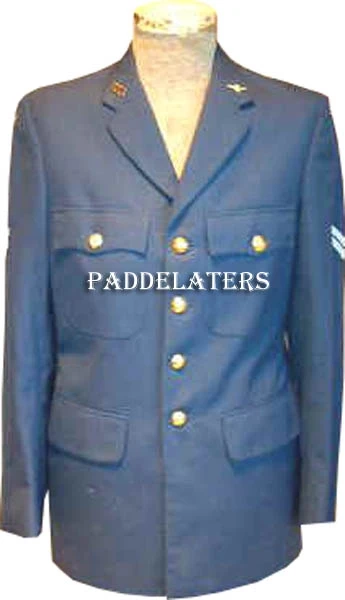
- US Army 1800s Uniforms: These include the classic blue wool uniforms worn by soldiers during the Civil War, as well as the later khaki field uniforms from the Spanish-American War through to WWI and WWII. A crucial first step in starting your reenactment journey is to ensure you have the correct jacket, trousers, and hat (or cover).
- WW2 Leather Coat: A prized item for many collectors and reenactors, the leather coat worn by American soldiers during World War II was both functional and stylish, protecting against the cold while exuding authority.
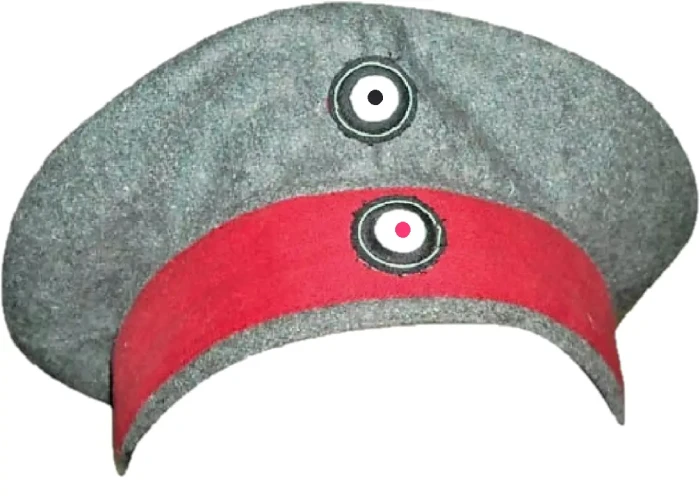
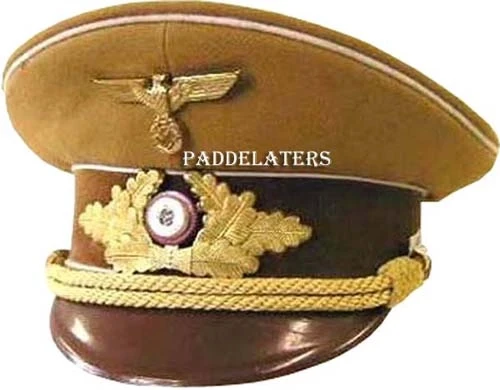
- Marine Corps Officer Dress Cover: For those focusing on Marine Corps reenactments, this piece of headgear is essential. It adds a level of authenticity to any military ensemble and is often sought after by collectors.
- WW1 Surplus Gear: Genuine surplus items from WWI, such as helmets, canteen sets, and web gear, can help you complete your reenactment setup with real, usable pieces from the era.
Informational Intent: Why Reenact the US Army 1800s Uniforms?
Understanding the historical context behind the US Army's 1800s uniforms can make your reenactment even more meaningful. By learning the stories behind each Uniform piece, you can fully appreciate the experience.
The Impact of the US Army 1800s on WWI and WWII
During the late 19th and early 20th centuries, the US Army played a crucial role in shaping the outcomes of both World Wars. The shift from the formal, almost ceremonial uniforms of the 1800s to the more practical and combat-ready designs seen in WWI and WWII illustrates the changes in military strategy and technology.
- The Evolution of the Uniform: The US Army’s transition from woolen uniforms in the 1800s to more durable materials like cotton and leather during the 20th century reflects the changing demands of warfare.
- The Role of the Marine Corps: The distinctive uniforms of the US Marine Corps, including the officer dress cover, have always signified elite status and leadership. Understanding the evolution of these garments will help you replicate the authenticity of the era.
The Origins of WW2 Leather Coat and Other Iconic Items
The WW2 leather coat was originally designed to provide warmth for bomber crews during long flights over Europe. As a reenactor, learning about its origins allows you to wear the piece with pride, knowing you’re paying homage to the brave men who wore them in combat.
Commercial Intent: Where to Buy Authentic WWI and WWII Uniforms
Once you understand what makes a uniform authentic, the next step is to find the right sources for your gear. Luckily, many outlets specialize in historical reenactment supplies, making it easier than ever to get your hands on quality uniforms and accessories.
Trusted Reenactment Suppliers
- Online Reenactment Stores: Websites like At The Front, Historical Reproductions, and East West Trading Company offer a wide range of authentic WWI and WWII US Army gear, including the coveted WW2 leather coat and Marine Corps officer dress cover.
- Surplus Stores: Many historical surplus stores carry genuine, period-correct items. Be sure to check for the manufacturer’s stamp and ensure the items have not been overly modified or altered.
- Auction Sites and Collectors Markets: If you're looking for rare items like WW1 surplus gear, online auctions or specialized collectors’ markets are excellent places to find one-of-a-kind pieces. Just be cautious and verify the authenticity of items before purchasing.
Common Pitfalls When Purchasing Uniforms
- Overpaying for Reproductions: It’s essential to differentiate between genuine surplus and modern reproductions. Some sellers may try to pass off a modern replica as an authentic item.
- Buying Incomplete Gear: Be sure to purchase complete sets of uniforms, as many accessories are hard to find separately. This is particularly important for items like web gear and leather jackets, which might be sold individually but were originally part of a set.
- Neglecting Quality Control: When buying vintage or surplus items, inspect the gear for wear and tear. Damaged pieces may require extensive repairs, which could increase your total costs.
Transactional Intent: How to Wear and Maintain Your WWI and WWII Uniform
Reenacting isn’t just about acquiring uniforms; it’s also about wearing them correctly and maintaining them over time. Proper care ensures that your Uniform remains in top condition and authentic-looking for future reenactments.
How to Wear Your US Army 1800s Uniform
- Fit and Comfort: When trying on your Uniform, make sure it fits well but also allows for movement. Avoid overly tight clothing, which can be uncomfortable during long reenactments.
- Layering: Depending on the era you are focusing on, layering may have been essential for warmth or protection. Make sure to layer clothing as soldiers would have during actual service.
Tips for Maintaining Leather Items like WW2 Leather Coat and Jackets
- Leather Care: The WW2 leather coat, being made of genuine leather, requires specific care to maintain its flexibility and appearance. Regularly condition the leather and avoid excessive exposure to water or sunlight.
- Storage: Store uniforms and leather gear in cool, dry conditions to prevent deterioration. For leather, consider using padded hangers to avoid creases.
Common Issues with Uniform Maintenance
- Leather Cracking: If neglected, leather can crack and become brittle. Always condition your leather items, including WW2 leather jackets and coats, to prevent this.
- Rust on Metal Parts: Metal buttons, buckles, and canteens can rust over time if not properly cared for. Regularly clean and polish metal components to maintain their shine and durability.
Conclusion: Embrace the Legacy of the US Army 1800s with Authentic Reenactments
Whether you're new to reenacting or a seasoned enthusiast, recreating the US Army's 1800s uniform for WWI and WWII reenactments can be a deeply fulfilling and educational experience. By sourcing authentic items, caring for your gear, and immersing yourself in the history behind the uniforms, you can bring the past to life in vivid detail. From the iconic WW2 leather coat to the distinctive Marine Corps officer dress cover, each piece of gear tells a story.
REQUISITION RELATED GEAR
EXPLORE MORE FIELD REPORTS
Browse all published guides and history articles.
