THE EVOLUTION OF BRITISH ARMY UNIFORMS: FROM THE ZULU WAR TO WW1
Introduction: The Surprising Legacy of the First World War British Uniform
Did you know that the iconic British uniform worn during the First World War had a significant influence on military uniforms worldwide? While many people associate military attire with contemporary times, the uniforms of the First World War played a pivotal role in shaping the modern combat look. Whether you're a history enthusiast, a collector, or simply curious about military fashion, understanding the First World War British uniform is essential. This article will guide you through its fascinating history, key features, and how it has evolved.
From the design and color to its practical applications on the battlefield, the uniform of the British Army during WW1 serves as a cornerstone of military fashion. But what exactly did it look like, and why was it so important? Let's dive into the specifics of the First World War British uniform and explore its enduring legacy.
Understanding the First World War British Uniform: A Brief History
The First World War British uniform was a symbol of British military might and resilience. It evolved from the traditional redcoats and was designed for functionality rather than just appearance. When the war broke out in 1914, the British Army needed a uniform that would provide comfort, concealment, and practicality for soldiers facing new types of warfare in the trenches.
The early versions of the uniform were made of wool, providing warmth in the harsh conditions of the Western Front. The distinctive "khaki" color was chosen for its camouflage properties, helping soldiers blend into the landscape and avoid detection by the enemy.
Key Features of the First World War British Uniform
- Color: The uniform was primarily khaki, which was a practical choice for concealment during trench warfare.
- Fabric: Wool was the main fabric used, though cotton and other materials were also employed for different weather conditions.
- Tunic and Trousers: The tunic had a high collar, often with pleated shoulders and brass buttons. The trousers were relatively simple, designed for ease of movement.
- Headgear: The famous "Brodie helmet" became iconic during WW1, offering protection against shrapnel and flying debris.
- Footwear: Leather boots were standard, although early models were criticized for being prone to wear and tear in the muddy conditions.
H2: The Influence of the First World War British Uniform on Other Military Attire
The first world war British uniform wasn't only a product of its time; it also influenced other nations and military styles, most notably the WW2 British soldier uniform. In fact, many elements of the WW1 British uniform, such as the khaki color and the design of the Brodie helmet, were carried forward into the next world war.
WW2 British Soldier Uniform
During World War II, the British Army retained much of the same basic design as the WW1 uniform, but with a few modifications:
- The uniform material was lightened to improve comfort and mobility.
- The iconic Brodie helmet was replaced with the Mk II helmet, which had a more streamlined shape for better protection.
- The uniform evolved to include the battle dress tunic, which offered more flexibility and better utility for soldiers.
British Zulu War Uniform
Another fascinating link in the history of British military uniforms is the British Zulu War uniform, which had a significant influence on military attire in the British colonies. Though it predates WW1 by several decades, the Zulu War uniform was a precursor to the khaki-based designs that would dominate during WW1.
H2: The Role of the WW1 French and German Uniforms in Shaping the Battlefield Look
The WW1 French uniform and WW1 German uniform were also designed with the same general goals in mind—functionality, comfort, and protection in the brutal conditions of trench warfare. These uniforms were distinct in their design and color, reflecting national pride and tactical needs.
- WW1 French Uniform: The French adopted a more colorful approach with their horizon blue uniform, though it was soon found to be ineffective for camouflage in the trenches. The design was changed multiple times during the war.
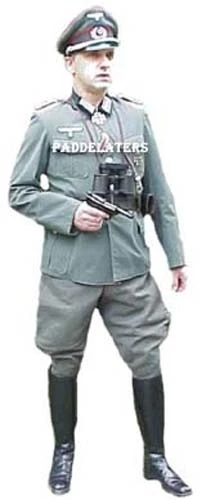
- WW1 German Uniform: The German uniform was characterized by a feldgrau (field grey) color, designed for camouflage and practicality. Their pickelhaube helmets were later replaced by the Stahlhelm, offering better protection and a more intimidating appearance.
H3: Common Pitfalls to Avoid When Collecting Military Uniforms
If you are looking to start collecting First World War British uniforms, there are a few common pitfalls to avoid. Knowing what to look for and how to authenticate pieces will save you time and money.
1. Authenticity Concerns
Many replicas and reproductions flood the market, so it's essential to buy from reputable dealers or auction houses with proven expertise. Be wary of uniforms that claim to be from WW1 but show signs of modern manufacturing.
2. Overpaying for Common Items
Some sellers may charge a premium for readily available items. Take the time to research typical prices for British uniforms, helmets, and accessories to avoid paying too much.
3. Ignoring Condition and Restoration
A uniform in poor condition may still have value, but be cautious about purchasing heavily restored items. Authentic, unaltered pieces tend to hold more value among collectors.
4. Overlooking Other Key Accessories
The uniform isn't just about the tunic and trousers. Pay attention to other accessories like the Brodie helmet, buttons, badges, and even the boots, which can tell you a lot about the authenticity and era of the uniform.
H3: Modern Trends in WW1 British Uniform Collecting and Display
Today, First World War British uniforms are highly sought after by collectors, museums, and history buffs. The trend has been shifting toward preserving complete outfits, including accessories, as these provide a fuller understanding of how soldiers would have looked and felt.
- Display Tips: Many collectors choose to display uniforms in shadow boxes or mannequins to maintain their condition while offering a historical visual representation.
- Growing Interest in Military History: As interest in military history and heritage continues to rise, particularly in relation to WW1 and WW2, the demand for original uniforms and replicas has surged.
Conclusion: The Enduring Significance of the First World War British Uniform
The First World War British uniform may have been a practical solution for soldiers facing an unprecedented type of warfare. Still, it has since become an enduring symbol of military history. The khaki tunic, Brodie helmet, and other features of the uniform have influenced generations of military fashion, not just in Britain, but around the world. Understanding its history, design, and influence can deepen your appreciation for the sacrifices made by soldiers during the Great War.
REQUISITION RELATED GEAR
EXPLORE MORE FIELD REPORTS
Browse all published guides and history articles.
