WW1 US UNIFORM GUIDE: HISTORY, REENACTMENT GEAR & HOW TO AVOID COMMON MISTAKES
WW1 US Uniform Guide: History, Reenactment Gear & How to Avoid Common Mistakes
Did you know? Over 4 million Americans wore the WW1 US uniform between 1917 and 1918 — yet few today know what each piece meant or how it evolved. Whether you're a history enthusiast, a reenactment, or just fascinated by military equipment, understanding the WW1 US uniform opens a unique window into the life of a soldier in the Great War.
This guide is your complete companion to identifying authentic elements, sourcing reenactment gear, and staying accurate — while avoiding rookie mistakes.
The Backbone of the Dough boy: Anatomy of a WW1 US Uniform
To understand the WW1 US uniform, it’s best to break it down into its essential components:
- Tunic (Service Coat): A dark olive drab wool coat, standing collar, five brass-button front, with branch and unit insignia.
- Trousers: Wool breeches, tucked into tall leggings or puttees.
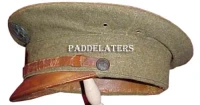
- Headgear: The iconic M1917 Brodie helmet, flat and round, plus the garrison cap or campaign hat depending on branch and time period.
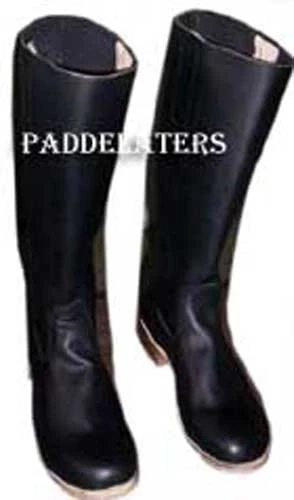
- Footwear: Marching shoes or hobnail boots.
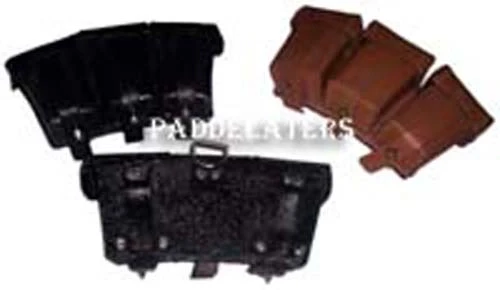
- Equipment belt: Carries ammo pouches, bayonet, canteen, and first aid.
- Overcoat: Heavy wool world war one jacket for winter wear.
- WW1 flying jacket: Issued to pilots in the US Air Service — made from leather or lined wool, rare and collecting today.
WW1 US Uniform for Reenactment: Getting Started
If you’re looking to build your first WW1 US uniform for reenactment, here’s a simple road map:
1. Choose Your Persona
- Infantry, Artillery, Medical Corps, or Air Service?
- Each has slightly different uniform details (insignia, colours, gear).
- Tip: Start with an infantryman; it’s the most common and easiest to find gear for.
2. Focus on Core Pieces First
- Service coat
- Wool breeches
- Puttees
- Brodie helmet
🛒 Recommended Vendors (2025 Trends):
- At the Front
- What Price Glory
- Hessen Antique
3. Don’t Forget WW1 Reenactment Equipment
Key items that bring your impression to life:
- M1910 haversack
- M1903 Springfield (non-firing replicas allowed for some events)
- Entrenching tool (shovel)
- Canteen and cup
- Gas mask bag (often worn empty, as original masks are rare)
Common Pitfalls to Avoid When Recreating the WW1 US Uniform
Even experienced reenactment make these mistakes:
❌ Mixing Eras
- Don’t mix WW2 boots or field gear with WW1.
- Example: WW2 double-buckle boots are not accurate.
❌ Inaccurate Colours
- Olive drab in WW1 was brownish, not green like later versions.
- Avoid modern camouflage or surplus gear painted the wrong colour.
❌ Wrong Insignia or Branch
- Pay attention to the collar disks and shoulder patches.
- Research your chosen division or regiment.
❌ Overlooking Details
- Original leggings were wrap-around puttees — tricky to wear but crucial for accuracy.
- Use period-correct buttons, snaps, and stitch patterns.
WW1 German Uniforms vs WW1 US Uniforms: Know the Difference
If you’re diving deep into reenactment or historical displays, knowing the enemy's uniform helps with accuracy.
Feature WW1 US Uniform WW1 German Uniform Colour | Olive drab | Field gray (Feldgrau)
Helmet | M1917 Brodie | Pickelhaube (early war) or Stahlhelm (later)
Footwear | Hobnail boots | Jackboots
Jacket Style | Four/five-button tunic | Stand-collar tunic with pleated pockets
Gear | Canvas & leather | Mostly leather straps
🔍 reenactment often portray both sides to understand full context — but keep your kit separate and distinct.
The WW1 Flying Jacket: A Collector’s Gem
Among the rarest pieces of the WW1 US uniform is the WW1 flying jacket, used by pilots and balloon observers.
- Materials: Leather or heavy wool, sometimes fur-lined.
- Look: Shorter cut, designed for cramped cockpits.
- Reproduction Tip: Few vendors offer accurate versions — expect high cost or custom work.
🎯 If you’re aiming for an Air Service impression, this jacket is a centerpiece.
How WW1 Uniform Trends Have Evolved in 2025
Modern reenactment and collecting trends are shifting:
- ✅ Sustainability: More reenactment seek organic wool and naturally dyed fabrics.
- ✅ Digital History: Virtual reenactments and museum-led online impressions are gaining ground.
- ✅ Inclusivity: Broader portrayal of roles — including ambulance drivers, medics, and African American regiments like the Harlem Hell fighters.
Actionable Tips for Building a WW1 US Uniform Kit
Here's a quick checklist to guide your build:
🧰 Starter Kit for Beginners:
- M1917 Brodie helmet
- Wool service coat and breeches
- Canvas leggings or puttees
- M1910 belt with basic pouches
- Reproduction boots (avoid surplus unless accurate)
💰 Budgeting:
- Expect to spend $500–$1200 depending on authenticity.
- Prioritise uniform before rare gear or weapons.
📸 Real-Life Example:
Steve, a reenactment from Pennsylvania, built his full kit for $800 over six months, buying secondhand and swapping gear through forums.
Where to Buy Authentic WW1 US Uniform Gear (2025 Sources)
🛍️ Trusted Online Stores:
- What Price Glory – Best for complete kits.
- At the Front – Known for quality reproductions.
- IMA USA – Great for both repro and original gear.
- eBay – Risky, but potential for real finds (verify sellers).
📢 Pro Tip: Join reenactment forums like Great War Association or WW1 reenactment FB Group for reviews and gear swaps.
Final Thoughts: Why the WW1 US Uniform Still Matters Today
The WW1 US uniform represents a pivotal time in American and world history. It’s more than just wool and buttons — it’s about identity, sacrifice, and the dawn of modern warfare. Whether you're building your kit for reenactment, display, or education, authenticity connects you to the past in a powerful way.
REQUISITION RELATED GEAR
EXPLORE MORE FIELD REPORTS
Browse all published guides and history articles.