WW1 US MILITARY GEAR: THE UNIFORMS AND EQUIPMENT THAT SHAPED HISTORY.
Introduction
When we think about World War I, one of the first things that come to mind is the iconic images of soldiers in their uniforms. The uniforms worn by U.S. soldiers during WWI were not just about style – they were about function, protection, and identity. These uniforms played a critical role in the soldiers' ability to survive, perform their duties, and contribute to the war effort. Understanding the history of WW1 U.S. military gear, including uniforms and equipment, offers insight into how these items influenced both the American military and the larger course of the war.
In this blog post, we’ll break down the features, pros, and cons of the WW1 U.S. military uniform, look at some real-world examples, and answer some of the most common questions about them. Whether you’re a history buff or just curious about military gear, this post will give you a deeper appreciation for the significance of these uniforms in military history.
Features of the WW1 US Uniform
1. The M1912 Wool Field Uniform
The standard U.S. military uniform during World War I was the M1912 wool field uniform. This uniform consisted of a woolen tunic (jacket) and matching trousers, both made from a durable and functional material – wool. Wool was used because of its ability to keep soldiers warm in cold weather, its durability, and its natural resistance to fire.
The tunic had a single-breasted design with five buttons down the front, two chest pockets, and two hip pockets. The uniform’s colors were typically a drab olive or khaki, designed to blend into the environment and provide camouflage, though it wasn’t perfect at this. The trousers were similarly practical, designed to tuck into the boots and provide comfort during long marches or time spent in trenches.
2. Headgear – The Brodie Helmet (M1917)
While the M1912 uniform was standard, one of the most notable pieces of equipment was the M1917 Brodie helmet, which was introduced in response to the increasing use of shrapnel and artillery on the battlefield. This helmet was made of steel and was designed to protect the soldier’s head from falling debris and shrapnel. Its design was simple but effective, with a wide brim and a deep crown to shield the wearer from blasts and flying objects.
Before the M1917 helmet, U.S. soldiers were using foreign helmets like the British "Brodie" helmet. The American version became the standard helmet for the remainder of the war.
3. Equipment and Accessories
In addition to the uniform and helmet, soldiers wore a number of other essential pieces of equipment. These included:
- Leather Boots: These were durable but uncomfortable at times. Made from cowhide, they provided protection and support during marches and in the trenches.
- Webbing and Belts: Soldiers carried ammunition pouches, canteens, and other essentials in a set of webbing that fastened around their waist and shoulders. This gear was primarily made from canvas or leather.
- Gas Mask: With the increasing use of chemical warfare, soldiers were issued gas masks. These were housed in a canvas bag and strapped across the soldier’s face when necessary to protect against harmful gases like mustard gas.
4. The Olive Drab Color Scheme
The color of the uniform – known as "olive drab" – played a key role in its design. The color was chosen because it blended well with the various environments soldiers found themselves in, from the trenches to the fields. While not ideal for full camouflage, it provided a practical balance between visibility and concealment. It’s important to note that while the idea of camouflage would develop more in the years following WW1, the olive drab uniform was an essential step toward the more advanced camouflage techniques used in later wars.
Pros & Cons of the WW1 US Uniform
Pros
- Durability and Protection: The woolen fabric used in the M1912 uniform was sturdy, offering protection against the harsh elements, especially in cold weather. The leather boots provided support and durability for long marches.
- Practical Design: The uniform was designed with functionality in mind. It included various pockets for storing essential items, and the webbing allowed soldiers to carry necessary equipment like ammunition, water, and gas masks.
- Standardisation: The uniform was consistent across the U.S. Army, ensuring that all soldiers wore a recognizable outfit. This helped foster unit cohesion and morale.
- Protection from Chemical Warfare: The gas mask, though uncomfortable, was essential in protecting soldiers from the new threat of chemical weapons.
Cons
- Weight and Discomfort: While the uniform was durable, it could be heavy, especially when combined with the gas mask, helmet, and equipment. Soldiers often found the wool fabric itchy and uncomfortable.
- Limited Camouflage: Although olive drab provided some concealment, it was not as effective as the camouflaged patterns developed in later conflicts. The uniform didn’t blend as well with certain environments like the dense woods or urban battlefields.
- Poor Ventilation: The wool material, though excellent for insulation, didn’t allow for proper ventilation in hot weather, leading to discomfort and fatigue for soldiers in warmer climates.
- Limited Protection: While the helmet offered decent protection, it was not perfect, and many soldiers still suffered head injuries from shrapnel and debris.
Real-World Examples: Famous Figures Who Wore the Uniform
General John J. Pershing
One of the most famous figures in the U.S. Army during WWI was General John J. Pershing, commander of the American Expeditionary Forces. Pershing wore the standard M1912 uniform, but his role as a leader also meant that he often donned a variety of other insignia and decorations to distinguish himself from the rank and file.
His uniform, including the iconic M1917 helmet, became a symbol of American leadership and resolve during the war.
The Doughboys
The nickname "Doughboys" referred to the soldiers of the American Expeditionary Forces. These soldiers were known for their hardiness and resilience. Many of them wore the M1912 uniforms, and photographs from the era often show them in the field, heavily laden with their gear.
These "doughboys" became an enduring symbol of American soldiers in WWI, and the look of their uniforms, helmets, and equipment became an enduring image of U.S. involvement in the war.
FAQs About the WW1 US Uniform
1. How were the uniforms maintained during the war?
Maintaining uniforms during WWI was a constant challenge. Soldiers in the trenches had limited opportunities for cleaning their clothes, leading to the uniforms becoming heavily soiled and worn. However, the military issued replacement gear as needed. Soldiers often had to perform repairs themselves using spare fabric or thread.
2. Were there any variations in the uniforms?
Yes, while the standard M1912 uniform was widely used, variations did exist, especially for different branches of the military. For instance, cavalry units had slightly different uniforms, including riding boots. Additionally, specialised units like engineers or medical personnel had unique insignia or equipment.
3. How did the U.S. uniform compare to the uniforms of other nations?
The U.S. uniform was relatively similar to those of other nations, like the British and French. However, the Americans were late in adopting the steel helmet compared to the British, and their early gear was less advanced in terms of camouflage and design.
Conclusion
The WW1 U.S. military uniform was more than just a piece of clothing—it was a vital tool that protected soldiers and provided them with the necessary equipment to perform their duties. While it had its limitations, especially when compared to the more advanced designs of later wars, it remains a symbol of the resilience and determination of the American soldiers who fought in the Great War. From the olive drab wool uniforms to the iconic M1917 helmets, these pieces of military gear were crucial to the war effort and have since become an important part of military history. Understanding the design and function of these uniforms gives us greater insight into the challenges faced by soldiers on the front lines during World War I.
REQUISITION RELATED GEAR
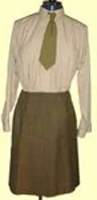
World War two (ww2,wwii) British army ATS Uniform ( Auxiliary Territorial Service uniform) SD (Service Dress Uniform) Shirt:
$47.00

World War two (ww2,wwii) British army ATS Uniform ( Auxiliary Territorial Service) Leather Anklets or Gaiters
$35.00
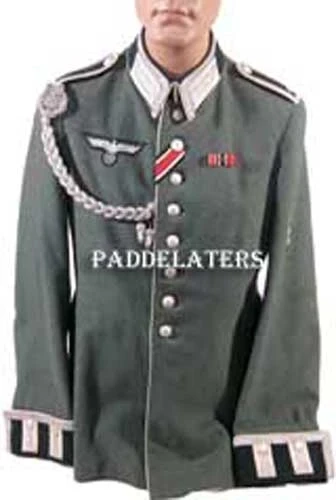
WW2(ww2, wwii) German Army Infantry parade dress Tunic
$164.00
EXPLORE MORE FIELD REPORTS
Browse all published guides and history articles.
