WORLD WAR II AMERICAN UNIFORMS VS. WORLD WAR 1 U.S. UNIFORMS: HISTORY, COLLECTING TIPS & KOREAN WAR INFLUENCE”
World War II American Uniforms: History, Collecting Tips & How They Compare to World War 1 Uniforms
Have you ever wondered how World War II American uniforms compared to their predecessors from World War 1? Here’s a surprising fact: by 1945, the U.S. Army had produced over 85 million uniforms to outfit its soldiers. That sheer scale reflected not just military necessity, but also evolving design, technology, and even morale.
If you’re a history lover, reenactor, or collector, understanding these uniforms is more than just studying fabric—it’s stepping into the daily realities of soldiers from the US WWI uniform era to the later Korean War uniforms.
In this guide, you’ll learn:
- How World War 1 uniforms United States soldiers wore transitioned into the gear of WWII.
- Actionable steps for starting a collection.
- Common pitfalls to avoid when buying or preserving uniforms.
- Current trends in war memorabilia and educational reenactments.
Why Study World War II American Uniforms?
Uniforms tell stories. They show us how governments saw their armies, how soldiers endured harsh conditions, and even how culture influenced military fashion.
For WWII enthusiasts:
- They reveal the evolution of combat practicality—moving from wool-heavy WWI khaki to light cotton and durable synthetic blends by the end of WWII.
- They reflect strategy—a jungle fighter in the Pacific wore vastly different gear from a winter soldier during the Battle of the Bulge.
- They connect directly to collectors today, as WWII and WWI uniforms still draw high demand at auctions, museums, and reenactments.
World War II American Uniforms vs. World War 1 Uniforms United States
H2: The Evolution of the US WWI Uniform into WWII Gear
When the U.S. entered World War 1 in 1917, uniforms were heavily influenced by European allies:
- Color: Olive drab wool, designed to blend in with mud-heavy battlefields.
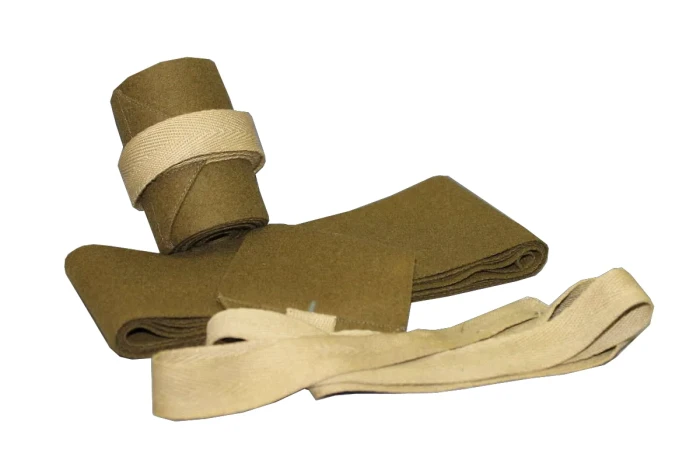
- Design: A wool tunic with brass buttons, breeches, and wrap puttees around the legs.
- Headgear: The iconic “doughboy” steel helmet, patterned after the British Mk I.
By WWII, major changes occurred:
- Wool persisted, but cotton khaki shirts and trousers became standard for warmer climates.
- Helmets shifted to the M1 steel pot, which became a symbol of the U.S. Army for decades.
- Greater specialization—paratroopers, tank crews, medics, and engineers each had tailored uniforms.
In short: World War 1 uniforms United States troops wore laid the foundation, but WWII constantly adapted to climate, combat style, and technology.
H2: Actionable Tips for Collectors of World War II American Uniforms
If you’re interested in reenactment, historical display, or building a collection, follow these steps:
H3: Step 1 – Learn the Variants
Don’t just say “WWII uniform.” Instead, understand the types:
- M1941 Field Jacket: Light cotton, issued early WWII, popular with infantry.
- M1943 Uniform: Improved design with multiple layers for versatility.
- Dress Uniforms: Class A greens for officers.
- Specialized Outfits: Airborne jump suits, tanker jackets, navy dress blues.
H3: Step 2 – Authentication Tips
- Look for labels & contract stamps. WWII originals often had quartermaster tags.
- Check stitching—hand-sewn repairs can actually add to value rather than decrease it.
- Be wary of reproductions: Modern reenactor gear sometimes gets passed off as original.
H3: Step 3 – Storage & Preservation
- Store in a climate-controlled space. Wool attracts moths if not properly protected.
- Use acid-free garment bags instead of plastic.
- Never use wire hangers—they warp wool shoulders.
H2: Common Pitfalls When Collecting World War II American Uniforms
Overpaying for Replicas
Beginners often mistake reproduction uniforms for original WWII issues. Always cross-check with reputable collector forums or reference books.
Ignoring the Context
A uniform without history is just clothing. Seek pieces with provenance—badges, unit patches, or even soldier names. These are more valuable than generic surplus.
Confusing WWII with Other Eras
Many Korean War uniforms looked very similar to late WWII designs. For instance, the M1951 field jacket resembles the WWII M1943, but with subtle differences in fabric and cut. Collectors should learn to spot these changes.
Influences Beyond WWII: The Link to Korean War Uniforms
Another fascinating angle is how uniforms evolved after WWII:
- Korean War uniforms (1950–1953) carried over much of the late WWII style.
- The WWII M1 helmet lasted through Korea and even into Vietnam.
- The shift from wool-heavy combat wear to lighter cotton and, later, synthetic fibers began in earnest after WWII.
This proves that World War II American uniforms didn’t just serve one conflict—they set the standard for decades.
Current Trends in Studying and Collecting War Uniforms
For history lovers today, WWII and WWI American uniforms have growing appeal. Here’s what’s trending now:
- Reenactment Groups: Entire units replicate combat scenes with accurate gear, educating the public.
- Digital Collections: Museums now digitize uniforms in 3D archives, letting enthusiasts examine details online.
- Sustainable Preservation: Collectors use professional textile conservation techniques to ensure garments last another century.
- Cross-Era Displays: Side-by-side exhibits of a WW1 American uniform and a WWII GI uniform highlight differences and similarities, drawing strong audience interest.
Practical Steps for Beginners
Want to get started without feeling overwhelmed? Here’s a roadmap:
- Start Small: Buy a single, authentic WWII jacket or helmet before diving in.
- Build Knowledge: Read guidebooks on US WWI uniform and WWII gear.
- Visit Shows: Military memorabilia fairs often let you inspect items firsthand.
- Network: Join collector forums and social media groups for advice.
- Expand to Comparisons: Once comfortable, move into World War 1 uniforms United States collecting, then add Korean War uniforms to build a timeline.
H2: Case Study – From a Single Jacket to a Museum Exhibit
Take the example of a small-town history buff in Ohio. He started with one WWII M41 field jacket bought for under $200 at a flea market. Over 20 years, he:
- Added U.S. WWI uniforms to show pre-WWII roots.
- Preserved a collection of Korean War uniforms to highlight continuity.
- Donated the collection to a local museum, where it now educates thousands annually.
➡️ The lesson? Even small steps in collecting World War II American uniforms can turn into meaningful contributions to historical preservation.
Conclusion: Why World War II American Uniforms Still Matter Today
From the muddy trenches of WWI to the Pacific jungles of WWII and the cold winters of Korea, U.S. military uniforms represent resilience, adaptation, and the stories of everyday soldiers. For history enthusiasts, reenactors, or collectors, exploring World War II American uniforms is both practical and deeply rewarding.
Remember:
- Learn the details and avoid replicas.
- Preserve what you buy with care.
- Expand your scope to include world war 1 uniforms United States designs and Korean War uniforms for context.
REQUISITION RELATED GEAR
EXPLORE MORE FIELD REPORTS
Browse all published guides and history articles.
