FRENCH ARMY UNIFORMS EXPLAINED: PAST, PRESENT, AND COMPARISON
French Army Uniforms: A Glimpse into Military History and Function
When you think about military uniforms, what comes to mind? You might envision a camouflage pattern, tough fabric, and a serious, utilitarian design. But when it comes to the French Army, their uniforms are much more than just a functional outfit. They reflect a rich history, distinct cultural identity, and unique military legacy.
In this blog post, we will dive into the fascinating world of French Army uniforms—past and present—examining how they’ve evolved over the years, the specific features of modern uniforms, and the distinctive French Foreign Legion uniform. Plus, we'll even compare them to the US Army cavalry to get a sense of how military styles differ across the world.
The Problem: A Lack of Awareness about French Military Uniforms
When most people think about military uniforms, they tend to picture the standard military fatigues worn by soldiers in modern-day wars. However, the story of military uniforms is much deeper. French military uniforms, for instance, are steeped in history, with unique designs that represent centuries of military tradition and battles.
For many, there’s little awareness of the distinctive elements that set the French military uniform apart, from its historical roots to modern adaptations. Even more obscure is the French Foreign Legion uniform, which carries with it its own set of legends and associations with international soldiers from around the world.
On the other hand, countries like the United States have a relatively straightforward military uniform tradition that’s well known to the public, but the same can’t be said about the French Army and its iconic uniforms.
The Agitation: Why Understanding French Army Uniforms Matters
Without a clear understanding of these uniforms, we miss out on a significant aspect of military history. These uniforms are not just about clothing; they tell stories of the battles fought, the cultures blended, and the traditions maintained.
Think about the French Foreign Legion, a symbol of strength, unity, and camaraderie, wearing a uniform that has become synonymous with some of the toughest soldiers in the world. If you only look at the modern version of the French Army uniform, you may miss out on understanding the deep connection between these men, their unique place in French history, and their role in global peacekeeping missions.
In contrast to the American military, whose uniforms have evolved to reflect their own history and military needs, the French Army’s uniforms have to carry not just function, but also centuries of national pride and an ongoing narrative of cultural significance. This narrative is often misunderstood, which is why it’s essential to unpack the distinct features and symbolism behind French military uniforms.
The Solution: Understanding the Features of French Army Uniforms
1. The Evolution of French Army Uniforms
Historically, French Army uniforms were as varied as the many wars France fought. From the Napoleonic era to the World Wars, the French military’s uniforms were often designed with both aesthetics and practicality in mind.
- Napoleonic Era: French military uniforms during the Napoleonic era were elaborate, featuring bright colors, elaborate decorations, and distinct headgear like the bicorne hat. They were meant to make a bold statement on the battlefield and reflect the grandeur of Napoleon's ambitions. The iconic blue coat became associated with French soldiers and remains a symbol of their military history today.
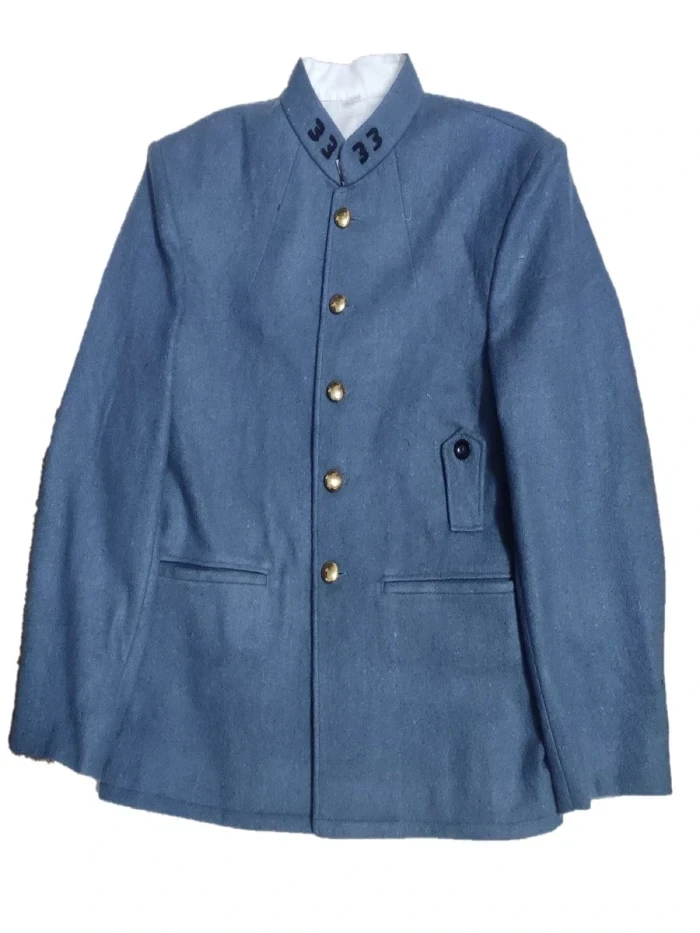
- World War I and II: French uniforms during the World Wars saw more practical designs. The blue coat was replaced by a more neutral-colored uniform, suitable for trench warfare. The introduction of the famous adopted horizon blue uniform, featuring a steel helmet (known as the Adrian helmet), marked a new era of military functionality.
2. Modern French Army Uniform
Today, the French Army uses a camouflage uniform designed for different combat environments. The F1 and F3 uniforms, both introduced in the late 20th century, are typically made from cotton and polyester blends, offering durability and flexibility. These uniforms are designed for a wide variety of terrains, from deserts to forests.
Key features include:
- Camouflage patterns that are highly effective in various combat zones.
- Multiple pockets for practical use and to carry necessary tools and equipment.
- Beret: The iconic French Army beret, traditionally worn in a variety of colors, signifies the unit to which the soldier belongs.
- Combat boots designed for comfort during long patrols and rugged terrains.
The modern uniform is less about historical tradition and more about function, safety, and comfort in modern combat situations.
3. French Foreign Legion Uniform
The French Foreign Legion is one of the most unique military units in the world. Recruited from around the globe, this elite force has earned a reputation for toughness and bravery. Their uniform is also iconic, notably different from other branches of the French Army.
Key features:
- White kepi: The distinctive white kepi (hat) is worn by legionnaires. It’s a symbol of the Legion’s unique position and identity.
- Green beret: A symbol of elite status within the French military.
- Camel-colored camouflage: This color reflects the desert environments that Legionnaires often operate in.
The Legion's uniform is designed to foster a sense of unity and camaraderie, with simple yet functional designs that cater to the Legion’s high demands.
Pros and Cons of French Army Uniforms
Pros
- Functional and Practical: Modern uniforms are designed to be durable, functional, and appropriate for diverse terrains and climates.
- Historical Significance: The long history and evolving designs provide a sense of national pride and continuity.
- Comfort: Modern uniforms are made with materials designed to enhance comfort during prolonged operations.
- Distinctive Styles: The unique elements, like the French Foreign Legion’s kepi, help create a distinct identity for each branch of the French military.
Cons
- Heavy Layers: In some cases, the uniforms can be heavier than necessary, especially during hot weather conditions.
- Maintenance: The need for proper care and maintenance of items like the kepi or beret can make upkeep more labor-intensive.
- Adaptability: While designed for various combat situations, the uniform may not always be the best fit for every operation, leading to some discomfort during specific tasks.
Frequently Asked Questions (FAQs)
1. Why do French soldiers wear berets?
The beret is an iconic symbol of the French Army and serves as a distinctive feature that distinguishes different branches of the military. Each unit has a unique beret color, and it's worn to represent the soldier's affiliation with a particular division.
2. How does the French Army uniform compare to the US Army?
While both the French and US Armies have similar camouflage patterns designed for various environments, the US Army uniform tends to focus on practicality and comfort with a modern, minimalist approach. In contrast, the French Army still incorporates some elements of tradition, like the beret and the legacy of their historical uniforms.
3. What is the French Foreign Legion’s uniform like?
The French Foreign Legion’s uniform is distinctive and designed for both function and symbolism. The white kepi and green beret are iconic, while the practical camel-colored camouflage is designed for desert environments.
Real-World Examples of French Military Uniforms in Action
French military uniforms have seen action in various conflicts, from colonial wars in Africa to peacekeeping operations around the world.
- Battle of Verdun (World War I): French soldiers, dressed in the iconic horizon blue uniform, faced the brutal conditions of trench warfare. The uniform's steel helmet provided much-needed protection.
- French Foreign Legion in the Battle of Camarón (1863): The French Foreign Legion’s uniform became a symbol of resistance and tenacity during this legendary battle in Mexico, where a small group of legionnaires fought to the death.
Conclusion
Understanding the French Army uniforms is more than just appreciating a design. It’s about recognizing the deep-rooted history and tradition that these uniforms carry, especially when it comes to iconic branches like the French Foreign Legion. Whether through the rich history of the blue coats or the modern, functional camouflage used by today’s French Army, these uniforms offer a glimpse into France’s military heritage.
By comparing French uniforms with those of other armies, like the US Army, we can better appreciate how each nation’s military has adapted to meet its own unique needs and traditions. From the battlegrounds of the past to the global peacekeeping missions of today, French military uniforms have always stood as a proud symbol of national identity and resilience.
REQUISITION RELATED GEAR
EXPLORE MORE FIELD REPORTS
Browse all published guides and history articles.
