FRENCH WW1 GREATCOAT: COMPLETE GUIDE TO UNIFORM COMPONENTS & COLLECTING TIPS
Introduction: Did You Know Soldiers Wore 7 kg of Clothes in WW1?
When you imagine life in the trenches of World War I, what comes to mind first? Mud, barbed wire, endless waiting under fire. But did you know that a French soldier’s uniform alone could weigh more than 7 kilograms? Beyond rifles and ammunition, soldiers carried layers of wool, leather, and heavy boots—equipment meant for survival in unforgiving conditions.
One of the most iconic pieces was the French WW1 greatcoat, a heavy wool garment that soldiers wore from scorching summers to freezing winters. Understanding the greatcoat and broader clothing in World War 1 gives us not only a glimpse into history but also insight into how uniforms shaped survival, morale, and military identity.
If you’re passionate about WW1 history, military collectibles, or reenactments, diving deep into French WW1 uniform components can help you appreciate the details that defined an era.
The Iconic French WW1 Greatcoat – More Than Just a Coat
The french ww1 greatcoat (known as capote) was issued to almost every soldier. But it was much more than protection from the elements:
- Material & Design: Made primarily from thick wool, usually in horizon blue (after 1915), replacing the bright red and blue uniforms of early war years.
- Features: Double-breasted front, large collar, and long cut to shield soldiers from wind and rain.
- Symbolism: It became the visual icon of the French "poilu" (nickname for infantry soldiers, meaning "the hairy one").
For reenactors or collectors, getting an authentic reproduction is crucial. Look for details like reinforced shoulder areas, accurate buttons, and correct cloth weight. Avoid modernized fabrics—authenticity lies in heavy wool, not synthetic blends.
WW1 French Uniform Components: A Breakdown
French soldiers’ clothing was designed for endurance in muddy, freezing trenches. Here’s what typically made up their gear:
1. Headgear
- 1914 Kepi – Originally a colorful cap, phased out due to visibility.
- Adrian Helmet (1915) – One of the first steel helmets widely used, designed to reduce shrapnel injuries.
2. Tunics & WW1 Jacket
- Early war uniforms included a dark-blue ww1 jacket with red trousers—a visually stunning but dangerous choice in modern warfare.
- By 1915, muted tones like horizon blue became standard for camouflage.
3. The Greatcoat
- The french ww1 greatcoat was layered over jackets. Soldiers often stuffed extra rations or letters into its deep pockets.
- Collectors note that original coats are rare, as many were repurposed postwar for civilian use.
4. Trousers & Puttees
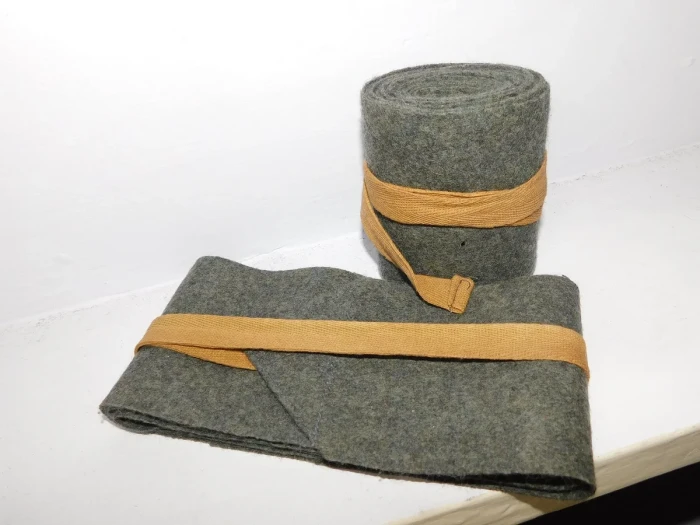
- Soldiers wore wool trousers tucked into puttees (long strips of cloth wrapped around lower legs to prevent mud and abrasions).
5. Boots
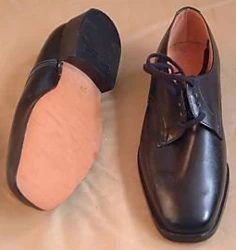
- Leather boots often wore out quickly, forcing soldiers to repair them with improvised stitching or even scavenged materials.
6. Gas Protection: German Gas Mask WW Influence
- Poison gas attacks forced rapid innovation. French soldiers initially used makeshift masks, later adopting modeled respirators influenced by the German gas mask WW designs.
Actionable Tips for Collectors and Enthusiasts
If you’re planning to collect or study clothing WW1, these steps will keep your journey focused and rewarding:
1. Research Before Buying
- Study reference books, war museum catalogs, and photographs.
- Compare stitching patterns and fabric colors to spot reproductions.
2. Start with Reproductions
- Original french ww1 greatcoats can cost thousands and are fragile.
- Reproductions allow you to experience the weight and feel firsthand without damaging history.
3. Network With Collectors
- Visit militaria fairs, online forums, or reenactment groups.
- You’ll learn from experts and sometimes uncover authentic bargains.
4. Document Your Finds
- Keep records of purchase, provenance, and details for each uniform piece.
- Proper documentation increases value in the collector market.
Common Pitfalls to Avoid
Many beginners fall into traps when dealing with clothing in World War 1 items. Avoid these mistakes:
- Buying without authentication: Many reproductions are sold as originals.
- Ignoring condition: Wool deteriorates; moth damage and moisture can destroy valuable coats.
- Overpaying: Don’t rush to spend. Prices vary widely depending on rarity and preservation.
- Assuming all items are French: Some hybrid uniforms feature German or British components—learning to differentiate is key.
Current Trends in WW1 Military Collecting
Interest in WW1 uniforms has steadily grown since the centenary in 2014. Some notable trends include:
- Rise of Reenactments: Groups across Europe use french ww1 greatcoats and ww1 jackets to recreate trench life.
- Digital Archives: Museums now digitize uniforms, making research easier than ever.
- Cross-Conflict Comparisons: Collectors often compare French gear with German gas mask WW equipment and British trench kit to understand differences.
- Investment Collecting: Original clothing WW1 pieces are rising in price, especially complete sets with helmets and coats.
How to Identify Authentic French WW1 Greatcoats
Spotting real greatcoats isn’t easy, but these steps help:
- Check Fabric Weight – True WW1 coats were heavy wool, around 2–3 kg each.
- Inspect Stamping – Authentic coats often have ink-stamped depots or unit codes.
- Look for War Wear – Small repairs, sweat stains, and aging signs often confirm authenticity.
- Compare Histories – Match with photos for consistency in button design and collar shapes.
French WW1 Greatcoat and Its Legacy
More than a piece of clothing, the french ww1 greatcoat stood as a soldier’s armor against cold, wind, and fear. When combined with other uniform components, it tells a powerful story—of endurance, simplicity, and survival.
Today, collectors, historians, and reenactors continue to study these uniforms to connect with a pivotal moment in history. Understanding details like the ww1 jacket, German gas mask WW innovations, and broader clothing WW1 context helps preserve this memory.
Conclusion: Reconnect with History Through the French WW1 Greatcoat
The french ww1 greatcoat remains one of the most enduring images of soldiers in World War I. Whether you’re a history enthusiast, a reenactor, or a collector, exploring this garment gives you a tangible link to the past.
- Learn the components.
- Avoid beginner mistakes.
- Stay updated with modern trends in military history.
If you’re serious about engaging with clothing in World War 1, start by studying the French greatcoat—because sometimes, history really is stitched into the fabric of what soldiers wore.
REQUISITION RELATED GEAR
EXPLORE MORE FIELD REPORTS
Browse all published guides and history articles.
