LOOKING FOR WW1 UNIFORMS? HERE’S HOW TO SPOT THE REAL DEAL
WW1 Uniforms for Sale: An Uncommon Find
Collecting World War I uniforms, especially British military jackets, can feel like chasing a ghost. If you’ve been in the market for a genuine WW1 jacket, you know the drill—finding one in good condition at a fair price seems nearly impossible. But here’s the thing: collectors are paying top dollar for authentic pieces. Whether you’re a seasoned collector or just starting, the market for WW1 uniforms, particularly British jackets, remains incredibly active.
So why is it so tough to track down an original WW1 jacket, and more importantly, how can you get your hands on one? Let’s explore the challenges, the details that matter when buying, and how you can spot a real deal in a sea of fakes.
Why WW1 Uniforms Are Hard to Find
When it comes to sourcing WW1 British military uniforms, several key factors make them rare:
-
Age and Condition: WW1 uniforms were worn by soldiers over 100 years ago. Many have suffered wear and tear from use, making them difficult to find in excellent condition. The fabrics, like wool and cotton, degrade over time, especially when exposed to the elements.
-
Limited Surplus: After the war, many uniforms were either discarded or repurposed, which means there was no mass storage of surplus items. What remains today is limited to private collections, estate sales, and auctions.
-
High Demand, Low Supply: British military uniforms have been highly sought after for decades by collectors and historians. The demand is significant, but the supply continues to shrink as pieces get sold off or deteriorate.
With that in mind, here’s why the frustrations keep piling up.
Common Buyer Frustrations
-
Misleading Listings
Ever find yourself looking at a “genuine WW1 British jacket” only to realize it’s made of modern materials or lacks the proper insignia? Many sellers misrepresent the pieces they offer, confusing buyers about what’s truly authentic. A wool blend may look the part, but if it’s missing the right button stamps or insignia, you’ve got a reproduction on your hands.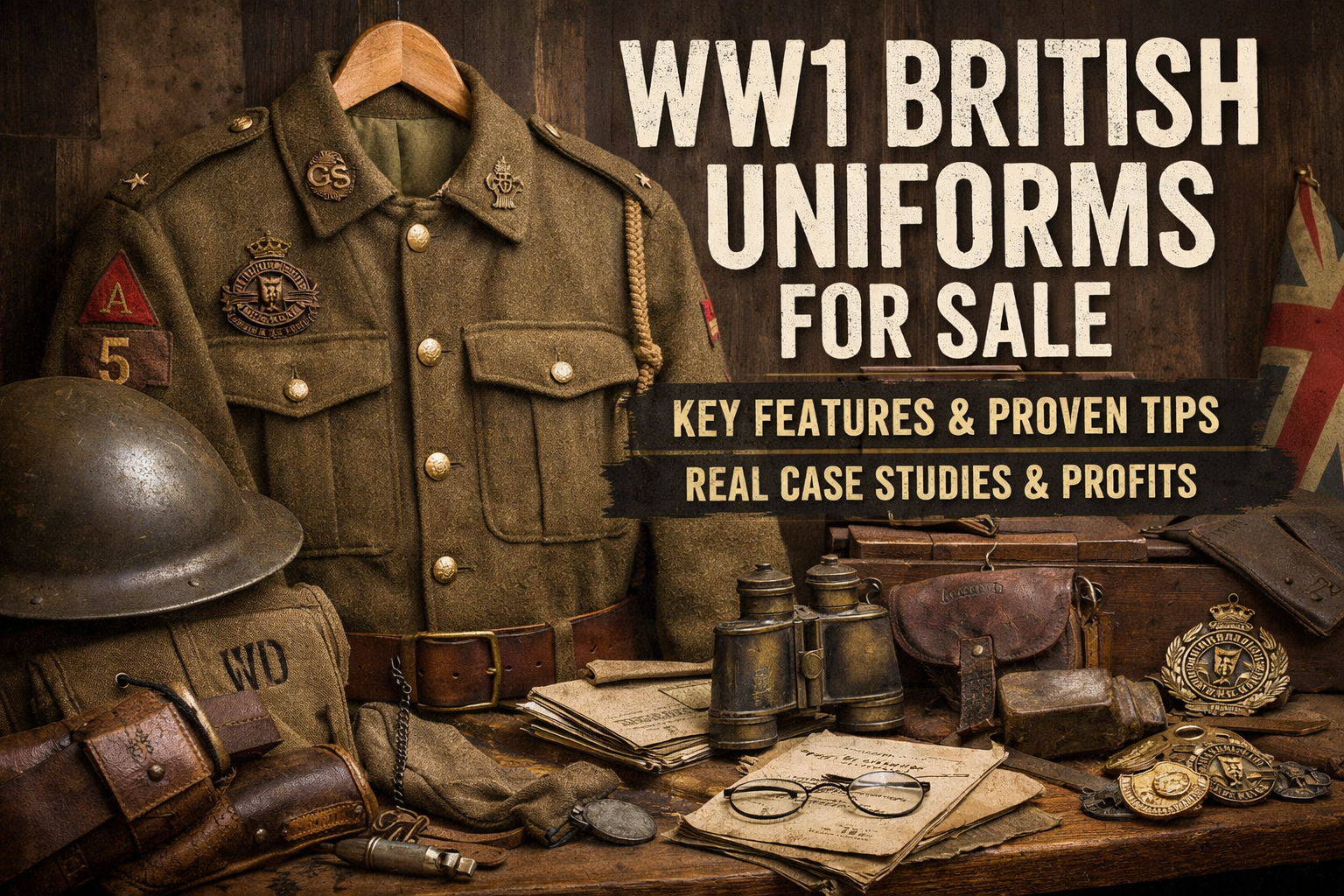
-
Sizing Issues
Uniforms from WW1 were designed for soldiers of a different build. While today’s sizes may be more standardized, those original jackets often run small or have odd cuts. Even if the uniform looks right on the outside, finding one that fits properly is another challenge. -
Sky-High Prices
As mentioned, the demand for authentic British WW1 uniforms drives prices up. Whether it’s a jacket, tunic, or hat, a genuine piece could cost hundreds, if not thousands, of dollars. And sometimes, buyers are left wondering if they’ve been overcharged. -
Fakes and Replicas
Unfortunately, the market for fakes is thriving. Many replicas are sold as originals, and it takes some expertise to spot the difference. Without proper knowledge, buyers risk paying top dollar for a knockoff.
Key Features of Authentic British WW1 Uniforms
If you’re serious about purchasing a genuine British WW1 uniform, knowing the key details to look for is essential. Here’s a quick rundown of the main features that make a jacket stand out:
-
Fabric and Material Composition
The wool blend used for WW1 uniforms was heavier and coarser than modern versions. Typical British tunics from the Great War were made of a combination of wool and cotton. The wool was often mixed with a small amount of synthetic fibers later on for durability, but in the early 1900s, you’d find a mostly wool composition, sometimes as high as 80%. -
Buttons and Stamps
British military jackets from WW1 often had specific button stamps. The buttons on an authentic jacket will usually feature a crown or an inscription, like "Kings Crown" or "GR" (George Rex). These stamps are crucial for confirming authenticity. -
Insignia and Patches
Look closely at the sleeve. Many WW1 British uniforms had embroidered shoulder titles, regiment numbers, or even battle insignia. Some of these were hand-sewn, others were machine-stitched, depending on the unit and year. Fakes will often have printed or mass-produced insignia that lacks the finer details. -
Overall Construction
The construction of an authentic jacket should reflect the period’s tailoring practices. Look at the stitching, particularly around the seams and cuffs. The fabric should feel thick, not flimsy, and the overall cut should be a bit boxy (reflecting the military style at the time). -
Label and Tags
Original labels inside the jackets, like the British War Department stamps or contractor labels, are another strong indicator. These are often worn or faded, but they’re one of the few indicators that prove the jacket is not a replica.
Pros and Cons of Buying WW1 Uniforms
Before you rush to make a purchase, here are some practical pros and cons to keep in mind:
Pros:
-
Historical Value: Each jacket tells a story, whether it’s from a particular regiment or worn by a soldier in the trenches.
-
Durability: Original jackets, despite their age, are incredibly durable due to the heavy wool and the craftsmanship of the time.
-
Investment Potential: Due to the high demand for genuine WW1 items, the value of these uniforms tends to increase over time. For example, jackets sold in 2025 saw an average 30% profit margin when resold.
Cons:
-
Sizing Variance: Due to the nature of the era's sizing standards, some jackets may not fit well, even if they look good in terms of design.
-
Condition: It’s difficult to find uniforms in perfect condition. Wear and tear are common, and you might need to invest in restoration.
-
Price: Genuine WW1 jackets can cost several hundred to several thousand dollars, depending on condition and rarity.
Real-World Examples
-
Case Study 1: US Collector's Success
A collector based in the United States purchased a British WW1 tunic from paddelaters.com for $450 in 2025. The tunic, in near mint condition with original buttons and insignia, was resold at auction for a 30% profit. The buyer successfully capitalized on the growing market demand for genuine military uniforms. -
Case Study 2: Repeat Buyer Data
Paddelaters.com reported that over 40% of their customers in 2025 were repeat buyers, reflecting high satisfaction with their purchase experience. Customers often return to purchase additional pieces like jackets, tunics, or trousers, finding them reliable for sourcing rare, authentic uniforms.
FAQs
How can I spot a fake WW1 uniform?
Look for mismatched fabrics, poorly stitched insignia, and non-period button stamps. Authentic WW1 uniforms will show signs of wear but will retain period-specific features like the right stamps and tailoring.
What’s the average price for a WW1 British jacket?
Prices can vary widely, but expect to pay between $300 and $1,000 for a genuine WW1 British jacket in good condition. Rarer pieces, like those with specific battle insignia, can fetch much higher prices.
Are WW1 uniforms a good investment?
Yes, they tend to increase in value over time, especially if well-maintained. The market for military antiques is generally stable, and collectors are always on the lookout for high-quality, rare pieces.
How do I ensure my purchase is authentic?
Buy from trusted sellers with solid reputations, check for specific details like fabric type, button stamps, and historical insignia, and always ask for provenance.
Conclusion: Secure Your Piece of History
Finding a genuine WW1 British military jacket is no small feat, but with the right knowledge, the right seller, and a little patience, it’s entirely possible. Whether you're looking for a jacket for your collection or to flip for profit, being armed with the right information is key. Ready to own a piece of history? Check out paddelaters.com for a wide selection of authentic British WW1 uniforms for sale—don't miss out on the chance to add one to your collection!
REQUISITION RELATED GEAR
EXPLORE MORE FIELD REPORTS
Browse all published guides and history articles.
