WW1 BRITISH UNIFORM: A COMPLETE GUIDE TO FIRST WORLD WAR SOLDIER ATTIRE
Introduction
Did you know that the iconic WW1 British uniform worn by soldiers in the trenches between 1914–1918 helped shape the look of military dress across the world for decades after? With more than 5.7 million men enlisted, the British Expeditionary Force brought the image of the khaki-clad soldier into the global spotlight.
Whether you’re a history enthusiast, a collector, or a reenactor, understanding the details of the First World War uniforms is crucial. In this article, we’ll break down the components of the WW1 British soldier uniform, highlight the differences in the WW1 British officer uniform, explore collecting trends, and provide actionable tips if you’re considering acquiring or using these uniforms—either for display, research, or reenactment.
H2: Understanding the Basic Elements of a WW1 British Uniform
The British WW1 uniform evolved quickly during the conflict. Early on, many soldiers were issued older gear that was ill-suited for trench warfare. Over time, standardization shaped the iconic appearance we now associate with British troops of the Great War.
H3: Key Features of the WW1 British Soldier Uniform
- Khaki Service Dress (SD): Introduced in 1902, replacing the bright red coats of the Victorian era. The “khaki drab” color provided better camouflage in modern warfare.
- Tunic: A heavy wool tunic with stand-and-fall collar and large brass buttons. By mid-war, simplified versions (1914 and 1917 patterns) were issued for speed of production.
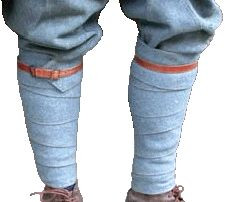
- Trousers & Puttees: Wool trousers paired with puttees—long strips of cloth wrapped around the lower legs—helped prevent mud and water seepage.
- Headgear: Initially the peaked SD cap; later, the iconic Brodie steel helmet (introduced in 1915) became standard for protection.
- Equipment & Webbing: The 1908 Pattern Web Equipment was standard, including pouches for ammunition, water bottle, entrenching tool, and haversack. Later innovations like gas mask satchels added vital protection.
- Boots: Heavy ammunition boots with hobnails for durability.
H2: WW1 British Officer Uniform – How It Differed from the Soldier’s Attire
An officer’s uniform was not only a mark of rank but also reflected social class expectations of the time. Officers were generally required to purchase their own clothing, which often meant higher-quality, tailor-made garments.
Key Distinctions in Officer Uniforms:
- Material: Officers’ uniforms were of finer wool and custom-tailored.
- Rank Badges: Unlike enlisted soldiers with brass numerals, officers wore cuff insignia or shoulder insignia indicating rank.
- Sam Browne Belt: A cross-strap leather belt worn over the tunic, distinctive to officers.
- Headgear: Officers often wore service caps with a stiff crown, giving a more authoritative appearance.
- Sidearms: While enlisted carried rifles, officers usually carried revolvers, symbolizing command responsibility.
H2: Actionable Steps for Collectors and Enthusiasts
Are you thinking of acquiring a world war 1 British uniform for sale or starting a collection? Here are some actionable tips to keep in mind:
H3: Step 1 – Research Before You Buy
- Learn the difference between originals, reproductions, and replicas.
- Check reliable resources: military history books, museums, and reenactment groups.
- Use trusted collector forums and communities for advice.
H3: Step 2 – Decide on Your Focus
- Original Uniforms: Highly collectible but expensive, fragile, and rare.
- Reproduction Uniforms: Affordable and practical for reenactments.
- Custom Replicas: A balance—accurate reproductions tailored for display or events.
H3: Step 3 – Buy from Reputable Sellers
- Look for specialists who deal in First World War uniforms and gear.
- Ask for certificates of authenticity for original items.
- Beware of online deals that look “too good to be true”—common pitfall in uniform collecting.
H2: Modern Uses and Current Trends Around WW1 British Uniforms
Far from being just museum pieces, British WW1 uniforms have modern relevance.
Reenactment Communities
Historical reenactments of WW1 battles are increasingly popular, especially around centenary events. Authentic WW1 British officer uniforms and soldier attire are essential for accuracy.
Film & Television
Many productions require historically accurate costumes. Collectors and reenactors often rent or contribute uniforms for film use.
Collecting as an Investment
Rare original uniforms have risen in value. A well-preserved tunic or complete set of equipment could fetch thousands at auction. This has created a trend of serious collectors treating uniforms as long-term investments.
Educational Displays
Museums and schools often use reproduction uniforms for hands-on history sessions—making the past tangible for students.
H2: Common Pitfalls to Avoid When Exploring WW1 British Uniforms
- Confusing WW1 with WW2 Designs: Subtle differences—such as helmet shapes and insignia—are often overlooked. Double-check before purchasing.
- Ignoring Condition: Even genuine items may be moth-eaten or heavily degraded. Preservation should be factored into cost.
- Overpaying for Reproductions: Some sellers inflate prices on modern reproductions—know the fair market value.
- Not Considering Storage: Wool uniforms require careful storage to avoid moth damage. Always use acid-free boxes and moth repellents.
H2: Step-by-Step Guide for Beginners Interested in British WW1 Uniforms
- Start Small: Begin with affordable items like cap badges or reproduction puttees.
- Learn the Terminology: Understanding pattern years (1902 SD, 1914, 1917) helps navigate authenticity.
- Set a Budget: Originals can run into thousands, so plan realistically.
- Connect with Communities: Join WW1 historical groups or attend reenactment events to network.
- Preserve What You Buy: Store properly, keep uniforms out of direct sunlight, and handle with gloves.
Conclusion
The WW1 British uniform is far more than just wool and khaki—it’s a symbol of sacrifice, resilience, and adaptation in the face of modern warfare. From the basic soldier’s service dress to the distinctive WW1 British officer uniform, every detail tells a story of history.
For collectors and enthusiasts, knowing authentic features, avoiding common pitfalls, and understanding modern trends can make your journey into First World War uniforms deeply rewarding. Whether you’re buying world war 1 British uniforms for sale or simply studying their design, paying attention to detail ensures you honor the legacy of those who wore them.
Are you ready to begin exploring the world of the British WW1 uniform? Start small, keep learning, and perhaps someday, you’ll own a piece of living history.
REQUISITION RELATED GEAR
EXPLORE MORE FIELD REPORTS
Browse all published guides and history articles.
